
28 Aircraft Destroyed at Khartoum Airport Since Sudan Conflict Began

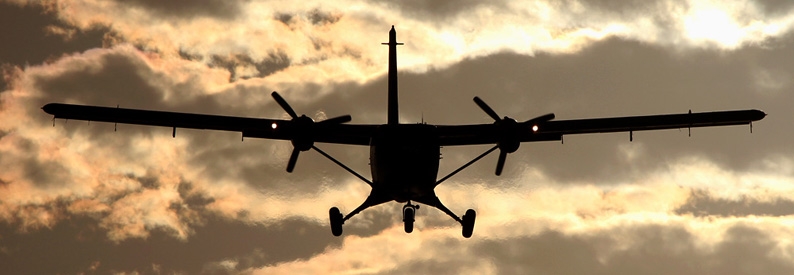
At least 28 aircraft have been destroyed at Khartoum International Airport since mid-April 2023, highlighting the extensive damage inflicted on Sudan’s aviation infrastructure during the country’s ongoing conflict. Aviation sources cited by Sudan Tribune say the losses include a mix of passenger and cargo aircraft belonging to both Sudanese operators and foreign carriers.
The destruction has largely been attributed to repeated attacks during fighting between the Rapid Support Forces and the Sudanese Armed Forces, which erupted into open conflict in April 2023. Aircraft parked on the apron or stored at airport facilities were reportedly struck by shelling, fires, and secondary explosions as hostilities spread across the Sudanese capital.
Khartoum International Airport, once the country’s main international gateway, has remained closed since the outbreak of violence. Before the conflict, the airport handled millions of passengers annually and served as a critical hub for humanitarian flights, regional connections, and long-haul services linking Sudan to the Middle East, Africa, and Europe. Its prolonged closure has severely disrupted both civilian travel and aid operations.
The destroyed aircraft reportedly include narrowbody jets, turboprops, and freighters, with damage ranging from complete burnouts to structural destruction rendering the aircraft beyond economic repair. In several cases, the aircraft had been grounded due to airspace closures when fighting began, leaving them exposed on the tarmac as clashes intensified around the airport perimeter.
Sudanese authorities have periodically announced plans to rehabilitate and reopen Khartoum International Airport, with January 2026 most recently cited as a potential target. However, continuing insecurity, extensive infrastructure damage, and the absence of a lasting ceasefire have so far prevented any meaningful progress toward reopening. Runways, terminal buildings, navigation aids, and fuel storage facilities are all believed to have sustained varying degrees of damage.
The loss of 28 aircraft represents not only a significant financial blow to airlines and lessors but also a long-term setback for Sudan’s already fragile aviation sector. Replacing the destroyed aircraft would require substantial capital investment, while restoring airport operations would depend on broader political stability and international support.
Industry observers note that even if fighting subsides, reopening Khartoum International Airport will be a complex, multi-year process involving debris removal, safety inspections, regulatory recertification, and the rebuilding of air traffic control and ground handling capabilities. Until then, Sudan’s air connectivity is expected to remain severely constrained, with most international flights operating only to a limited number of alternative airports outside the capital.
Related News: https://airguide.info/category/air-travel-business/airline-finance/
Sources: AirGuide Business airguide.info, bing.com, ch-aviation.com