
4 Secret Phrases Flight Crews Use to Signal Emergencies

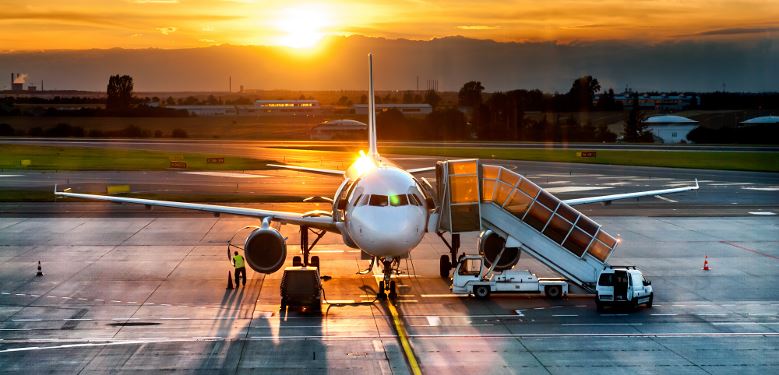
Airline pilots and flight crews rely on a range of coded phrases and subtle signals to communicate emergencies during a flight without alarming passengers. While frequent flyers may occasionally hear unusual terms or announcements, aviation experts say these words are often used internally by crew members to discreetly coordinate responses to medical or safety situations onboard.
Different industries rely on specialized terminology to communicate quickly and efficiently, and aviation is no exception. On commercial flights, crew members sometimes use coded language to signal issues ranging from minor medical incidents to more serious onboard emergencies.
One phrase occasionally reported by aviation insiders is “Code 300,” which can refer to a situation involving a deceased passenger on board. Another term sometimes mentioned is “Angel,” which may also be used in certain cases to discreetly indicate that a passenger has died during the flight. Experts note that these phrases are not universally standardized across airlines, and their meaning can vary depending on the carrier’s internal procedures.
Jason Martinelli, director of operations at Cirrus Aviation Services, explained that terms such as “Code 300” or “Angel” are sometimes used to signal a serious medical emergency involving an incapacitated or unresponsive passenger. However, he emphasized that airlines often develop their own terminology and operational guidelines for these situations.
While medical emergency procedures are broadly consistent across global aviation, the specific phrases used by crews can differ significantly. As a result, passengers might hear certain codes on one airline that are not used by another.
Other coded expressions occasionally referenced in aviation discussions include “Code Yellow,” which may indicate a minor medical issue that requires attention but is not immediately life-threatening. Another internationally recognized phrase is “Pan-Pan,” a radio call used by pilots to signal an urgent situation that is serious but not yet considered a full emergency.
Some aviation insiders also mention informal crew slang used in the cabin. One example is the term “Mermaid,” sometimes used humorously by crew members to describe passengers who stretch across multiple empty seats in an attempt to claim an entire row.
Experts say the main reason for using coded language is to prevent unnecessary concern among passengers. Announcing a medical emergency directly over the cabin’s public address system could create panic, confusion, or crowding in the aisles. By communicating discreetly, crew members can coordinate assistance while maintaining calm inside the cabin.
Veteran pilot David Cox, director of Acron Aviation Academy, notes that many airlines do not rely heavily on spoken codes over the public address system. Instead, flight crews often use other signals to communicate internally.
Pilots frequently rely on chime patterns to notify cabin crew of specific situations. Passengers regularly hear these chimes when an aircraft climbs above 10,000 feet, during descent, or when the seatbelt sign is activated. In some cases, multiple chimes may be used to signal a more urgent situation that requires immediate attention from the cabin crew.
Flight crews may also use specific knock sequences on the cockpit door to communicate with pilots during a flight. These signals allow the cabin crew and cockpit team to exchange information quickly while maintaining security and minimizing disruption inside the aircraft cabin.
Related News: https://airguide.info/category/air-travel-business/travel-health-security/, https://airguide.info/category/magazineonline/airlines/airline-in-flight-services/
Sources: AirGuide Business airguide.info, bing.com, travelandleisure.com