
Global Airlines Rush to Fix A320s After Solar Radiation Alert

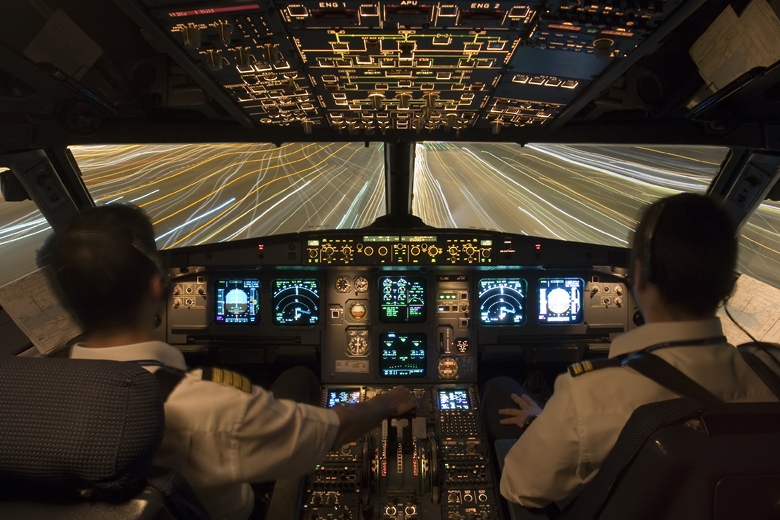
Airlines around the world are racing to complete emergency repairs on thousands of Airbus A320-family aircraft after the manufacturer warned that intense solar radiation could corrupt critical flight-control data and potentially cause pilots to lose control. The unprecedented directive affects roughly 6,000 A319, A320, and A321 aircraft—the most widely used single-aisle jets in global commercial aviation.
The safety alert was issued after Airbus analyzed a mid-air incident involving JetBlue Flight 1230 on October 30. The A320, flying from Cancun to Newark, suddenly dropped in altitude, injuring about 15 people before the crew diverted and landed safely in Tampa. Engineers later determined that a rare but severe solar-radiation event may have corrupted data in the aircraft’s fly-by-wire control system, prompting Airbus to order immediate software changes across the worldwide fleet.
In an Alert Operators Transmission issued Friday, Airbus said: “Analysis of a recent event involving an A320 Family aircraft has revealed that intense solar radiation may corrupt data critical to the functioning of flight controls.” The company added that, although this was the only known occurrence, it worked closely with regulators to take “proactive, precautionary action” to ensure global fleet safety.
Most aircraft can be repaired in two to three hours by reverting to an earlier version of flight-control software. The European Union Aviation Safety Agency mandated the fix through an emergency airworthiness directive, and the U.S. FAA is preparing similar instructions. For about 900 older A320-family jets, the issue is more complex and will require new hardware to be installed.
Despite the sweeping recall—one of the largest in Airbus history—airlines have so far avoided major disruptions. Many carriers accelerated work through the weekend, even as the directive arrived during peak travel for the U.S. Thanksgiving holiday.
American Airlines said it completed updates on nearly all its affected aircraft by Saturday and expected no ongoing operational disruption. Delta Air Lines reported that fewer than 50 of its A321neos required the fix and said it anticipated “limited” impact. United Airlines later confirmed that six of its aircraft were affected, noting “minor disruption to a few flights.”
JetBlue, whose aircraft was involved in the triggering incident, said it has already begun repairs across its fleet of A320s and A321s and is working to minimize delays. Frontier Airlines and Allegiant Air said they are evaluating the notice and preparing updates, while Spirit Airlines has not yet commented.
Outside the United States, airlines in Europe, Asia, and the Pacific also moved quickly. Jetstar Airways in Australia said 34 of its 85 A320-family jets were affected and that approximately 90 flights had been canceled, with further disruptions possible through Sunday. Air New Zealand, IndiGo, and Air India Express also confirmed they expect to complete repairs by the weekend. In Europe, Lufthansa, British Airways, Aer Lingus, EasyJet, and Wizz Air all acknowledged their aircraft were affected but reported minimal operational changes.
Airbus said Monday that the “vast majority” of the roughly 6,000 impacted jets have now been updated, with fewer than 100 still awaiting work. Industry sources said the alert’s broad wording initially caused confusion because it did not include specific serial numbers, prompting airlines to scramble to identify affected aircraft. Engineers later confirmed that the fix involves uploading the earlier software version via a secure data-loader device brought into the cockpit to avoid cybersecurity risks.
Some older A320-family jets may require a full computer replacement rather than a simple software rollback. Early estimates suggested nearly 1,000 aircraft might need hardware changes, but that figure has since been revised downward.
The episode marks the most intense global safety scrutiny Airbus has faced recently, and the company has publicly taken a more transparent tone. Airbus CEO Guillaume Faury apologized for the disruption, while analysts noted the company’s evident desire to avoid the perception of delay or secrecy seen in past industry crises.
As airlines finish the last wave of updates, global operations are returning to normal. Even so, the incident highlights how rare environmental factors—such as solar flares—can expose unexpected vulnerabilities in modern aviation systems, prompting rapid, coordinated action across the industry to keep passengers safe.
Related News: https://airguide.info/?s=airbus+a320, https://airguide.info/category/air-travel-business/travel-health-security/
Sources: AirGuide Business airguide.info, bing.com, yahoo.com, nbcnews.com