
US Officials Suspect Cover-Up in Air India Crash Investigation

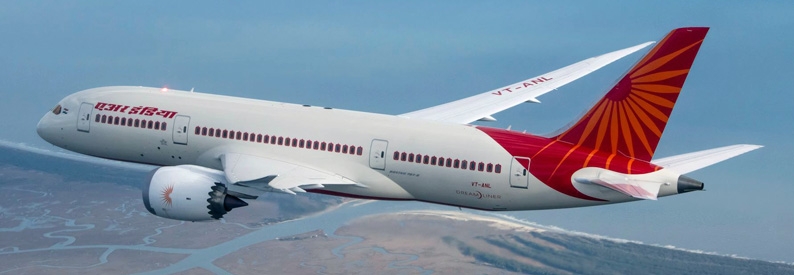
US investigators fear Indian authorities may be attempting to conceal key findings in the probe of the Air India Flight 171 disaster, which killed 260 people in June. The Boeing Dreamliner crashed seconds after takeoff from Ahmedabad, killing 241 passengers and crew as well as 19 people on the ground. Only one passenger survived.
According to The Wall Street Journal, US officials believe evidence from the aircraft’s black box points to a deliberate act by Captain Sumeet Sabharwal. Data downloaded from the flight recorders allegedly shows that someone in the cockpit moved switches to cut off fuel to the engines moments before impact. Investigators also say the captain did not attempt to raise the aircraft’s nose, behavior inconsistent with responding to a mechanical malfunction.
US officials reportedly fear Indian authorities may try to shift blame onto mechanical issues with the aircraft rather than acknowledge the possibility of pilot action. Indian experts, however, argue that the US is too focused on implicating the crew and ignoring potential flaws in American-built aircraft. No Boeing 787 Dreamliner has ever been involved in a fatal crash before.
India’s Supreme Court earlier this month ruled that Sabharwal was not responsible for the tragedy. His father has said the pilot is the victim of “character assassination,” citing his “unblemished 30-year career.”
The joint US–India investigation—required because the aircraft was manufactured in the United States—has been strained by distrust between the two sides. According to sources familiar with the process, GVG Yugandhar, head of India’s Aircraft Accident Investigation Bureau, told US officials that India was “not a third world country” and was fully capable of conducting a modern investigation.
American investigators claim they were blocked from photographing wreckage, some of which had been moved before their arrival. US specialists also say they were barred from accompanying Indian authorities to a remote laboratory where flight-data and cockpit-voice recorders were initially slated to be analyzed.
Jennifer Homendy, chair of the US National Transportation Safety Board, reportedly raised concerns about personnel safety and the security of sensitive equipment if analysis took place in the small town of Korwa. US officials argued that the data should be processed either at a secure New Delhi facility or at NTSB headquarters in Washington.
Indian officials insisted that Korwa was better equipped and farther from media scrutiny. Ultimately, after the US threatened to withdraw from the investigation, India agreed to allow the data to be analyzed at its New Delhi laboratory instead.
The investigation remains ongoing, with significant disagreement between US and Indian authorities over both the cause of the crash and the transparency of the process.
Related News: https://airguide.info/?s=air+india, https://airguide.info/category/air-travel-business/travel-health-security/
Sources: AirGuide Business airguide.info, bing.com, wsj.com, yahoo.com