
Airbus Cuts 2025 Delivery Target After A320 Fuselage Panel Defects

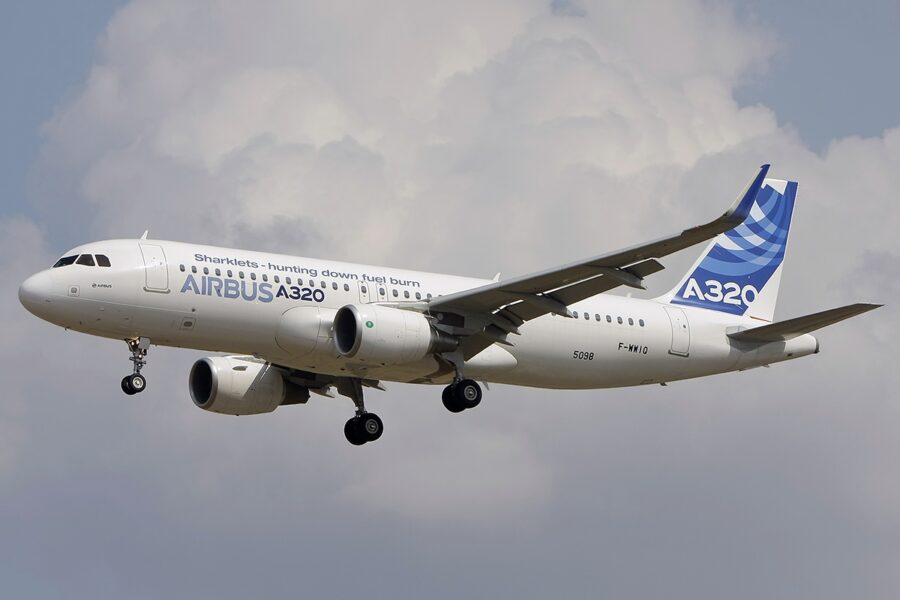
Airbus has lowered its 2025 aircraft delivery target from 820 to 790 units after identifying defective fuselage panels on a portion of its A320-family jets. The issue—linked to supplier quality lapses—has forced inspections across hundreds of aircraft and disrupted the manufacturer’s production flow during the busiest delivery window of the year.
Airbus announced on December 3, 2025, that it had revised its delivery guidance due to fuselage panel defects traced to Sofitec Aero in Seville. The affected panels were found to have incorrect thickness—too thick or too thin—after the machining and manufacturing process. The flaw impacts forward and rear fuselage sections on select A320-family aircraft.
According to internal presentations reviewed by Reuters, 628 aircraft have been flagged for inspection, including 168 already in service and more than 240 currently moving through assembly lines. While Airbus emphasized that only a limited number of panels are affected, the discovery has added significant friction to production during a critical end-of-year period.
Delivery Impact
- Original 2025 target: ~820 aircraft
- Revised 2025 target: ~790 aircraft
- Reduction: ~30 aircraft due to inspection and rework delays
Despite the setback, Airbus said its overall financial outlook remains unchanged, indicating the company does not expect the issue to materially affect profitability.
Technical and Operational Challenges
- Inspection & Repair: Aircraft identified with suspect panels may require three to five weeks of rework, according to industry estimates.
- Production Disruption: The defect adds further pressure to Airbus’s strained supply chain, which is already working to accelerate narrowbody output amid high global demand.
- Safety Assurance: Airbus stressed that all new fuselage panels now meet specifications, and the defect does not compromise the safety of aircraft already delivered to airlines.
Broader Industry Context
The announcement comes shortly after Airbus disclosed a separate issue affecting the A320 production line, heightening concerns about supply-chain oversight and quality control. The A320 family remains Airbus’s best-selling jet and a core component of airline fleets worldwide. Any slowdown in its production carries significant implications for carriers relying on new aircraft to support capacity growth.
Airbus’s decision to reduce its 2025 delivery target underscores the vulnerability of aerospace supply chains and the critical role of rigorous quality assurance. Although Airbus maintains confidence in its financial outlook and insists the defect is contained, the need to inspect hundreds of aircraft illustrates the scale of the disruption. For airlines waiting on new A320-family jets, the delays may extend into 2026, affecting fleet planning, scheduling, and growth strategies.
Related News: https://airguide.info/?s=airbus+A320
Sources: AirGuide Business airguide.info, bing.com