
Malaysia Airlines Flight 370: What to Know as the Search Resumes After a Decade

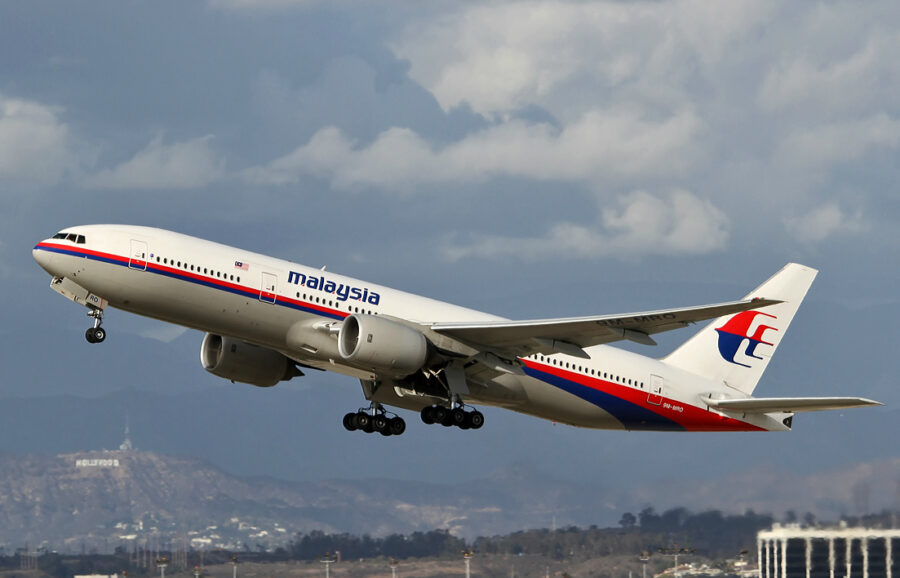
More than ten years after Malaysia Airlines Flight 370 vanished without a trace, the world’s most perplexing aviation mystery is once again back in the spotlight. Malaysia’s government confirmed that American marine robotics company Ocean Infinity will restart a deep-sea search for the missing aircraft on December 30, renewing hope that the Boeing 777 — and answers for its 239 passengers and crew — may finally be found.
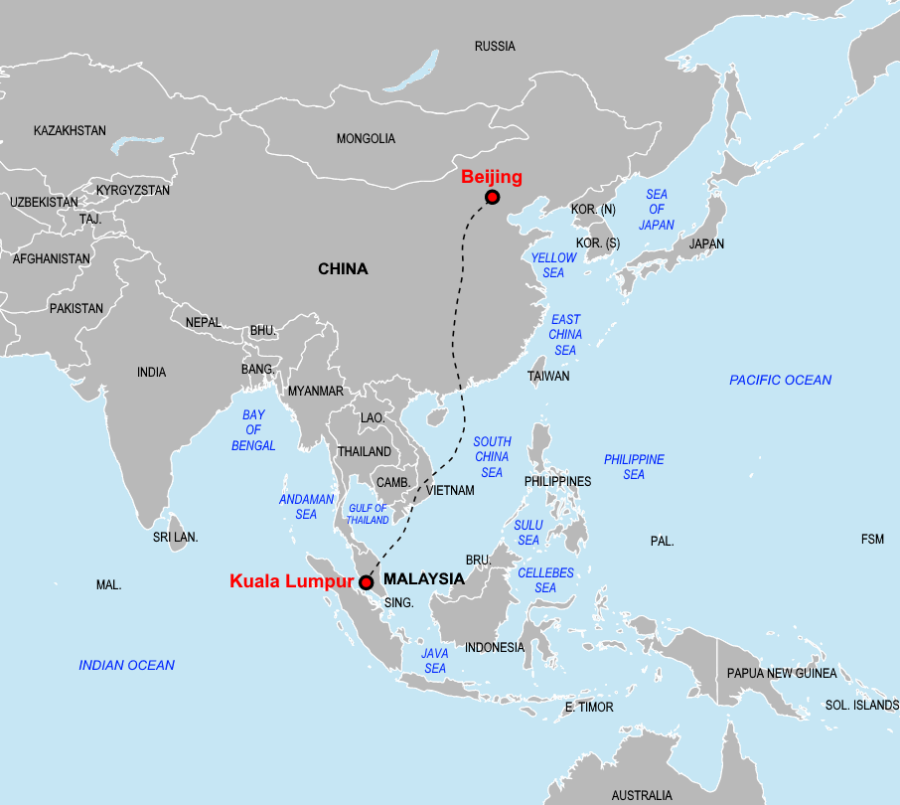
MH370 disappeared on March 8, 2014, during a routine overnight flight from Kuala Lumpur to Beijing. Despite an unprecedented, multinational search effort that spanned nearly three years and the largest underwater recovery operation in aviation history, investigators still do not know exactly what happened to the aircraft or where it ultimately crashed. Only small pieces of debris, discovered along the African coast and on Indian Ocean islands, have ever been recovered.
The Final Moments: “Good night, Malaysian Three Seven Zero”
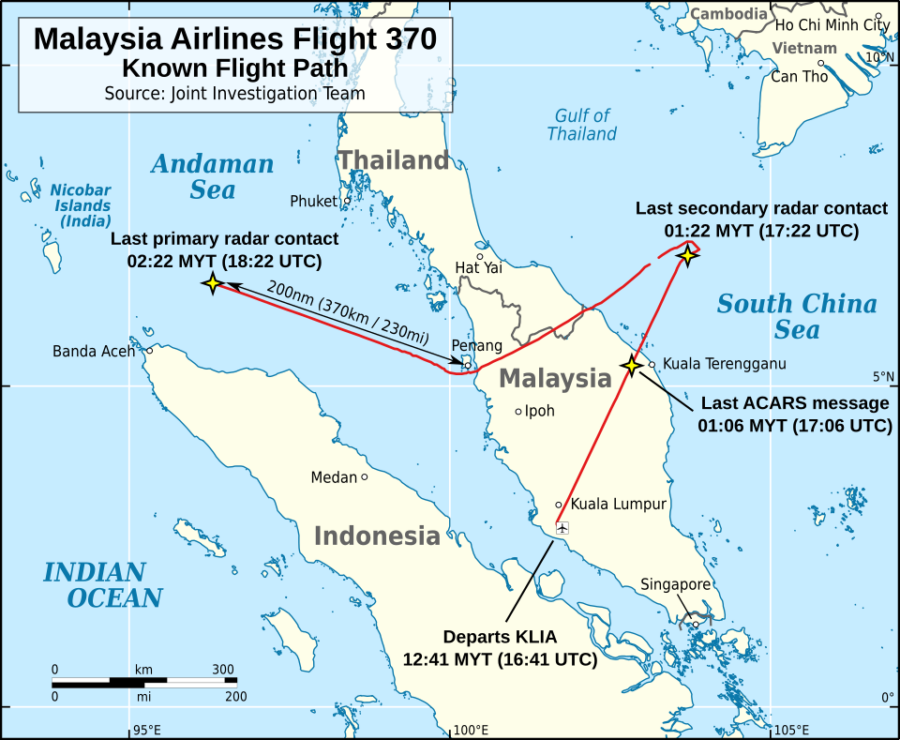
The Boeing 777 left Kuala Lumpur just after midnight. About 39 minutes into the flight, the captain delivered his final radio transmission: “Good night, Malaysian Three Seven Zero.” Moments later, the aircraft failed to check in with Vietnamese air traffic controllers, and its transponder — which broadcasts location and altitude — was switched off.
Military radar later revealed the aircraft had turned back across the Malay Peninsula and flew over the Andaman Sea. Satellite data indicated MH370 continued flying for several hours, possibly until running out of fuel, before descending into a remote stretch of the southern Indian Ocean. No distress call, weather anomaly, or ransom demand was ever recorded. Malaysian investigators cleared all passengers and crew in 2018 but said the possibility of “unlawful interference” could not be ruled out. Authorities have suggested that someone on board deliberately disabled communications and diverted the aircraft.
Passengers From Around the World
The 239 people on board included 227 passengers and 12 crew representing more than a dozen countries. Most were Chinese nationals, but the flight also included travelers from the United States, France, Russia, Indonesia, Iran, and Australia. Among the passengers were two young Iranians traveling on stolen passports, 20 Freescale Semiconductor employees, a Jet Li stunt double, Chinese calligraphy artists, and multiple families with young children — many of whom lost several relatives in the tragedy.
The Largest Underwater Search in History
The search for MH370 began in the South China Sea but quickly expanded as radar and satellite data pointed toward the Indian Ocean. Australia, China, and Malaysia oversaw a search zone measuring 120,000 square kilometers (46,000 square miles), using sonar-equipped ships, aircraft, and robotic submarines. Despite initial optimism — including acoustic signals initially believed to be from the plane’s black boxes — no wreckage was located.
The first confirmed debris was discovered more than a year later: a flaperon found on Réunion Island in July 2015. Additional pieces surfaced on the coasts of Mozambique, Madagascar, South Africa, and Mauritius. Yet the main fuselage, flight recorders, and bodies of the passengers remain missing. The official search was suspended in January 2017.
Ocean Infinity resumed the hunt in 2018 under a “no find, no fee” arrangement, exploring areas identified by drift analysis. That effort, too, ended without success.
A New Search Begins and Why the Search Is So Difficult
Locating MH370 is exceptionally challenging because there is no definitive crash site. The southern Indian Ocean is vast, with unpredictable currents, severe weather, and an average depth of 4 kilometers (2.5 miles). Few aircraft have ever disappeared in such remote deep-ocean waters, and even fewer have been successfully recovered.
Malaysia approved a renewed “no-find, no-fee” contract with Ocean Infinity for a targeted 15,000-square-kilometer (5,800-square-mile) area where experts believe the aircraft is most likely located. The company will be paid $70 million only if it finds the wreckage. Although the search was briefly suspended due to bad weather, operations will resume intermittently from December 30 for a total of 55 days.
Ocean Infinity has not confirmed whether new evidence has emerged but said it will deploy advanced technology and refined data models to focus on the most promising sites.
After nearly 11 years of uncertainty, families and investigators hope this renewed effort may finally unlock the truth behind MH370 — and bring closure to one of aviation’s greatest mysteries.
Related News: https://airguide.info/?s=Malaysia+Airlines, https://airguide.info/?s=MH370, https://airguide.info/category/air-travel-business/travel-health-security/
Sources: AirGuide Business airguide.info, bing.com, cbsnews.com, bbc.com