
The Evolution of Aircraft Cabins: How Design, Comfort, and Innovation Took Flight

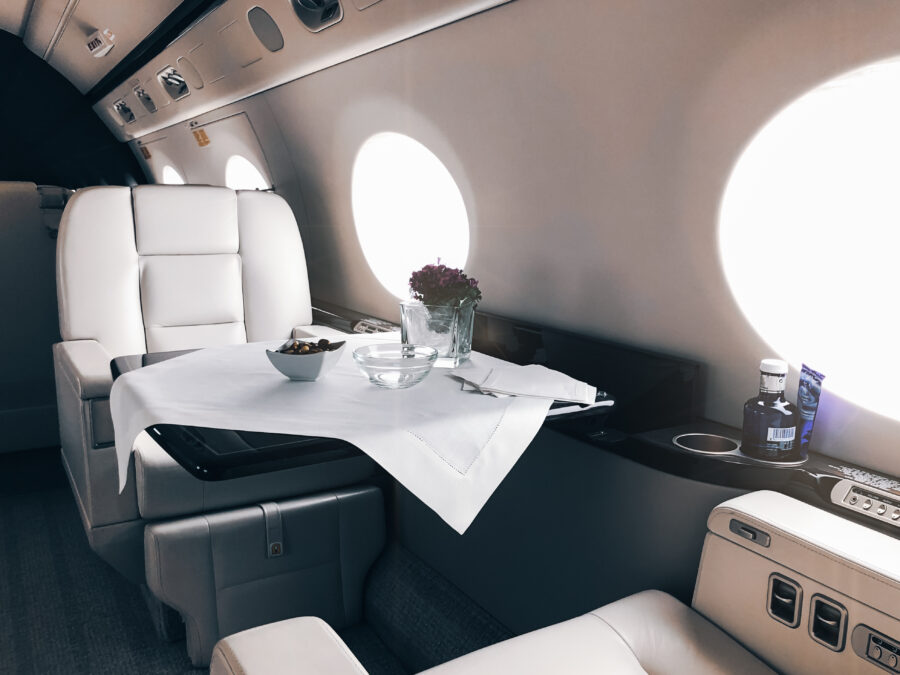
The evolution of aircraft cabins mirrors the evolution of air travel itself. What began as basic, utilitarian spaces designed simply to move passengers from point A to point B has transformed into a highly sophisticated environment shaped by technology, passenger expectations, branding, and sustainability. Cabin design today is no longer an afterthought—it is a core competitive advantage for airlines and a defining part of the passenger experience.
From the earliest days of commercial aviation to today’s digitally connected interiors, aircraft cabins have continually adapted to social trends, economic realities, and technological breakthroughs. Understanding how these spaces evolved offers insight into where aviation is heading next.
Related: Jetliner Cabins
The Evolution of Aircraft Cabins: Early Days, Function Over Comfort
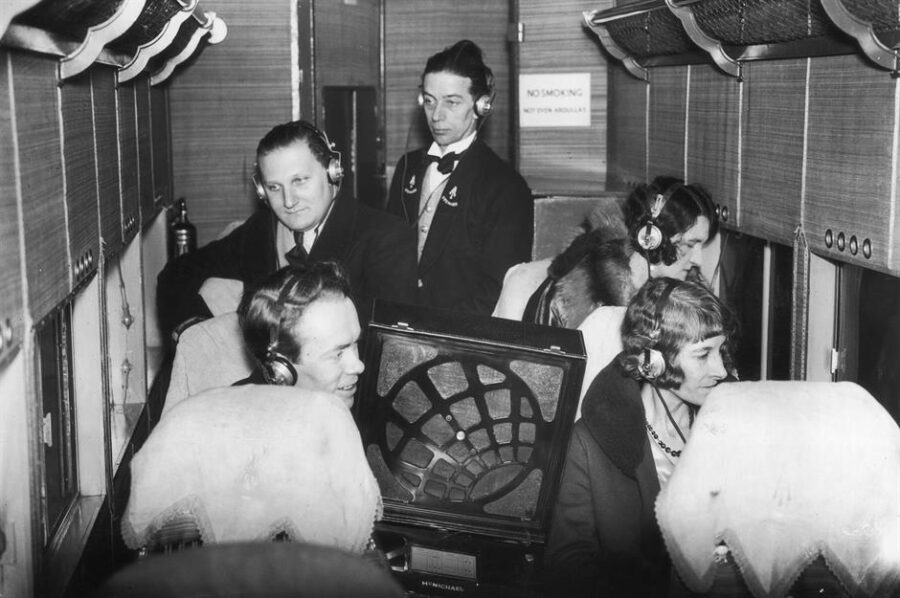
In the early 20th century, aircraft cabins were spartan and often uncomfortable. During the 1920s and 1930s, passengers sat in narrow, unpressurized cabins with limited insulation, minimal seating, and little protection from noise or cold.
Seats resembled modified automobile chairs, windows were small, and flights were short, loud, and physically demanding. Safety and mechanical reliability were the primary concerns—comfort was secondary. Cabin layouts reflected this reality, prioritizing weight reduction and structural efficiency over passenger experience.
Still, even in these early years, airlines recognized that cabins played a role in attracting travelers. Upholstery, curtains, and basic amenities slowly appeared, marking the first steps in the evolution of aircraft cabins as more than just transportation shells.
The Jet Age Revolution: Space, Style, and Speed
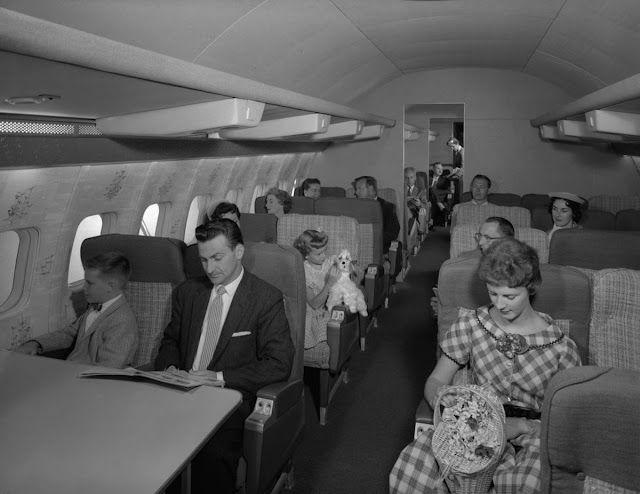
The arrival of commercial jet aircraft in the 1950s dramatically changed aircraft cabin design. Jets like the Boeing 707 and Douglas DC-8 allowed airlines to fly longer distances faster, creating a new need for comfort, service, and differentiation.
Cabins became pressurized, quieter, and more spacious. Airlines introduced wider seats, improved lighting, overhead bins, and in-flight meals served by dedicated cabin crews. This era also marked the rise of airline branding through interior design, with distinct color schemes, fabrics, and layouts reflecting national identity and corporate image.
The jet age established a key principle that still defines the evolution of aircraft cabins today: passenger comfort is inseparable from commercial success.
Widebody Aircraft and the Golden Age of Cabin Design
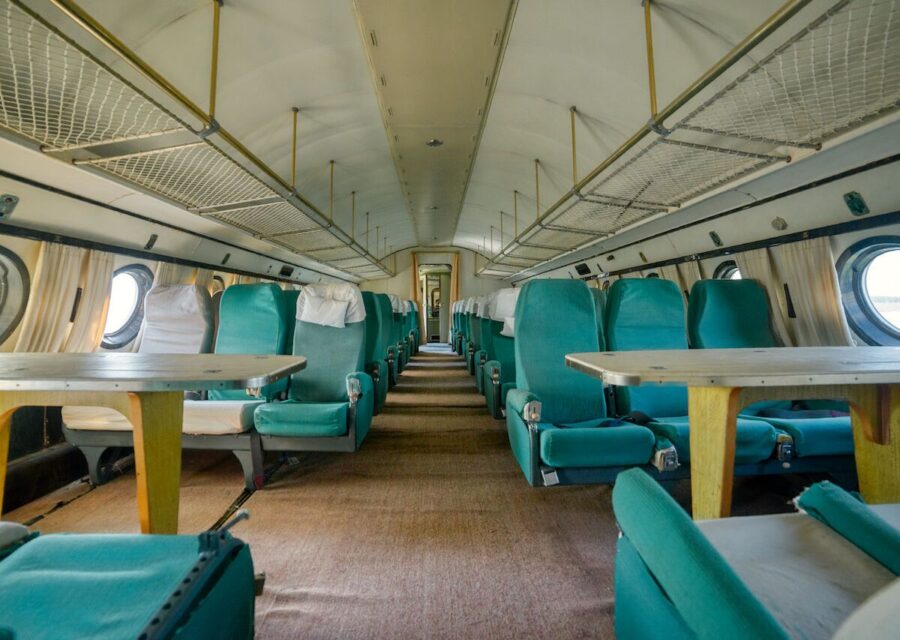
The introduction of widebody aircraft in the late 1960s and 1970s—most notably the Boeing 747—ushered in what many consider the golden age of cabin design. For the first time, airlines had the space to experiment.
Upper-deck lounges, onboard bars, spiral staircases, and expansive first-class seating became symbols of luxury. Cabin interiors reflected a hospitality mindset rather than a purely transportation-focused one.
This period also saw the emergence of distinct travel classes—first, business, and economy—each with tailored layouts, services, and design philosophies. The idea that different passengers required different cabin experiences became firmly embedded in aircraft interior planning.
Efficiency and Density: Cabin Design in the Deregulation Era
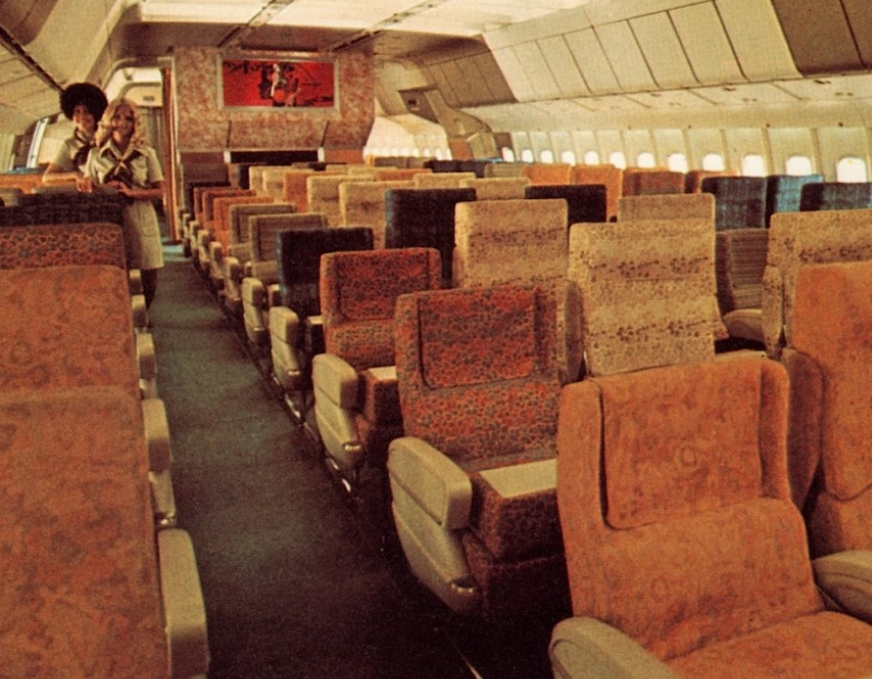
As airline deregulation reshaped the industry in the late 1970s and 1980s, cost efficiency became a dominant force in cabin design. Airlines sought ways to maximize revenue while maintaining acceptable comfort levels.
Economy cabins became denser, seat pitch tightened, and standardized layouts replaced more experimental designs. At the same time, business class evolved as airlines competed for corporate travelers, offering improved seating, quieter cabins, and premium service.
This era highlights a recurring theme in the evolution of aircraft cabins: the constant balancing act between passenger comfort, operational efficiency, and profitability.
The Rise of Technology in Aircraft Cabins
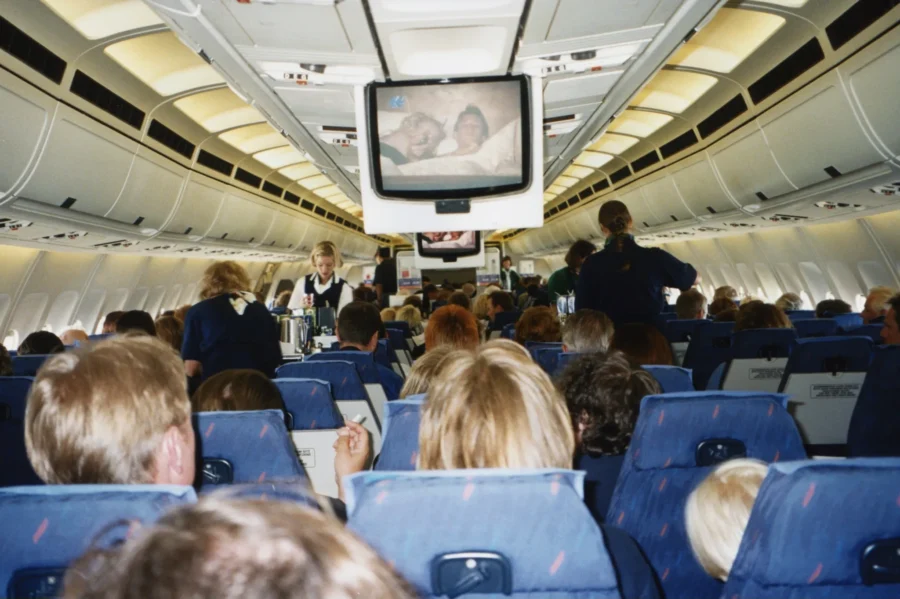
From the 1990s onward, technology began reshaping aircraft interiors in visible ways. In-flight entertainment systems, enhanced seat design.
Cabins increasingly functioned as connected digital environments, reflecting broader consumer expectations shaped by smartphones and on-demand technology. These developments pushed aircraft cabin design into the realm of user experience design, not just industrial engineering.
Passenger Experience Takes Center Stage
In recent decades, the passenger experience has become one of the most important drivers of cabin innovation. Airlines now understand that comfort, privacy, and emotional well-being influence brand perception and loyalty.
Key developments include:
- Fully flat beds in business and first class
- Privacy doors and suite-style seating
- Improved seat ergonomics in economy cabins
- Noise reduction and better insulation
- Mood lighting designed to reduce fatigue
These features show how the evolution of aircraft cabins increasingly centers on how passengers feel—not just how efficiently they are transported.
Sustainability and Materials Innovation
Sustainability is now one of the most influential forces shaping aircraft cabin design. Airlines and manufacturers are rethinking materials, production methods, and lifecycle impact.
Lightweight composites reduce fuel burn, while recycled and bio-based materials lower environmental impact. Modular cabin components allow faster refurbishment and less waste, extending the usable life of aircraft interiors.
Cabins are also being designed with maintenance efficiency in mind, reducing downtime and improving long-term operational sustainability. These changes reflect a broader industry shift toward responsible aviation without sacrificing comfort or performance.
The Future of Aircraft Cabins
Looking ahead, aircraft cabins are poised to become even more adaptive, personalized, and intelligent. Emerging trends include:
- AI-driven personalization of lighting and seating preferences
- Smart cabins that adjust temperature and airflow dynamically
- Greater cabin flexibility for mixed-use layouts
- Designs optimized for alternative-fuel and electric aircraft
- Enhanced accessibility and inclusive design
The future cabin will not be static. It will respond to passenger needs in real time, blending technology with human-centered design.
Documenting the Past, Defining the Future
At the center of this conversation is JETLINER CABINS, the most comprehensive digital guide to aircraft interior design and innovation. Written by renowned cabin interiors expert Jennifer Coutts Clay, JETLINER CABINS stands as the first and only fully researched study of commercial jetliner cabins.
With more than 7,000 images, 400+ aviation references, and decades of industry insight, JETLINER CABINS traces the evolution of aircraft cabins from the earliest jet age to today’s most advanced interiors. It offers rare behind-the-scenes perspectives on how design decisions are made—and why they matter.
Beyond history, the guide explores the future of cabin design, highlighting emerging technologies, sustainability initiatives, and next-generation passenger experience concepts shaping global aviation.
Sources: AirGuide Business airguide.info, bing.com, Jetliner Cabins
Related content: American Airlines Modernizes Regional Jets with New Cabins
Subscribe to our newsletter!