
Dreamliner Demand Lifts Boeing Ahead of Airbus in Order Race

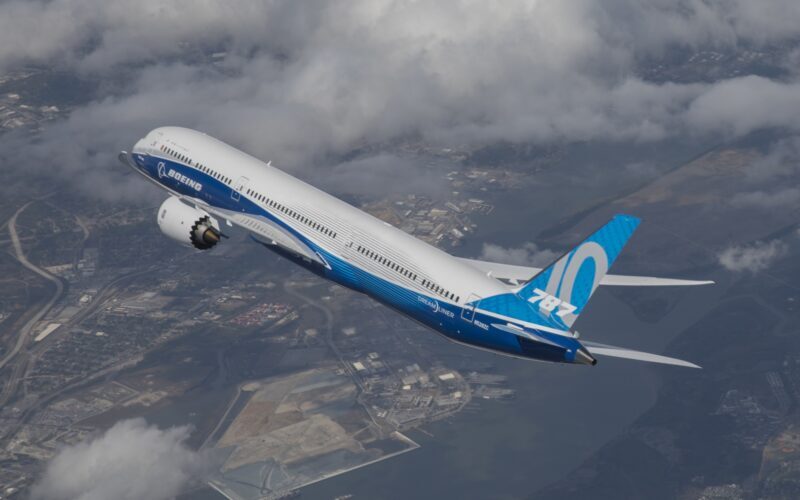
Strong airline demand for Boeing’s 787 Dreamliner is pushing the U.S. manufacturer ahead of Airbus in the annual aircraft order race, according to Airbus chief executive officer Guillaume Faury. While Airbus continues to lead in total deliveries and overall backlog, Faury has acknowledged that Boeing is likely to secure more net orders this year, largely driven by renewed interest in widebody aircraft and shifting geopolitical dynamics.
At the center of Boeing’s momentum is the 787 Dreamliner family, which has seen a surge in demand from airlines looking to modernize long-haul fleets with more fuel-efficient, long-range aircraft. As international travel continues to recover and premium demand strengthens, carriers are increasingly prioritizing widebodies that offer flexibility across both long-haul and medium-haul routes. The Dreamliner’s lower operating costs, extended range, and passenger-friendly cabin features have made it a preferred choice for fleet renewal.
Faury also pointed to the influence of U.S. trade policy in shaping airline purchasing decisions. Support from the Trump administration in addressing long-running trade disputes and tariff-related tensions has helped improve Boeing’s competitive position in key markets. Reduced uncertainty around tariffs can play a significant role in large aircraft deals, which often involve long-term financial planning and government-backed financing arrangements.
Despite Boeing’s expected lead in orders, Airbus remains in a strong strategic position. The European manufacturer continues to outpace Boeing in aircraft deliveries, reflecting its higher production stability in recent years. Airbus also maintains a larger overall backlog, providing long-term visibility and resilience even as annual order totals fluctuate.
The contrast highlights a broader divergence in market dynamics. Boeing’s strength is currently concentrated in the widebody segment, particularly with the 787, while Airbus continues to dominate narrowbody sales through the A320neo family. However, with long-haul travel rebounding and airlines reassessing capacity needs, widebody demand is playing a more prominent role in shaping annual order tallies.
Faury emphasized that yearly order competitions can be volatile and are not the sole measure of an aircraft manufacturer’s health. Deliveries, backlog quality, and production capability remain critical indicators of long-term performance. Even so, the renewed competition underscores how shifts in airline strategy, geopolitics, and global trade policy can quickly alter the balance between the two aerospace giants.
As airlines continue to place orders aligned with post-pandemic travel patterns, Boeing’s Dreamliner-led resurgence signals a rebalancing in the widebody market. Meanwhile, Airbus is expected to focus on maintaining delivery momentum and advancing production ramp-ups across its key programs, setting the stage for an increasingly competitive aircraft market in the years ahead.
Related News: https://airguide.info/category/air-travel-business/airline-finance/
Sources: AirGuide Business airguide.info, bing.com