
Delta Plans Hybrid-Electric Taxi System to Cut Fuel Use

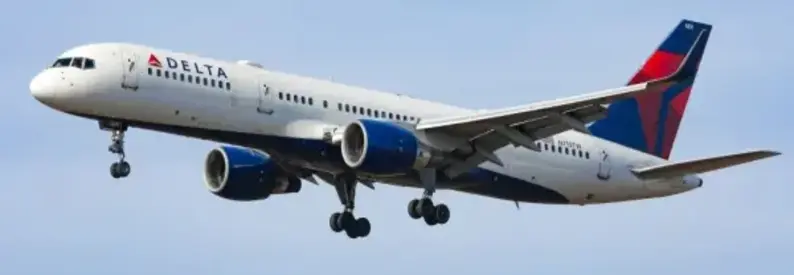
Delta Air Lines is planning to adopt a hybrid-electric aircraft taxiing system developed by Green Taxi Aerospace, in partnership with Embraer, as part of its broader push to reduce fuel consumption and emissions across its fleet. The companies are targeting supplemental type certification (STC) by 2027 for the system’s installation on Embraer E175 regional jets.
The hybrid-electric taxi system is designed to allow aircraft to move on the ground without relying on their main engines. Instead, the system uses the aircraft’s auxiliary power unit (APU) to generate electricity, which powers electric motors installed on the main landing gear. By eliminating the need to run jet engines during taxi, the technology aims to significantly cut fuel burn, carbon emissions, and noise at airports.
According to Green Taxi Aerospace, the system could reduce fuel consumption during taxi operations by up to 20%, depending on airport layout, taxi time, and operating conditions. In addition to fuel savings, the technology is expected to reduce engine wear and lower maintenance costs, while also minimizing brake usage and associated heat stress on landing gear components.
For Delta Air Lines, the project aligns with its long-term sustainability strategy, which includes investments in more efficient aircraft, sustainable aviation fuel (SAF), operational improvements, and emerging technologies. Ground operations represent a meaningful opportunity for emissions reduction, particularly at congested airports where aircraft can spend extended periods taxiing before takeoff.
The Embraer E175 has been selected as the initial platform for certification due to its widespread use in Delta’s regional network and its suitability for near-term retrofitting. If certified and deployed at scale, the system could later be adapted for additional aircraft types, expanding its impact across regional and narrowbody fleets.
Hybrid-electric taxi solutions have been explored by the aviation industry for more than a decade, but advances in electric motor efficiency, power management systems, and certification pathways have brought the technology closer to commercial reality. Airlines are increasingly viewing such systems as practical, incremental steps toward lower emissions while longer-term solutions such as hydrogen and fully electric aircraft remain in development.
If the 2027 certification timeline is met, Delta could become one of the first major U.S. carriers to deploy hybrid-electric taxi technology in regular service. The initiative underscores how airlines are combining near-term operational innovations with longer-term sustainability goals to address rising fuel costs, regulatory pressure, and growing expectations from environmentally conscious travelers.
Related News: https://airguide.info/category/air-travel-business/airline-finance/
Sources: AirGuide Business airguide.info, bing.com