
White House Pushes Airports to Add Exercise and Wellness Options

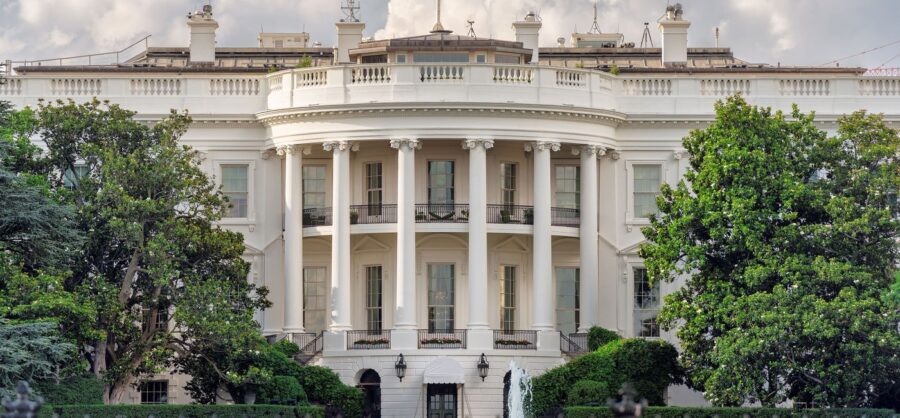
The White House is urging U.S. airports to expand exercise facilities, improve food offerings, and add more family-friendly amenities under a new USD1 billion initiative aimed at enhancing passenger health and comfort. The effort, backed by the Trump administration, is positioned as a quality-of-life upgrade rather than a regulatory overhaul.
Transportation Secretary Sean Duffy said the initiative encourages airports to rethink how terminal spaces are used, with a focus on promoting physical activity and healthier choices during travel. Suggested additions include walking paths, fitness rooms, stretching areas, and more nutritious food and beverage options alongside traditional fast-food offerings. Family-oriented features such as play areas and quiet rooms are also being promoted.
Duffy emphasized that the program does not impose new federal mandates on airport operators. Instead, it provides funding and guidance to support voluntary improvements tailored to each airport’s size, layout, and passenger mix. “This is about giving travelers better options, not telling airports how to run their operations,” he said.
The initiative reflects growing awareness of the health challenges associated with air travel, particularly long layovers, extended sitting, and limited access to nutritious meals. Airports have increasingly been viewed as wellness environments, especially as passenger dwell times increase due to congestion, security screening, and irregular operations.
Several major U.S. airports already offer wellness-focused amenities, including yoga rooms, meditation spaces, and expanded walking routes. The new funding is intended to help more airports adopt similar concepts, particularly mid-sized and regional facilities that may lack the resources to invest independently.
However, the program has drawn criticism from aviation labor groups and industry observers who argue it overlooks more pressing operational issues. Critics point to persistent staffing shortages, especially among air traffic controllers, as a more urgent concern affecting safety and efficiency across the national airspace system.
They contend that investments in infrastructure and staffing would deliver greater benefits to passengers by reducing delays and cancellations, rather than focusing on optional amenities. Some also question whether smaller airports will be able to sustain new facilities once federal funding is exhausted.
Supporters of the initiative counter that improving the passenger experience and addressing operational challenges are not mutually exclusive. They argue that airport environments have evolved beyond basic transportation hubs into commercial and social spaces, where comfort, health, and accessibility increasingly influence traveler satisfaction.
As airports consider whether to participate, the program highlights a broader debate over priorities in U.S. aviation policy. While wellness-focused upgrades may enhance the travel experience for millions of passengers, questions remain about how best to balance customer comfort with the fundamental operational needs of the air transportation system.
Related News: https://airguide.info/category/air-travel-business/airline-finance/
Sources: AirGuide Business airguide.info, bing.com