
Why Spirit and Frontier Must Merge to Survive

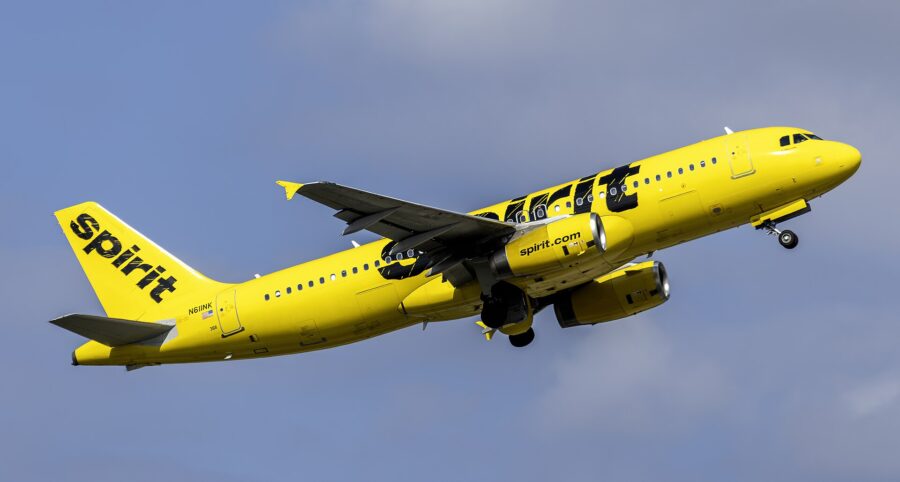
Recent announcements involving Spirit Airlines, including fleet changes and new funding arrangements, have raised fresh questions about the carrier’s long-term viability and the options available to avoid failure. Against this backdrop, David Neeleman, founder of Breeze Airways, says a merger between Spirit Airlines and Frontier Airlines may be essential to the long-term survival of both carriers, arguing that the U.S. ultra-low-cost carrier (ULCC) market is likely capable of supporting only one dominant player.
Neeleman believes scale is the central challenge facing the ULCC segment. Without sufficient size, airlines struggle to spread costs, absorb economic shocks, and compete effectively with much larger network carriers. A combined Spirit–Frontier airline, he argues, would gain the fleet scale, network breadth, and purchasing power needed to operate more competitively in an increasingly demanding market environment.
Synergies are another major factor behind Neeleman’s thinking. He suggests that combining the two ULCCs could unlock operational efficiencies across fleet utilization, maintenance, staffing, and airport operations. Both airlines operate similar business models and overlapping route structures, which could allow a merged carrier to streamline operations while maintaining low fares. In Neeleman’s view, these synergies are critical at a time when rising costs and competitive pressure are squeezing margins across the industry.
However, Neeleman is also realistic about the difficulties of airline mergers. He has cautioned that consolidation alone is not a cure-all and that strong execution is essential for success. He noted that Spirit’s recent restructuring efforts are a positive sign, particularly as the airline works to stabilize its finances and reposition itself in a tougher operating environment.
David Neeleman is a veteran airline entrepreneur best known for founding or co-founding several major carriers, including JetBlue Airways, Azul Linhas Aéreas, WestJet, and most recently Breeze Airways. Widely regarded as one of the most influential figures in modern commercial aviation, Neeleman has built a reputation for launching customer-focused, low-cost airlines that challenge legacy carriers through innovation, efficient operations, and simplified fleets.
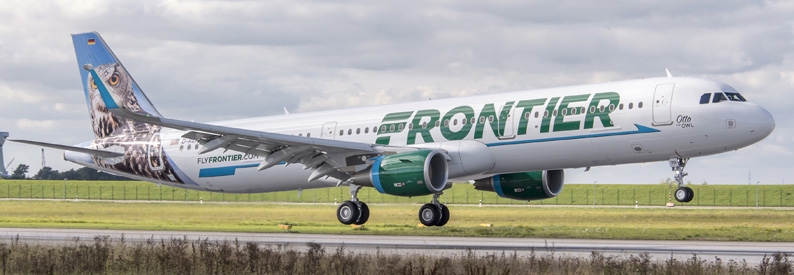
Spirit and Frontier have a complicated merger history. In February 2022, the two airlines announced plans to merge, but the agreement was later terminated after Spirit shareholders failed to approve the deal. More recently, in January 2025, Frontier made another attempt to merge with Spirit while the latter was in bankruptcy proceedings. Spirit’s board ultimately rejected the offer, calling it inadequate.
Despite those setbacks, the strategic rationale for consolidation remains compelling to some industry observers. A merged Spirit–Frontier airline could be better positioned to compete with major U.S. carriers such as American Airlines, Delta Air Lines, and United Airlines, which benefit from extensive networks, loyalty programs, and financial strength.
Neeleman suggests that consolidation could also improve financial stability, allowing a combined ULCC to weather economic cycles more effectively while continuing to offer low fares. While regulatory scrutiny and execution risks remain significant hurdles, his comments underscore the growing view that scale and efficiency may determine which ULCCs can endure in the evolving U.S. airline market.
Spirit vs. Frontier: Fleet Comparison (2025)
Here is a comparison of today’s Spirit and Frontier fleets, and why a merger could make strategic sense:
| Comparing | Spirit Airlines | Frontier Airlines |
|---|
| Fleet Type | Airbus A320 family: A320-200, A320neo, A321-200, A321neo | Airbus A320 family: A320-200, A320neo, A321-200, A321neo |
| Fleet Size | Shrinking toward ~100 | ~166+ with A320neo orders |
| Market Share (U.S.) | ~4.9% | ~3.5% |
| Financial Health | In Chapter 11, restructuring | More stable, expanding |
| Merger Compatibility | High (same fleet type) | High (same fleet type) |
Why a Merger Makes Sense
- Both airlines operate Airbus A320 family jets, meaning fewer integration headaches than airlines with mixed fleets, simplifying potential combined maintenance, training, and operations.
- Spirit and Frontier serve largely domestic and near-international leisure routes, have overlapping routes, consolidation can reduce redundant capacity and improve load factors.
- A merger could create a more extensive network with better frequency and connectivity, especially on underserved ULCC routes.
- Individually, both carriers sit well below legacy rivals like American, Delta, United, or Southwest in market share. Spirit has around ~4.9% domestic share and Frontier about ~3.5%.
- A merger could help the combined airline better compete with larger rivals by offering broader scale and visibility.
- Both focus on ultra-low-fare models with ancillary revenue streams (e.g., baggage fees, seat fees).
Spirit’s ongoing financial struggles, including its bankruptcy restructuring and plans to significantly reduce its fleet, underscore the carrier’s increasingly precarious position in the ultra-low-cost segment. By contrast, Frontier is widely viewed by analysts as being on firmer financial footing and potentially the biggest beneficiary of Spirit’s difficulties, strengthening the strategic logic for consolidation.
A merger could deliver meaningful cost savings by eliminating duplicate corporate overhead, streamlining training and maintenance operations, and improving aircraft utilization. Integration would also be less complex than in most airline mergers, as both carriers operate all-Airbus fleets, follow similar ULCC business models, and serve overlapping networks that could be optimized rather than dismantled. Their shared focus on ultra-low-cost operations further reduces cultural integration risks, making a combined airline better positioned to achieve sustainable profitability in a highly competitive market.
Related News: https://airguide.info/?s=Spirit+Airlines, https://airguide.info/?s=Frontier+Airlines, https://airguide.info/category/air-travel-business/airline-finance/
Sources: AirGuide Business airguide.info, bing.com, reuters.com, businessinsider.com