
Traveling Goals 2026: How to Plan Smarter Trips, Set Budgets, and Turn Ideas Into Reality

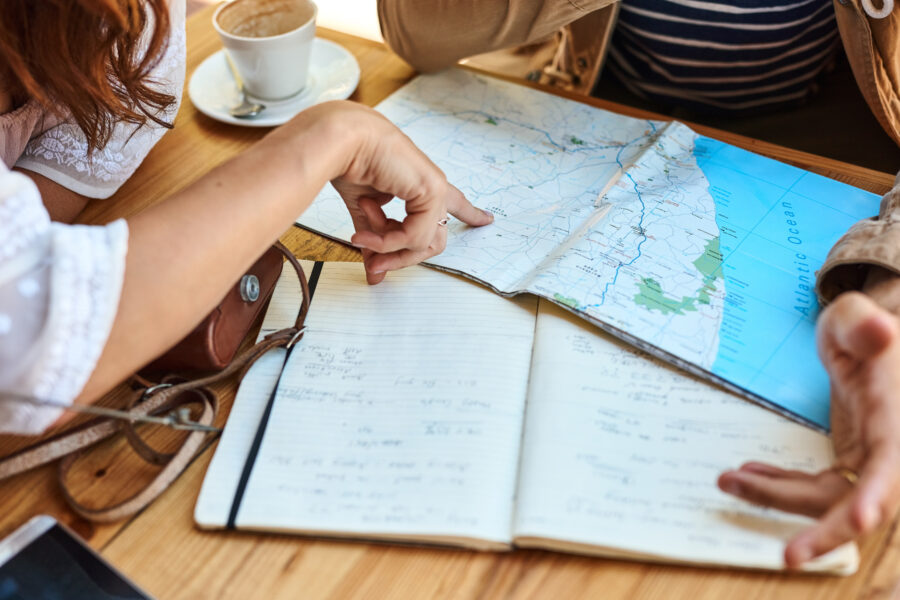
Traveling goals 2026
Goals are already taking shape as travelers rethink how, why, and where they want to go next. After years of shifting priorities, rising costs, and renewed interest in meaningful experiences, travel planning has become more intentional than ever. Setting clear goals early helps travelers balance inspiration with practicality—transforming ideas into achievable journeys.
Whether you travel frequently or plan just a few key trips each year, 2026 is the ideal time to approach travel with structure, flexibility, and purpose.
Evaluating Your Traveling Year
Before setting new travel goals, it’s important to reflect on the year behind you. Evaluating your recent travel experiences provides clarity on what truly worked—and what didn’t.
Ask yourself which trips felt energizing rather than exhausting. Did you enjoy fast-paced itineraries or slower stays? Were certain destinations more rewarding than others? Reviewing travel costs, flight patterns, and accommodation choices also helps identify where adjustments can be made in 2026.
This reflection turns past travel into data, allowing future decisions to be smarter rather than purely aspirational.
Picking the Right Experiences
One of the biggest shifts in modern travel planning is moving away from destination-based goals toward experience-based goals. Instead of asking where to go, travelers are increasingly asking how they want to feel.
Some travelers focus on food-driven travel, building trips around culinary regions, local markets, and seasonal dining experiences. Others prioritize adventure, such as hiking, skiing, or nature-focused travel. Calm getaways—wellness retreats, countryside stays, or coastal escapes—are also gaining popularity as travelers seek balance.
Defining your preferred travel experiences helps narrow down destinations organically and ensures each trip aligns with your personal interests rather than trends alone.
Travel Budgeting tips: With Realism and Flexibility
Budgeting remains one of the most critical elements of setting traveling goals for 2026. Rising airfare, fluctuating hotel rates, and seasonal demand make it essential to plan with flexibility rather than fixed expectations.
Instead of assigning one large annual travel budget, many travelers now break spending into categories: flights, accommodations, experiences, and buffer funds. This approach allows for smarter trade-offs, such as choosing fewer flights but higher-quality stays or prioritizing experiences over luxury hotels.
Tracking travel expenses from previous years provides a realistic foundation and helps avoid underestimating true costs.
Where to Start: Best Time to Travel
Understanding the best time of year to travel is key to maximizing both value and enjoyment. Seasonal planning affects everything from pricing and availability to crowd levels and climate.
Shoulder seasons—those periods just before or after peak travel—often offer the best balance of cost and experience. Weather remains favorable, but destinations are less crowded and more affordable. Planning early around school calendars, major holidays, and regional events also helps avoid inflated prices.
For 2026, mapping travel goals against seasonal patterns allows travelers to lock in opportunities well ahead of demand spikes.
Travel Planning 2026: Materializing With Milestones
Travel goals remain ideas unless they are translated into action. Setting milestones is one of the most effective ways to make travel planning tangible.
This might include booking flights by a certain date, researching accommodations within a set timeframe, or allocating monthly savings toward specific trips. Smaller milestones—such as selecting travel insurance, researching visa requirements, or setting calendar reminders—build momentum and reduce last-minute stress.
Breaking large travel goals into achievable steps turns planning into a process rather than a pressure point.
Travel more!
Travel in 2026 is less about volume and more about intention. Travelers are prioritizing quality, sustainability, and personal fulfillment, making structured planning an essential tool rather than a restriction.
Clear traveling goals allow for better budgeting, improved experiences, and smoother transitions between trips and everyday life. They also help travelers remain adaptable when conditions change—without abandoning plans entirely.
Setting your traveling goals 2026 is not about locking yourself into rigid plans, but about creating a framework that supports exploration, balance, and enjoyment. With thoughtful evaluation, experience-driven choices, realistic budgeting, and clear milestones, travelers can turn inspiration into journeys that feel both meaningful and achievable.
Subscribe to our newsletter!
Related News: https://airguide.info/category/magazineonline/, https://airguide.info/category/destinations/
Sources: AirGuide Business airguide.info, bing.com