
Garmin Emergency Autoland Used in First Real-World Emergency

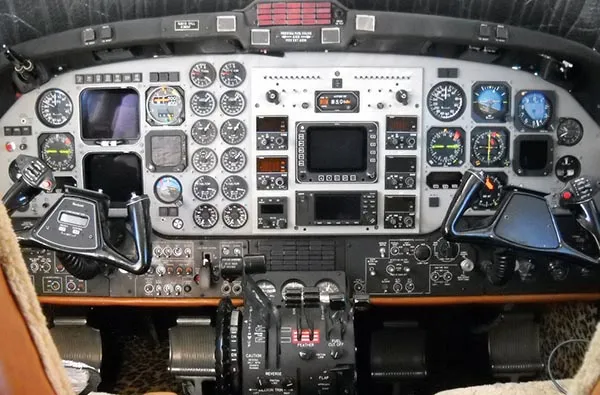
Garmin’s Emergency Autoland system has been deployed for the first time in a real-world emergency, marking a major milestone for automated safety technology in general aviation.
On Saturday, December 20, 2025, the system activated aboard a Beech B200 Super King Air (registration N479BR) operated by Buffalo River Aviation. The aircraft was flying a repositioning leg from Aspen to Denver with no passengers on board when it experienced what the operator described as a “rapid, uncommanded loss of pressurization.”
The aircraft, a Beechcraft Super King Air B200, is equipped with Garmin Emergency Autoland, which is designed to take control of an aircraft if pilots become incapacitated and land it safely at a suitable airport. Following the depressurization event, the system activated automatically, functioning exactly as designed.
At the onset of the pressurization loss, both pilots immediately donned their oxygen masks in accordance with standard emergency procedures. Shortly afterward, the aircraft began squawking 7700, the international transponder code for a general emergency. Emergency Autoland automatically sets the transponder to this code when it engages, alerting air traffic control.
In this case, however, the pilots were not incapacitated. Buffalo River Aviation explained that the system activated due to the rapid nature of the pressurization event, but the flight crew remained conscious and capable of operating the aircraft. Given the complexity of the situation—including instrument meteorological conditions, mountainous terrain, active icing, and uncertainty over the cause of the pressurization failure—the pilots elected to allow Emergency Autoland to remain engaged.
The operator noted that the Garmin system functions in a binary, all-or-nothing mode once activated. Exercising conservative judgment under their emergency authority as defined by FAR 91.3, the pilots chose to monitor the system’s performance while maintaining readiness to resume manual control if needed. According to Buffalo River Aviation, the system performed precisely as expected throughout the event.
Emergency Autoland is designed to autonomously select the most suitable nearby airport, configure the aircraft for approach and landing, and communicate with air traffic control using automated voice messages. The system evaluates factors such as distance, runway length, weather, terrain, and remaining fuel. After touchdown, it brings the aircraft to a stop on the runway and shuts down the engines.
During this flight, air traffic controllers received automated transmissions announcing pilot incapacitation and providing details of the intended landing runway and estimated time to arrival, underscoring how the system integrates automation with existing air traffic management procedures.
Related News: https://airguide.info/?s=Garmin, https://airguide.info/category/air-travel-business/business-aviation/
Sources: AirGuide Business airguide.info, bing.com