
Airbus Pushes Through Supply Chain Turbulence to Boost Output

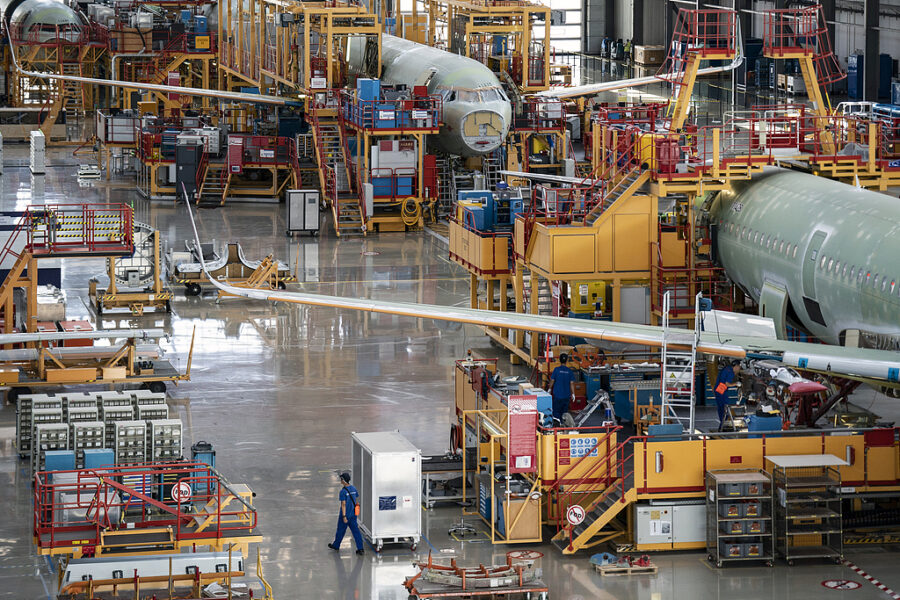
Airbus is intensifying efforts to overcome persistent supply chain bottlenecks that have disrupted aircraft deliveries, increased costs, and complicated maintenance schedules across the global aviation industry. Lingering post-pandemic effects, combined with geopolitical pressures, continue to strain parts availability just as airlines move to expand capacity in response to surging air travel demand.
The manufacturer is conducting detailed assessments of supplier challenges, many of which trace back to disruptions caused during the COVID-19 pandemic. While production systems are gradually stabilizing, shortages of critical components remain a constraint, affecting both new aircraft output and in-service fleet support. These issues have forced Airbus and its customers to carefully manage delivery timelines and operational planning.
Anand Stanley, Anand Stanley, acknowledged that supply disruptions remain a key concern for the company. He said the aftershocks of the pandemic are still being felt across the supplier base, but emphasized that progress is being made. According to Stanley, improvements are now visible at multiple levels of the supply chain, and Airbus remains committed to increasing production rates, with a particular focus on achieving higher output by 2025.
To support this objective, Airbus has introduced so-called “watchtowers,” a monitoring and intervention framework designed to track supplier performance in real time. These watchtowers allow Airbus to identify stress points early, deploy technical or financial assistance where needed, and prevent small disruptions from escalating into major production delays. The approach reflects a more hands-on role by the manufacturer in stabilizing its industrial ecosystem.
The urgency of resolving these challenges is underscored by industry-wide impacts. A recent study by International Air Transport Association (IATA) and Oliver Wyman estimates that supply chain disruptions could cost the airline industry more than $11 billion this year alone. These losses stem from grounded aircraft, delayed deliveries, higher maintenance costs, and reduced operational flexibility.
In 2025, Airbus focused heavily on its A320neo Family, targeting around 790 total deliveries for the year, with the A320neo and especially the larger A321neo dominating, aiming for 75 per month by 2027; meanwhile, A220 production was stabilizing around 8 per month, and A330/A350 widebody output showed gradual improvement, with the A350-1000 gaining traction over the A350-900, reflecting strong demand for efficient narrowbodies.
For Airbus, restoring supply chain resilience is critical not only to meeting delivery targets but also to supporting airline growth plans worldwide. As traffic demand continues to rise, the company’s ability to stabilize suppliers and ramp up production will play a central role in shaping capacity growth and fleet renewal over the second half of the decade.
Related News: https://airguide.info/?s=airbus, https://airguide.info/category/air-travel-business/aircraft-finance/
Sources: AirGuide Business airguide.info, bing.com, yahoo.com