
The World’s Most Stressful Airports—Tips to stay Calm

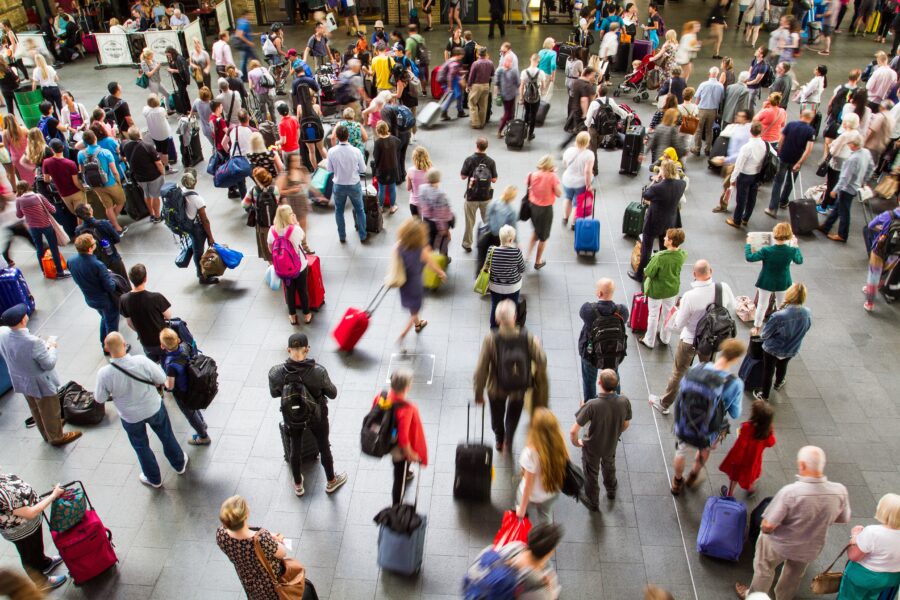
The World’s Most Stressful Airports
Airports are designed to move millions of people efficiently, yet for many travelers they are a major source of anxiety. From long security lines to unexpected delays, navigating the most stressful airports can test even the most seasoned flyers. According to recent rankings analyzing passenger volume, congestion, and operational delays, several global hubs consistently stand out among the stressful airports in the world.
But while you may not be able to choose the airport you fly through, you can control how you respond to it. Understanding what triggers stress—and learning how to manage it—can make a noticeable difference in your travel experience.
Most Stressful Airports in the World
Based on traveler surveys and operational data, some of the world’s busiest airports also rank highest for stress. Large international hubs such as London Heathrow, Los Angeles International (LAX), New York’s JFK, Paris Charles de Gaulle, and Dubai International often appear at the top of these lists. These airports process massive passenger volumes daily, increasing the likelihood of flight delays and crowds, gate changes, and long wait times.
What makes these airports particularly stressful isn’t just size—it’s unpredictability. Tight connections, complex layouts, and peak-hour congestion can quickly elevate airport travel stress, especially for travelers on tight schedules or international itineraries. While these airports are critical global gateways, they are also environments where stress can easily build if expectations aren’t managed.
Things You Can Control
The most effective way to reduce stress at even the most stressful airports is to focus on what’s within your control.
Preparation is key. Arriving early gives you buffer time for security lines, passport control, or unexpected gate changes. Choosing seats closer to the aisle or front of the aircraft can also help reduce stress upon arrival, especially if you have a short connection.
Another controllable factor is information. Monitoring flight status through airline apps, downloading airport maps, and signing up for real-time notifications can reduce uncertainty. When you know what’s happening, airport anxiety tips like deep breathing or mindfulness become easier to apply.
Packing smart also matters. Keeping essentials—documents, chargers, medications, noise-canceling headphones—in an easily accessible bag minimizes last-minute scrambling. Comfort items such as neck pillows or calming music can help create a sense of personal space in chaotic terminals.
Make Use of Airport Lounges
Airport lounges have increasingly become essential spaces for travelers seeking relief from the stress and sensory overload of modern air travel. As airports grow busier and terminals more crowded, lounges offer a controlled, calmer environment where passengers can step away from noise, queues, and time pressure. Comfortable seating, quieter atmospheres, reliable Wi-Fi, and access to food and refreshments allow travelers to reset mentally before a flight or recover after long connections. For frequent flyers and premium passengers, lounges also provide predictability—knowing there is a dedicated space to work, rest, or simply pause helps reduce anxiety and restore a sense of control during an otherwise fragmented journey. In this way, airport lounges function not just as amenities, but as stress-management tools that improve the overall travel experience.
Things You Can’t Control
Equally important is recognizing what you can’t control. Weather disruptions, air traffic congestion, and staffing shortages often lead to flight delays and crowds, especially at high-traffic airports. Fighting these realities only adds frustration.
Security protocols, immigration procedures, and airport infrastructure limitations are also outside a traveler’s control. Accepting this can be surprisingly freeing. Instead of reacting emotionally, focus on adjusting expectations. A delayed flight doesn’t have to mean a ruined trip—it’s simply part of modern air travel.
Understanding that many travelers around you are experiencing the same stress can also help shift perspective. Airports are shared spaces, and delays are rarely personal. Practicing patience can significantly lower emotional strain in high-pressure environments.
Extra Tip: Reframe the Airport Experience
One often-overlooked strategy for managing airport travel stress is reframing how you view the airport itself. Instead of seeing it as an obstacle, treat it as a transition space. Use the time to disconnect, read, journal, or simply observe.
Many major airports now offer wellness rooms, quiet lounges, and improved dining experiences. Even in the stressful airports in the world, there are pockets of calm if you look for them. Turning waiting time into intentional downtime can reduce anxiety and make travel feel less rushed.
Final Thoughts—and a Calm Way Forward
Travel will never be completely stress-free, especially when passing through the most stressful airports on the planet. However, by focusing on preparation, acceptance, and small comfort strategies, travelers can dramatically reduce their stress levels.
Knowing the difference between what you can and can’t control isn’t just useful for airports—it’s a mindset that improves travel overall. With the right tools, even the busiest terminals become manageable.
For more travel insights, airport trends, and expert tips to navigate modern air travel with confidence, subscribe to our newsletter and stay informed before your next journey.
Related Content: Health & Travel, https://airguide.info/category/magazineonline/airports/
Sources: bing.com, airguide.info
Subscribe to our newsletter!