
Dangerous Tourism Trends: Why Risky Travel Is So Popular — and Whether You Should Try It

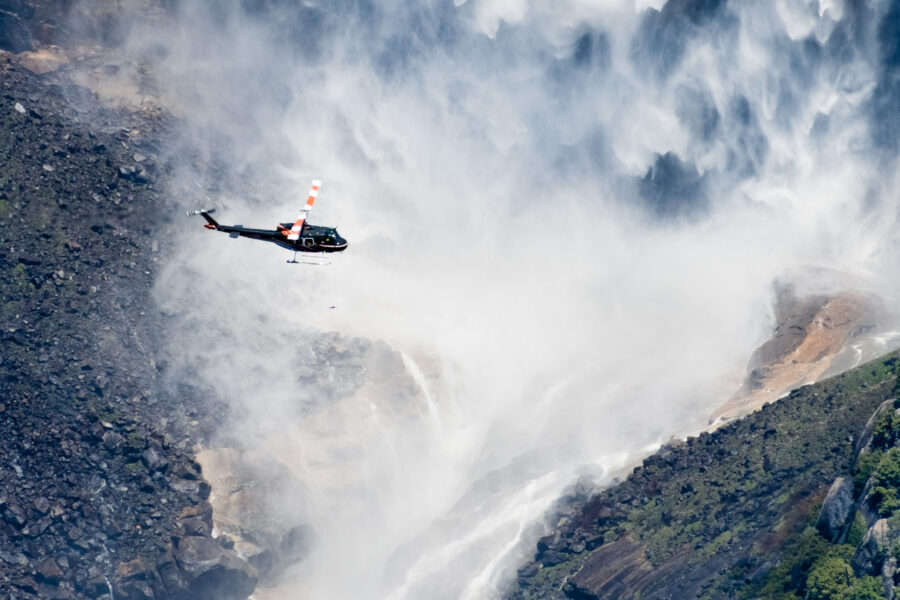
Travel has always been about discovery, but in recent years a new category has emerged in the travel world: dangerous tourism trends. From cliff-side selfies to high-altitude trekking and extreme zip lines, travelers are increasingly seeking experiences that push physical and psychological boundaries. While not all adventure is dangerous, the growth of extreme travel experiences highlights a shift in how people define meaning, joy, and accomplishment in their journeys.
This blog breaks down what these dangerous tourism trends really are, why they’ve become popular, whether you should try them, and why balancing thrill with caution is essential.
What Is Dangerous Tourism?
Dangerous tourism refers to travel activities that involve a significant element of risk or physical challenge, often beyond what people consider “normal sightseeing.” These can include:
• Walking on suspended glass bridges over deep gorges
• Cliffside hiking with minimal railings
• Selfies taken at great heights
• Extreme water activities in rough seas
• High-speed off-road adventures
At its core, dangerous tourism overlaps with adventure travel risks, offering adrenaline rushes and bragging rights — but with a higher potential for injury or harm if safety isn’t prioritized.
Why Is It Popular?
It may seem counterintuitive, but the rise of dangerous tourism trends makes sense in the context of modern culture. Several factors contribute:
1. Social Media Amplification
Platforms like Instagram and TikTok reward bold visuals. A photo of someone perched on a cliff or walking a sky bridge generates engagement, and travelers are responding by seeking out sharable moments.
2. Experience Over Material
More travelers value experiences over possessions. Extreme adventures promise memorable stories and intense emotional payoff that traditional sightseeing rarely delivers.
3. Challenging Comfort Zones
Many people chase experiences that test limits — psychologically, physically, or socially. Surviving a risky activity can feel like a personal achievement.
4. Accessibility of Information
Online guides and extreme travel blogs make once-remote risky activities accessible to larger audiences, sometimes without adequate discussion of travel safety concerns.
Combined, these factors have made dangerous tourism a subset of popular travel culture rather than a fringe niche.
Should You Try It?
The short answer: it depends on what you want from your trip — and how you prepare for it.
If your goal is pure adrenaline and a powerful sense of accomplishment, some extreme travel experiences deliver. However, “dangerous” doesn’t mean “worth the risk” without prudent planning. Understanding both the rewards and the hazards is key to making an informed choice.
Here’s how to weigh your decision.
Why You Might Try Dangerous Tourism
Thrill and Personal Growth
Confronting fear in a controlled way can boost confidence and expand what you think you’re capable of achieving.
Unforgettable Memories
Extreme vistas and unique challenges forge stories that last a lifetime — and sometimes reshape how you approach other challenges in life.
Community and Camaraderie
Many adventure activities are group-oriented. Shared risk can foster strong bonds and travel memories tied to real cooperation.
Why You Might Not Try It
Physical Risk
Risky tourism activities are associated with a higher probability of injury. Not all locations have immediate medical support.
Travel Safety Concerns
Some dangerous tourism spots lack proper regulation, professional guides, or emergency infrastructure. This can turn thrill into calamity.
Psychological Stress
For some travelers, what seems exciting on social media becomes overwhelming in reality. Not all personalities thrive under high-risk conditions.
False Sense of Safety
Advertising and photos can understate hazards. What looks like a scenic cliffside walk might involve slick rocks or sudden winds.
In short, if your priority is a calm, restorative journey, leaning only into dangerous tourism trends may detract rather than enhance your experience.
How to Balance Thrill With Safety
If you decide to pursue extreme travel experiences, make sure you do so responsibly:
• Research thoroughly — don’t rely on photos alone.
• Choose certified guides with strong safety records.
• Pack appropriate gear.
• Know your physical and mental limits.
• Check weather and local advisories.
• Inform someone of your plans before embarking on risky activities.
Balancing excitement with preparation reduces harm and ensures the experience remains memorable for the right reasons.
So… Should you do it?
Dangerous tourism trends tap into a basic human desire for challenge and novelty. They reflect a broader cultural shift toward daring experiences and intense memories. Yet, adrenaline should never override common sense. Understanding what is risky — and why — helps travelers make decisions that are both thrilling and safe.
If you value unforgettable journeys but also care about your wellbeing, extreme travel can be part of a balanced travel toolkit — just use caution, preparation, and respect for your own limits.
If you enjoyed this exploration of dangerous tourism trends and want expert travel insights delivered to your inbox, subscribe to our newsletter for more travel news, tips, and destination guides!
References: bing.com, airguide.info
Related Content: Travel Health
Subscribe to our newsletter!