
Southwest Airlines Shifts Strategy Under CEO Bob Jordan

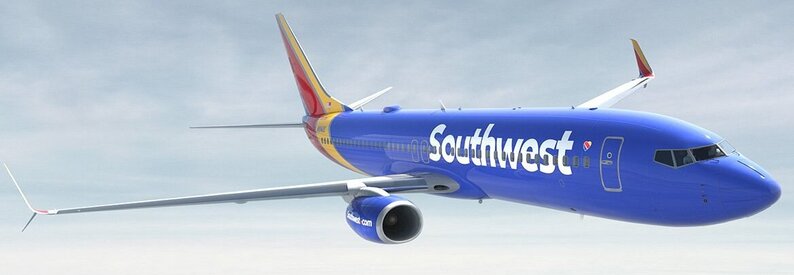
Southwest Airlines is undergoing one of the most consequential strategic shifts in its history under the leadership of CEO Bob Jordan, signaling a clear departure from some of the airline’s long-standing traditions. Among the most notable changes are the introduction of assigned seating and the expansion of ticketing options—moves that reflect both evolving customer expectations and mounting competitive pressure across the US airline industry.
For decades, Southwest differentiated itself with open seating and a simplified fare structure. Under Jordan, the airline has begun rethinking those pillars as it seeks to attract higher-yield travelers and better compete with network carriers and premium-focused low-cost rivals. Assigned seating is expected to appeal to customers who value certainty and are accustomed to seat selection on other airlines, while expanded ticketing options provide greater flexibility and potential ancillary revenue opportunities.
Jordan’s tenure has not been without significant challenges. A major winter storm tested Southwest’s operational resilience, placing renewed scrutiny on its systems, recovery processes, and leadership. While the airline has invested heavily in technology upgrades since past disruptions, the storm highlighted how weather events can still ripple through even the most established networks, underscoring the need for continued modernization.
At the same time, Southwest has faced pressure from activist investors pushing for improved financial performance and structural change. That pressure has coincided with a period of record revenue, suggesting that the airline’s evolving strategy is beginning to deliver measurable results. Higher fares, stronger demand, and new revenue streams have helped boost top-line performance, even as costs across labor, fuel, and operations remain elevated.
Perhaps the most symbolic moment of change came with Southwest’s first-ever layoffs, a stark break from its long-standing reputation for job security. While the reductions were limited, they underscored the reality that Southwest is no longer insulated from the same economic and operational pressures facing the broader airline industry. Jordan has framed the decision as a necessary step to ensure long-term sustainability rather than a shift away from the company’s employee-centric culture.
Industry analysts view Southwest’s evolution as both pragmatic and risky. Introducing assigned seating and broader ticketing options may help unlock new revenue and attract different customer segments, but it also challenges the simplicity that defined the brand for decades. The success of these changes will depend on execution—and on whether Southwest can modernize without alienating its most loyal customers.
Under Bob Jordan, Southwest Airlines is clearly signaling that stability alone is no longer enough. The carrier’s future now hinges on balancing tradition with transformation, as it adapts to a more complex, competitive, and financially demanding airline landscape.
Related News: https://airguide.info/category/air-travel-business/airline-finance/
Sources: AirGuide Business airguide.info, bing.com