
United Ties Flight Attendant Pay Raises to Scheduling Changes

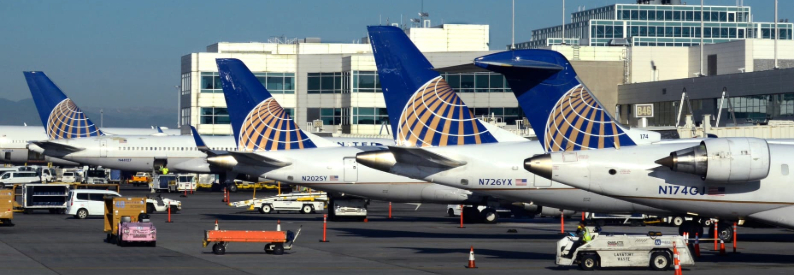
United Airlines has detailed its position in ongoing contract negotiations with flight attendants, linking proposed wage increases to significant changes in work rules and scheduling structures. The airline argues that higher pay must be accompanied by reforms that improve efficiency and flexibility, while labor representatives warn that the concessions could materially alter quality of life for crews.
At the center of United’s proposal is a plan to reduce the monthly reserve guarantee to 75 hours, down from current levels. Reserve pay guarantees ensure a baseline income for flight attendants who must remain available to work on short notice. United says lowering the guarantee would better align staffing costs with actual flying while allowing the airline to redirect savings toward higher hourly wages.
The proposal also includes phasing out reserve override, a mechanism that provides additional compensation when reserve flight attendants exceed certain thresholds. United views the override as costly and operationally complex, while flight attendants see it as a critical safeguard against unpredictable schedules and extended duty periods.
Another key element is the implementation of a Preferential Bidding System (PBS) driven by algorithmic scheduling. Under PBS, flight attendants bid for schedules based on seniority and preferences, with software optimizing pairings across the network. United argues that PBS would modernize crew scheduling, improve coverage, and reduce manual interventions during disruptions. The airline says similar systems are already widely used across the industry.
Flight attendant unions, however, remain cautious. While higher wages are a top priority amid rising living costs, union leaders have expressed concern that algorithmic scheduling could reduce transparency and increase fatigue if not carefully governed. They also warn that a lower reserve guarantee could disproportionately impact junior flight attendants, who rely more heavily on reserve assignments.
United maintains that the proposed changes are necessary to support long-term competitiveness. Management points to rising labor, fuel, and infrastructure costs, arguing that structural reform is essential to sustain meaningful pay increases. The airline has positioned its offer as a trade-off: stronger wage growth in exchange for more predictable and cost-efficient scheduling.
Industry analysts note that the dispute reflects a broader trend in airline labor talks, where compensation gains are increasingly tied to productivity and flexibility measures. As carriers invest in technology and data-driven operations, labor groups are pushing to ensure those tools do not erode work-life balance or contractual protections.
Negotiations remain ongoing, with no immediate resolution announced. For United, the outcome will shape not only flight attendant compensation but also how the airline manages its workforce in an increasingly complex operating environment. For flight attendants, the talks represent a pivotal moment—balancing pay gains against changes that could redefine how schedules, reserves, and day-to-day work are structured for years to come.
Related News: https://airguide.info/category/air-travel-business/airline-finance/
Sources: AirGuide Business airguide.info, bing.com