
In-Flight Wi-Fi Reaches 70% Adoption as Legacy Airlines Lead

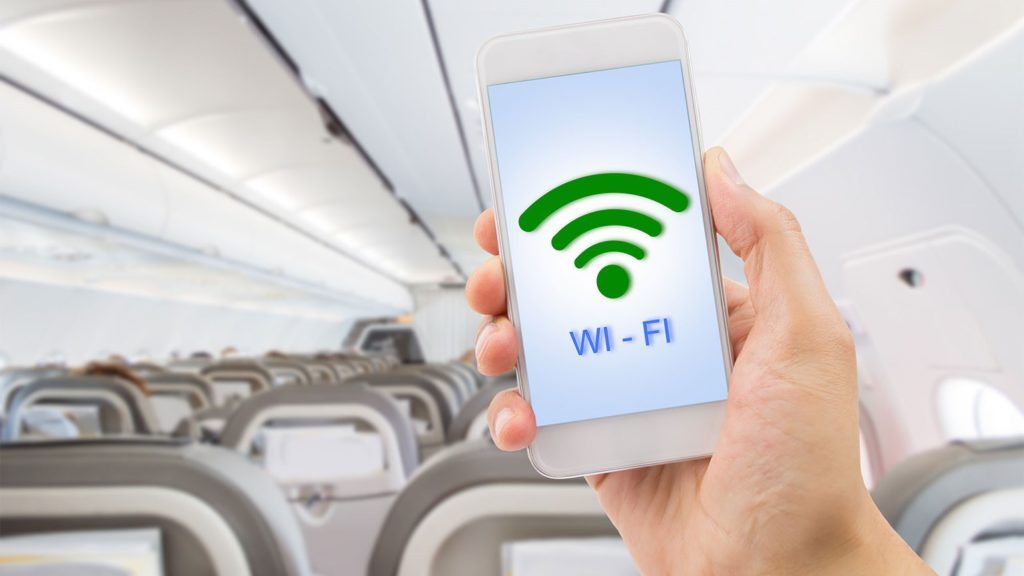
In-flight connectivity has moved firmly into the mainstream, with 70% of airlines worldwide now offering onboard Wi-Fi, according to new research from Moment. The findings highlight how internet access in the air is increasingly viewed as a core part of the passenger experience rather than a premium add-on.
The report reveals a clear divide between airline business models. Legacy carriers lead adoption, with 89% offering in-flight Wi-Fi, compared with just 43% of low-cost and budget airlines. Full-service airlines have been quicker to invest in connectivity as a way to enhance premium cabins, support loyalty programs, and meet the expectations of business travelers who increasingly view continuous connectivity as essential.
For network airlines, Wi-Fi has also become a revenue and engagement tool. Beyond direct fees, connectivity enables digital services such as onboard retail, streaming entertainment, real-time flight updates, and personalized offers tied to frequent-flyer accounts. Many carriers are now bundling Wi-Fi into premium tickets or offering free messaging to all passengers, shifting the focus from monetization to customer satisfaction and brand differentiation.
Budget airlines, by contrast, have taken a more cautious approach. The cost of installation, satellite bandwidth, and ongoing maintenance remains a significant hurdle, particularly for short-haul fleets where flights may last less than two hours. However, Moment notes that this gap is gradually narrowing as new satellite technologies reduce costs and make connectivity more scalable for high-utilization aircraft.
Regionally, the Americas continue to lead in in-flight Wi-Fi maturity, driven by early adoption and dense domestic networks where passenger expectations are especially high. North American travelers, in particular, have come to expect reliable connectivity on medium- and long-haul flights, pushing airlines to continually upgrade systems and bandwidth.
The Asia-Pacific region is advancing rapidly, according to the report, fueled by the rollout of next-generation satellite constellations and strong demand for digital services. Airlines across Asia are increasingly equipping widebody fleets with high-speed connectivity to support long-haul international routes and tech-savvy passengers. Several carriers in the region are leapfrogging older systems entirely, moving straight to more advanced satellite solutions.
Europe sits between the two, with adoption rising steadily but unevenly across carriers and markets. Regulatory complexity, fragmented fleets, and varied passenger expectations have slowed uniform rollout, though momentum is building as airlines refresh cabins and aircraft.
Moment concludes that in-flight Wi-Fi is nearing the point where it will be considered standard equipment, much like seatback screens once were. As technology improves and costs fall, connectivity is expected to expand further across low-cost fleets and shorter routes.
For airlines, the message is clear: passengers increasingly expect to stay connected from gate to gate. Those that lag behind risk falling short of evolving customer expectations in an increasingly digital travel experience.
Related News: https://airguide.info/category/air-travel-business/airline-finance/
Sources: AirGuide Business airguide.info, bing.com