
FAA Sets Plan for Boeing 737-10 Max Safety Upgrades

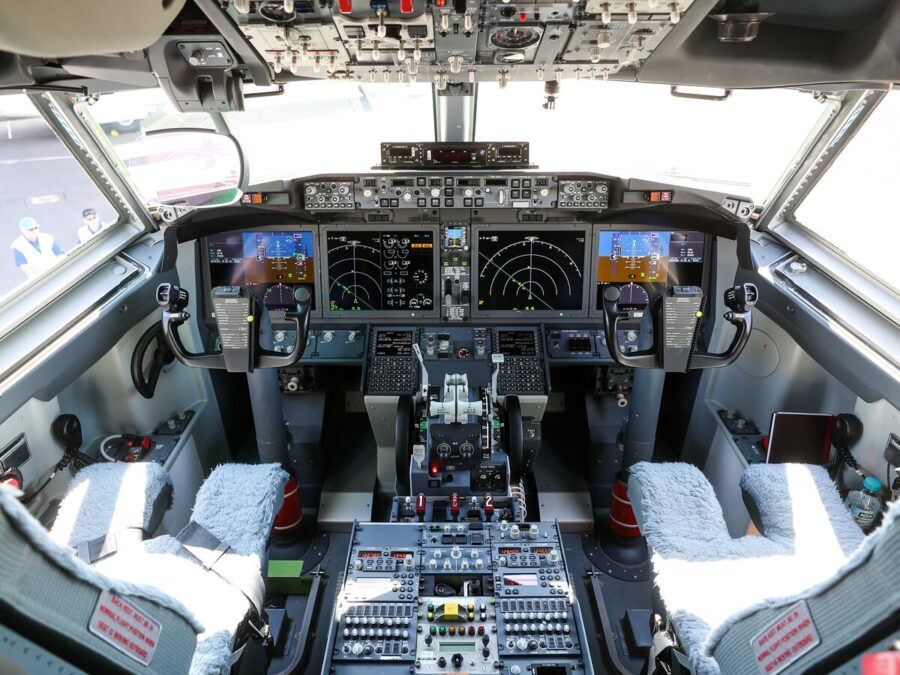
The Federal Aviation Administration has published a formal notice in the Federal Register outlining its implementation plan for mandated safety enhancements on the Boeing 737 Max family, including the still-uncertified 737-10. The document provides new clarity on how the regulator intends to evaluate, certify, and ultimately require fleet-wide adoption of enhanced flight crew alerting features.
The plan stems from Section 501 of the Consolidated Appropriations Act of 2023, which prohibits the FAA from issuing new or amended airworthiness certificates for transport-category aircraft unless specific safety improvements are incorporated into the design. These requirements, now codified in 49 U.S.C. § 44744, were introduced as part of sweeping aviation safety reforms following the two fatal 737 Max accidents in 2018 and 2019.
Under the FAA’s framework, the agency will first evaluate and, where appropriate, approve Boeing’s proposed safety enhancements as part of the 737-10 type certification program. Central to these changes is an upgraded flight crew alerting system, which is expected to include a synthetic angle-of-attack capability and revised logic to better manage stall warning and overspeed alerts. The goal is to reduce pilot workload, eliminate confusing or contradictory warnings, and improve situational awareness during abnormal conditions.
Once the 737-10 design is certified, the FAA will then assess how similar safety enhancements can be extended across the broader 737 Max fleet. This step is expected to involve additional design changes, regulatory approvals, and the issuance of service bulletins or airworthiness directives to mandate retrofits on in-service aircraft.
The FAA said regulatory oversight will include close monitoring of Boeing’s development, testing, and publication of associated service information. In parallel, the agency will track airline compliance to ensure U.S.-registered Max aircraft are modified within any future regulatory deadlines once those requirements are finalised.
Industry sources say the FAA has already begun a detailed technical review of Boeing’s updated flight crew alerting architecture as part of the ongoing Max 10 certification effort. This work reflects a broader regulatory shift toward improving cockpit alerting philosophy, system redundancy, and human–machine interaction—areas that have been under intense scrutiny since the Max grounding.
The certification timeline for the 737-10 remains closely tied to the successful validation of these safety enhancements. Until the FAA is satisfied that the new alerting system meets statutory and safety requirements, the aircraft cannot enter service. Once approved, the enhancements are expected to become mandatory across all MAX variants, marking another significant step in the post-crisis evolution of the program.
The FAA stressed that the implementation plan is designed to ensure consistency, transparency, and enforceability as the regulator continues to rebuild confidence in the oversight and safety of the 737 Max fleet.
Report: FAA outlines implementation plan for flight crew alerting upgrades on Boeing 737 Max aircraft. Published in the Federal Register on December 15, 2025 (Document No. 2025-22787):
https://www.govinfo.gov/content/pkg/FR-2025-12-15/html/2025-22787.htm
Related News: https://airguide.info/?s=boeing+737, https://airguide.info/?s=FAA, https://airguide.info/category/air-travel-business/travel-health-security/
Sources: AirGuide Business airguide.info, bing.com, govinfo.gov, aeromorning.com