
South African Airways, CemAir Launch Domestic Codeshare

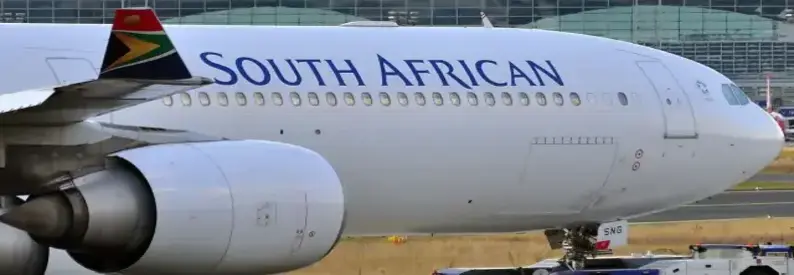
South African Airways and CemAir have announced a new domestic codeshare partnership set to take effect on January 26, expanding connectivity across South Africa’s secondary and tertiary markets. The agreement allows the national flag carrier to extend its domestic reach beyond its own network by leveraging CemAir’s regional footprint.
Under the arrangement, passengers will be able to book single-ticket itineraries covering both airlines’ flights, with baggage through-check and coordinated schedules designed to deliver smoother, more seamless connections. The partnership is aimed at improving access to regional and leisure destinations that South African Airways does not currently serve with its own aircraft.
South African Airways chief executive John Lamola described the codeshare as a “game-changer for domestic travel in South Africa,” highlighting its role in strengthening links between major trunk routes and underserved markets. Through the partnership, SAA’s core network centered on Johannesburg O.R. Tambo International Airport, Cape Town International Airport, King Shaka International Airport, and Port Elizabeth International Airport will connect more efficiently with regional points served by CemAir.
CemAir’s domestic network includes destinations such as George, East London, Margate, Kimberley, Hoedspruit, and the Mala Mala area, which are popular for both business travel and tourism. By integrating these routes into SAA’s booking channels, the airlines aim to stimulate demand and provide passengers with greater choice and convenience without requiring additional aircraft investment from SAA.
The move aligns with South African Airways’ broader strategy to rebuild its domestic and regional presence through partnerships rather than rapid fleet expansion. Since emerging from restructuring, the airline has focused on restoring financial stability while selectively rebuilding capacity on high-demand routes.
SAA has previously indicated its intention to establish a deeper feeder strategy, either through a joint venture with a domestic regional carrier or by investing in a dedicated feeder operation using smaller aircraft. Such a model would allow the airline to serve thinner routes more economically while protecting its mainline fleet for higher-density services.
However, when asked for an update, SAA said it was unable to provide a revised timeline for issuing a request for proposals covering its longer-term fleet and feeder requirements. That RFP had previously been expected by the end of 2025.
Industry observers see the CemAir codeshare as a pragmatic interim solution, offering immediate network expansion while giving SAA additional time to refine its long-term domestic and regional strategy in a highly competitive market.
Related News: https://airguide.info/category/air-travel-business/airline-finance/
Sources: AirGuide Business airguide.info, bing.com, ch-aviation.com