
Flexjet, Honeywell Settle Engine Dispute and Extend Deal to 2035

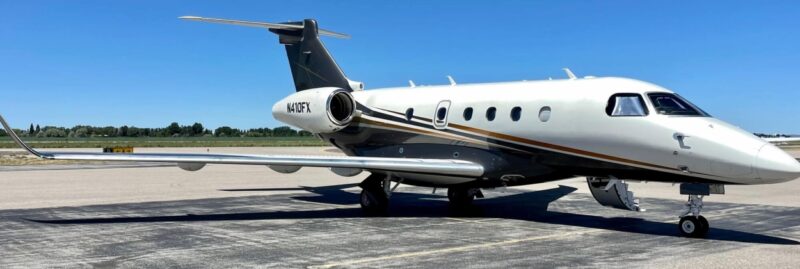
Flexjet and Honeywell Aerospace have reached a comprehensive settlement resolving all pending litigation between the two companies, bringing an end to a high-profile dispute over aircraft engine maintenance delays. As part of the agreement, the parties have also renewed and extended their long-term engine maintenance contract through 2035.
The settlement, announced on January 21, closes a legal battle that had exposed Honeywell to potential liabilities estimated at more than USD1 billion. The agreement also resolves related proceedings involving maintenance providers Duncan Aviation and StandardAero, both of which had filed claims against Flexjet that were subsequently tied to the broader Honeywell dispute. Financial terms of the settlement were not disclosed.
Flexjet said the resolution underscores the importance of supplier accountability within the business aviation industry. The company indicated that the overall value of the settlement, including cash considerations and service credits, exceeds USD1 billion, describing the outcome as a significant precedent for operators seeking to address supplier performance failures. Flexjet added that it hopes the case will serve as a reference point for strengthening supplier relationships based on reliability, transparency, and consistent delivery.
The dispute originated from a 2019 agreement under which Honeywell committed to provide maintenance, repair, and rental engine support for HTF-powered aircraft in Flexjet’s fleet. These include business jets manufactured by Bombardier and Embraer. Flexjet later alleged that repeated delays in engine overhauls and limited availability of rental engines resulted in prolonged aircraft groundings, reducing fleet dispatch reliability during peak operating periods.
In March 2023, Flexjet filed suit in the New York Supreme Court, claiming that the maintenance issues caused substantial operational and financial harm. In May 2025, the court ruled that the contract’s liquidated damages clause was enforceable, setting a minimum potential liability of around USD600 million. Flexjet argued that Honeywell’s total exposure could have reached as much as USD1.2 billion depending on the outcome at trial.
Later in 2025, Honeywell disclosed in a regulatory filing that a potential settlement could involve a payment of approximately USD470 million. Flexjet responded at the time that the figure reflected accounting recognition rather than a ceiling on possible damages. The case had been expected to proceed to a jury trial in the first half of 2026 before the settlement was reached.
By extending their maintenance agreement to 2035, both companies signaled a desire to reset their commercial relationship and restore long-term cooperation. Industry observers say the resolution removes a major legal overhang for both parties and highlights the growing operational and financial risks associated with engine availability and maintenance performance in business aviation.
Related News: https://airguide.info/category/air-travel-business/airline-finance/
Sources: AirGuide Business airguide.info, bing.com, ch-aviation.com