
FAA Says Boeing Responsible for 737-7 and 737-10 Certification Delays

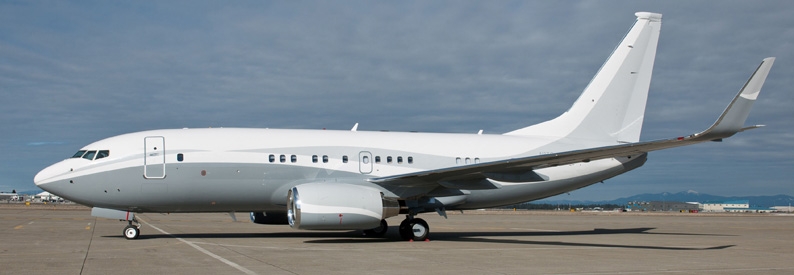
The Federal Aviation Administration has pushed back against criticism over delays to the certification of the Boeing 737-7 and Boeing 737-10, placing responsibility squarely on Boeing to complete the remaining work required for approval. Speaking to reporters on January 22, FAA Administrator Bryan Bedford said the regulator has devoted substantial resources to supporting the certification process but stressed that the manufacturer must resolve outstanding technical issues.
Bedford said the FAA has been actively assisting Boeing with the certification of both variants but rejected the notion that the regulator is acting as a bottleneck. He noted that delays have largely stemmed from an engine deicing issue that Boeing must address before certification can be finalised. “We can only help get them there, but they have got to do the work,” Bedford said, adding that the FAA is not the roadblock preventing approval of the 737-7 and 737-10.
The comments follow years of frustration among airlines awaiting the two remaining members of the 737 MAX family. The 737-7, the smallest variant, and the 737-10, the largest, have both faced repeated certification setbacks as Boeing works through design changes and regulatory scrutiny intensified after earlier safety crises.
Bedford and his predecessor, Mike Whitaker, have both acknowledged that the certification framework itself may need reform. The FAA is currently running several initiatives with industry stakeholders aimed at evaluating how certification processes can be streamlined without compromising safety. Bedford said the agency is examining potential improvements but declined to prejudge the outcome of those efforts.
Earlier this month, Reuters reported that the FAA had approved the Boeing 737-10 to move into the second phase of flight testing, a significant milestone in the aircraft’s long-running certification campaign. Boeing executives have since said they remain confident that both the 737-7 and 737-10 will receive certification within the year, although no firm timeline has been provided.
Demand for the 737-10 remains strong despite the delays. According to ch-aviation data, Boeing has accumulated more than 1,425 orders for the variant. Alaska Airlines is the largest customer with 168 aircraft on order, followed by United Airlines with 164, Ryanair with 150, American Airlines with 115, and WestJet with 107. Delta Air Lines and Pegasus Airlines have each ordered 100 aircraft. Earlier this month, Alaska Airlines added a further 105 737-10s, on top of 63 unfilled earlier commitments.
The 737-10 will be assembled at Boeing’s Everett, Washington, facility on a newly established production line, as the aircraft’s length exceeds the capacity of the Renton plant. Boeing has recently advertised management roles for the new line, signalling preparations for higher output once certification is secured.
In October 2025, the FAA approved an increase in 737 MAX production to 42 aircraft per month, lifting a long-standing cap of 38 units. However, until the 737-7 and 737-10 are certified, Boeing’s MAX family will remain incomplete, with airlines and lessors continuing to await clarity on delivery timelines.
Related News: https://airguide.info/category/air-travel-business/airline-finance/
Sources: AirGuide Business airguide.info, bing.com, ch-aviation.com