
Rossiya Airlines Boeing 747 Aborts Takeoff After Engine Fire in Russia

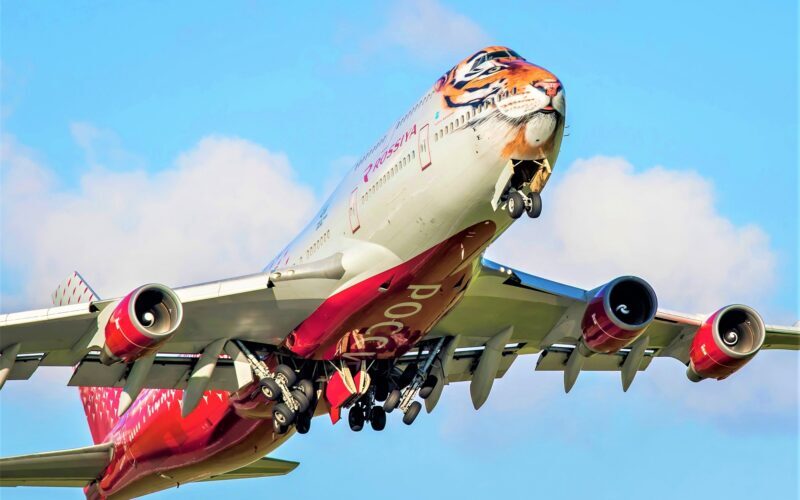
A Rossiya Airlines Boeing 747 aborted its takeoff after an engine surge triggered visible sparks and flames during departure from Yuzhno-Sakhalinsk Airport in Russia’s Far East, underscoring mounting safety and maintenance pressures on the country’s long-haul aviation operations.
The aircraft, a Boeing 747-400 operated by Rossiya Airlines, was performing a scheduled service from Yuzhno-Sakhalinsk to Sheremetyevo International Airport when the incident occurred. The Moscow-bound flight was carrying 388 passengers, including nine children. No injuries were reported.
According to Russian aviation authorities, the No.1 engine experienced a surge during the takeoff roll, prompting the flight crew to carry out a high-speed rejected takeoff in line with standard emergency procedures. Video footage circulating online shows the widebody accelerating along a snow-covered runway before abruptly slowing, with witnesses reporting sparks and brief flames near one of the engines.
As the pilots applied maximum braking, the aircraft veered slightly off the runway centerline and came to rest in deep snow adjacent to the paved surface. Emergency services responded immediately, and a small fire caused by overheated brakes was extinguished quickly. Airport officials said the aircraft did not overrun the runway, although investigators are continuing to review video evidence and flight data.
Operations at Yuzhno-Sakhalinsk Airport were temporarily suspended while the aircraft was secured and later towed away. Rossiya Airlines subsequently arranged for a Boeing 777-300 to be ferried in from Moscow to operate the delayed service. Affected passengers were accommodated in local hotels overnight.
Multiple investigations are now underway to determine the precise cause of the engine surge and runway excursion. Authorities are examining aircraft performance data, engine condition, runway contamination, and the role of severe winter weather at the time of departure. Preliminary assessments indicate that intense braking loads may have caused the aircraft to pitch forward, with the nose landing gear briefly contacting the runway surface.
The incident comes amid sustained operational strain across Russia’s aviation sector. Western sanctions linked to the war in Ukraine have sharply limited access to Boeing and Airbus spare parts, approved maintenance services, and manufacturer-supported repair networks. As a result, airlines have increasingly relied on parallel import channels and extended operation of ageing aircraft to maintain capacity on domestic and long-haul routes.
Industry data indicates that more than 800 technical malfunctions were reported across Russian commercial aircraft in 2025, a significant year-on-year increase. The continued use of older widebody types, including reactivated Boeing 747s, has drawn heightened scrutiny from aviation safety analysts.
While the Rossiya incident ended without injuries, analysts say it highlights the growing challenges of sustaining safe operations under constrained maintenance conditions, particularly at remote airports facing harsh winter environments. Each high-profile event is likely to intensify questions around fleet airworthiness, long-term sustainability, and risk management within Russia’s commercial aviation system.
Related News: https://airguide.info/?s=Rossiya, https://airguide.info/category/air-travel-business/travel-health-security/
Sources: AirGuide Business airguide.info, bing.com, aviationa2z.com