
British Airways Flight Loses Wheel During Takeoff From Las Vegas

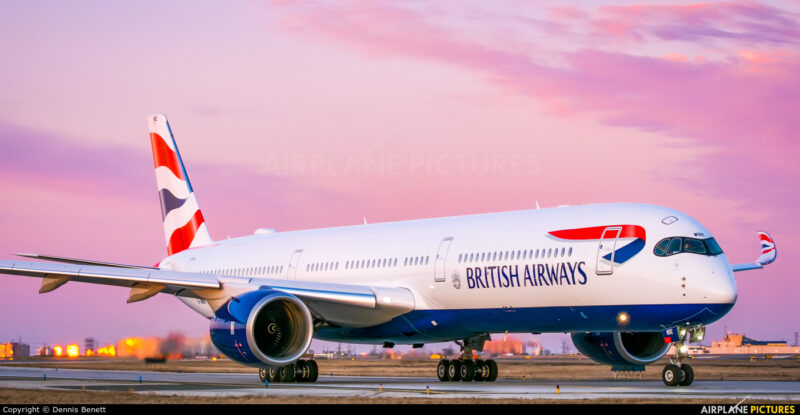
A British Airways aircraft lost a wheel shortly after takeoff from Las Vegas, yet continued its long-haul journey to London and landed safely without injuries, according to multiple independent reports and flight-tracking data.
The incident involved British Airways flight BA274, an Airbus A350-1000 operating a scheduled service from Harry Reid International Airport to London Heathrow Airport on the evening of Monday, January 26, 2026. Shortly after departure, the aircraft experienced a malfunction involving its right-rear main landing gear.
Video footage shared by the flight-tracking platform Flightradar24 showed sparks emanating from the right-hand main landing gear as the aircraft accelerated and lifted off. Moments later, as the landing gear was retracting, one of the wheels detached in mid-air and fell to the ground near the airport perimeter. The wheel separation was also captured on Flightradar24’s automated live stream monitoring departures at Las Vegas.
Despite the loss of the wheel, the flight crew elected to continue the journey to London. After more than nine hours in the air, the aircraft landed safely and without incident at Heathrow. British Airways later confirmed that there were no injuries to passengers or crew on board, and no reports of injuries on the ground in Las Vegas.
The aircraft involved was an Airbus A350-1000, part of the long-haul fleet used by British Airways on transatlantic routes. While losing a wheel is rare, aviation safety experts note that large commercial aircraft are designed with redundancy in landing gear systems, allowing for safe landings even when components are damaged or missing.
The event has drawn renewed attention to Airbus at a time when the manufacturer is already under increased scrutiny over technical and quality-related issues affecting parts of its fleet. Airbus has recently acknowledged that up to 600 aircraft could be subject to inspections related to manufacturing tolerances on certain fuselage panels, although the company has said not all aircraft will require corrective work.
According to Airbus, the panel issue involves components at the front of some aircraft that were found, in isolated cases, to be either slightly too thick or too thin. The manufacturer stressed that the matter does not pose an immediate flight safety risk. Of the aircraft affected, 168 were already in active service and required additional checks.
Separately, the industry has faced broader disruption following a recent grounding of more than 6,000 Airbus aircraft worldwide for emergency software updates. That issue was linked to a vulnerability in flight-control computers that could be triggered by intense solar radiation. The problem came to light after an aircraft operating between the United States and Mexico experienced a sudden loss of altitude, injuring 15 passengers.
That grounding caused widespread cancellations and delays during the busy Thanksgiving travel period in the United States and weighed heavily on Airbus’s share price, which fell more than 6.5% in the days following the announcement.
Investigations into the British Airways wheel-loss incident are ongoing, with aviation authorities expected to review maintenance records, component condition, and operational data to determine the precise cause of the failure.
Related News: https://airguide.info/?s=British+Airways, https://airguide.info/?s=A350, https://airguide.info/category/air-travel-business/travel-health-security/
Sources: AirGuide Business airguide.info, bing.com, yahoo.com