
Southwest Airlines Ends Open Seating After 50 Years

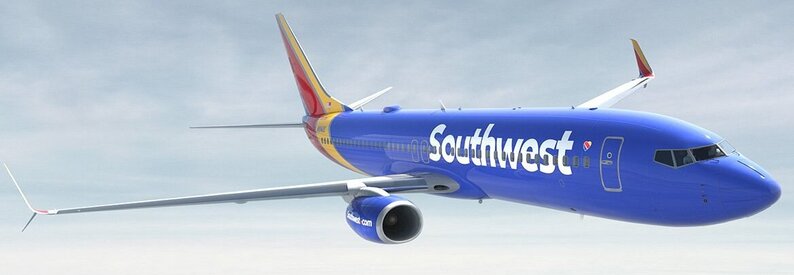
Southwest Airlines is officially ending its open-seating policy after more than five decades, marking one of the most significant changes in the carrier’s operating model since its founding. Starting Tuesday, the airline will transition to assigned seating, a move aimed at boosting profitability while responding to evolving customer expectations.
For decades, Southwest differentiated itself through a simple boarding process that allowed passengers to choose any available seat upon boarding. While the system helped speed turnarounds and reinforced the airline’s no-frills identity, it has increasingly come under pressure as travelers show a stronger preference for seat certainty, legroom options, and the ability to purchase upgrades.
Under the new model, Southwest will introduce eight boarding groups and assign seats at the time of booking or check-in. Passengers will be able to select from standard seats, preferred locations closer to the front of the cabin, and extra-legroom seats offering additional pitch. The airline expects the changes to improve the boarding experience while opening new revenue opportunities through seat-based products.
The shift aligns Southwest more closely with other major US airlines, which have long relied on assigned seating and ancillary revenue streams to support margins. Executives have said the open-seating model, while iconic, limited the airline’s ability to monetize its cabins effectively, particularly as competition intensified and costs continued to rise.
Assigned seating is also expected to reduce some of the stress and uncertainty associated with the boarding process, especially for families, infrequent travelers, and those connecting from other airlines. Southwest has said the new boarding structure is designed to maintain operational efficiency while providing customers with more choice and transparency.
The move follows another major policy change announced earlier this year: the introduction of baggage fees. Together, the decisions signal a broader strategic shift as Southwest adapts its low-cost model to a more revenue-diverse approach. While the airline has emphasized that its core value proposition of affordable fares remains intact, the changes reflect growing pressure to improve financial performance in a more cost-intensive environment.
Industry analysts view the end of open seating as a pragmatic response to market realities rather than a departure from Southwest’s core identity. Rising labor, fuel, and aircraft costs have pushed airlines to seek incremental revenue wherever possible, and seat selection has become one of the most reliable sources of ancillary income.
As the new seating system rolls out, Southwest will closely monitor customer feedback and operational performance. The airline has acknowledged that the transition represents a cultural shift for both employees and loyal customers, but believes the changes are necessary to remain competitive in a rapidly evolving airline industry.
Related News: https://airguide.info/category/air-travel-business/airline-finance/
Sources: AirGuide Business airguide.info, bing.com