
Southwest Fee Changes Divide Customers as Open Seating Ends

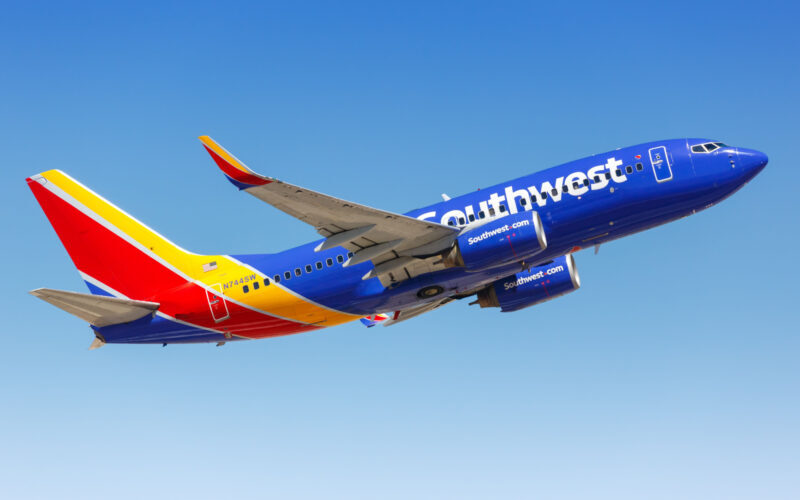
Southwest Airlines has rolled out sweeping changes to its fare and fee structure, triggering sharply divided reactions from customers and marking one of the most significant shifts in the carrier’s business model in decades. The updates bring Southwest closer to the practices of other major U.S. airlines, while ending several long-standing policies that had defined its brand.
Under the new structure, Southwest has introduced charges for checked luggage and seat selection, eliminating its widely promoted policy of two free checked bags and its open seating model. For years, those features helped distinguish the airline from competitors and fostered strong customer loyalty. Their removal has prompted backlash from some frequent flyers who argue that the airline is abandoning its customer-friendly roots.
Critics of the changes have described the new fees as price-gouging, particularly at a time when many travelers are already frustrated by rising airfares and ancillary charges across the industry. Some longtime customers say the simplicity of Southwest’s pricing was a key reason they chose the airline, and that the added fees undermine that value proposition. Social media and customer forums have been filled with complaints from passengers who feel the airline is becoming indistinguishable from rivals it once set out to disrupt.
At the same time, other travelers have welcomed parts of the overhaul, especially the option to select seats in advance. The end of open seating addresses a common pain point for customers who disliked lining up early or worrying about boarding positions. For families, business travelers, and those with specific seating preferences, assigned seats are seen as a practical improvement that adds predictability to the travel experience.
From a financial perspective, Southwest Airlines has made clear that the changes are designed to drive revenue growth and better align the carrier with evolving customer behavior. The airline expects the new seating model alone to generate around $1 billion in additional revenue in 2026, with even higher returns projected for 2027 as the system matures and adoption increases. Baggage and seat fees are also expected to provide a meaningful boost to ancillary revenue.
Industry analysts note that the move reflects broader pressures facing airlines, including higher operating costs, aircraft delivery delays, and investor demands for improved margins. While Southwest built its reputation on simplicity, the airline has increasingly signaled that maintaining profitability requires rethinking legacy policies that limit revenue opportunities.
Whether the strategy succeeds will depend largely on how many customers stay loyal and how effectively Southwest communicates the value of its new options. The airline is betting that the added flexibility and clearer product differentiation will outweigh the loss of its most iconic perks. For now, the response remains mixed, highlighting the delicate balance between revenue growth and brand identity in today’s highly competitive airline market.
Related News: https://airguide.info/category/air-travel-business/airline-finance/
Sources: AirGuide Business airguide.info, bing.com