
United Draws Line on O’Hare Gate Fight With American

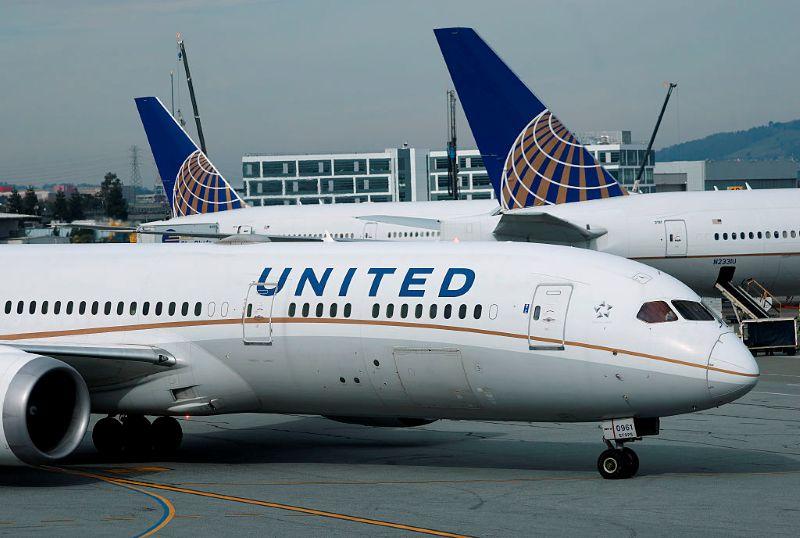
United Airlines has drawn a firm line in its long-running competitive battle with American Airlines at Chicago O’Hare International Airport, signaling it will actively block any effort by its rival to gain additional gates in 2026.
Speaking about the dispute, Scott Kirby said United will not allow American to expand its physical footprint at O’Hare, one of the most strategically important hubs in the United States. The airport remains a critical battleground for both carriers, shaping connectivity across domestic and international networks.
Currently, United Airlines controls 95 gates at Chicago O’Hare International Airport, while American Airlines operates from 59 gates. American has outlined plans to boost its schedule to more than 500 daily departures next year, an aggressive move intended to rebuild relevance at the airport after years of retrenchment. United, however, has responded by matching American’s route additions, ensuring that its own scale and gate utilization remain dominant.
Kirby framed the issue as one of economic reality rather than rivalry alone. He pointed to United’s strong financial performance at O’Hare, noting that the airline generated roughly $500 million in profit at the airport last year. In contrast, he said American lost a similar amount operating from the same hub. Based on current trends, Kirby suggested American’s losses at O’Hare could grow to as much as $1 billion, raising questions about the sustainability of its expansion plans.
United argues that gate allocation should reflect efficient use and financial performance, rather than ambitions to grow at any cost. By matching American’s capacity increases, United aims to prevent unused or underutilized gates from becoming available for reassignment, effectively freezing the current balance of power. The strategy underscores how gate control at constrained airports can be as decisive as fleet size or route networks.
For American, the push to expand at O’Hare is part of a broader effort to regain share in key hubs and demonstrate relevance in markets where it has historically lagged United and Delta. The airline believes higher frequency and broader connectivity are essential to attracting corporate travelers, even if near-term losses persist.
Industry analysts see the standoff as emblematic of the intensifying competition at major U.S. hubs, where infrastructure limits force airlines into zero-sum battles. Gates, slots, and terminal access have become strategic weapons, especially as post-pandemic demand remains strong and carriers look to lock in long-term advantages.
With 2026 approaching, the O’Hare gate dispute is likely to escalate, potentially drawing in airport authorities and regulators. For now, United’s message is clear: it intends to defend its dominant position at Chicago’s busiest airport, even if that means a prolonged and costly showdown with its hometown rival.
Related News: https://airguide.info/category/air-travel-business/airline-finance/
Sources: AirGuide Business airguide.info, bing.com