
Ryanair Sees Higher Fares and Passenger Growth Ahead

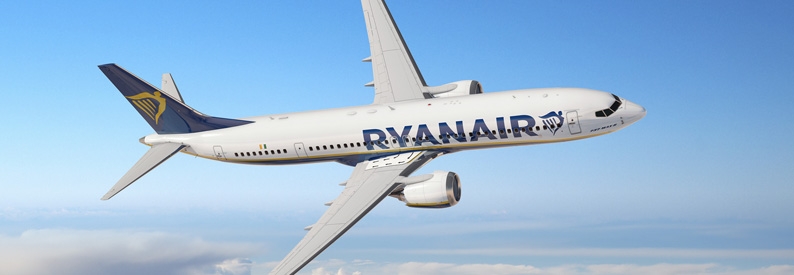
Ryanair expects to modestly increase fares and carry a record number of passengers in the coming year, reflecting continued demand for low-cost air travel across Europe and beyond. Chief executive Michael O’Leary said the airline anticipates average fares will rise between 2% and 4%, while total passenger numbers are projected to climb to 215 million, up from an estimated 207 million in the current year.
The forecast underscores Ryanair’s confidence in sustained consumer demand, even as travelers remain sensitive to pricing. O’Leary noted that fare increases are expected to be moderate and largely driven by higher operating costs rather than any shift in the airline’s low-fare business model. Ryanair has consistently positioned itself as a volume-driven carrier, prioritizing high load factors and rapid aircraft utilization to keep unit costs low.
Passenger growth is expected to be supported by additional capacity, expanded routes and improved operational reliability following recent delivery delays. Ryanair has faced challenges in recent years due to disruptions in aircraft handovers, which constrained growth and forced schedule adjustments. Despite these issues, the airline has continued to post strong traffic figures, benefiting from travelers trading down from full-service carriers in search of cheaper fares.
O’Leary also addressed geopolitical and trade-related risks, particularly the potential impact of an EU-US trade dispute. He said he is not confident that Boeing would absorb the cost of tariffs if a trade war were to escalate, raising concerns about higher aircraft acquisition costs. Ryanair is one of Boeing’s largest customers in Europe, with a fleet heavily centered on the 737 family, making it especially exposed to any cost increases linked to tariffs or supply chain disruptions.
Higher aircraft costs could eventually feed into fare pricing across the industry, although O’Leary emphasized that Ryanair would continue to focus on maintaining its cost advantage over competitors. The airline has historically used its scale and purchasing power to negotiate favorable terms with suppliers, a strategy that has helped it weather periods of rising costs in fuel, labor and airport charges.
Looking ahead, Ryanair’s outlook reflects a cautious balance between growth and profitability. While the airline remains optimistic about passenger demand, it continues to flag external risks ranging from fuel price volatility to regulatory changes and geopolitical uncertainty. Still, with a strong balance sheet, a large order book and a clear low-cost strategy, Ryanair believes it is well positioned to deliver higher traffic and modestly higher fares in the year ahead, reinforcing its position as Europe’s largest airline by passenger numbers.
Related News: https://airguide.info/category/air-travel-business/airline-finance/
Sources: AirGuide Business airguide.info, bing.com