
UPS Pilots Back Fatigued Pilot Protection Act to Close Safety Gap

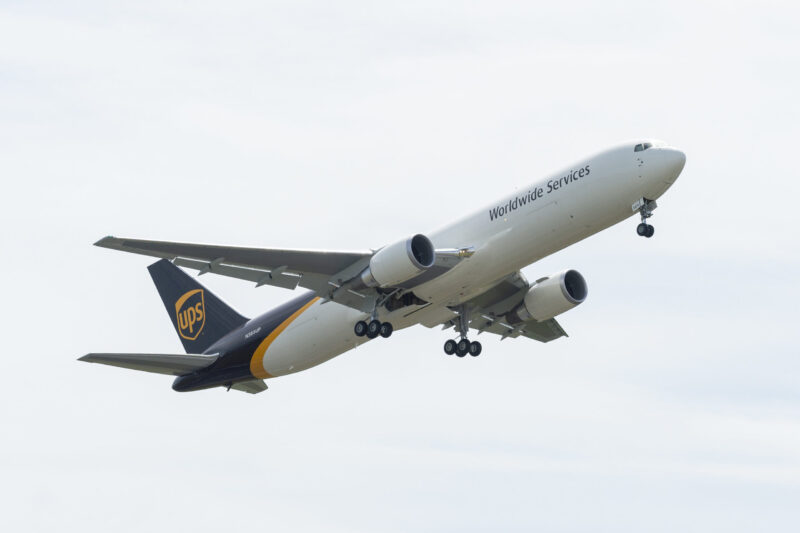
The union representing pilots at UPS has voiced strong support for new federal legislation aimed at closing what it describes as a long-standing safety gap between passenger and cargo aviation. The proposed Fatigued Pilot Protection Act would require commercial pilots to follow the same flight time and rest rules regardless of whether they are flying passengers or cargo.
The Louisville-based Independent Pilots Association, which represents nearly 3,500 pilots at UPS Airlines, says current regulations create a two-tiered safety system. Captain Robert Travis, head of the union, argues that cargo pilots often face higher fatigue risks because they are excluded from updated standards that apply to passenger carriers.
Under rules introduced by the Federal Aviation Administration in 2014, passenger airlines are required to comply with FAR Part 117, which sets stricter limits on flight duty periods and mandates minimum rest times. Cargo operators, however, were excluded from these updated requirements and continue to operate under older regulations.
Travis said the disparity is especially concerning given that cargo and passenger aircraft frequently operate in the same airspace, often flying parallel approaches into major airports such as New York, Chicago, Washington, and Dallas-Fort Worth. Despite similar operating environments, cargo pilots may work longer or more demanding schedules, particularly during overnight operations.
The issue of fatigue in cargo aviation gained national attention following the crash of UPS Flight 1354 in Birmingham, Alabama, in 2013. The aircraft, operating from Louisville, crashed during approach, killing both pilots. The National Transportation Safety Board cited multiple contributing factors, including crew fatigue. However, an NTSB member later noted that the newer passenger fatigue rules would not necessarily have changed the outcome of that specific accident.
Supporters of the Fatigued Pilot Protection Act say the legislation is about prevention rather than revisiting past incidents. Travis, who has been meeting with lawmakers in Washington, said the union believes it is only a matter of time before another fatigue-related accident occurs if the regulatory gap remains unaddressed.
Not everyone in the industry agrees. The Cargo Airline Association has opposed the proposal, arguing that cargo operations differ fundamentally from passenger flights. In a statement, the association said it supports existing FAA regulations and opposes shifting to what it described as passenger-centric requirements, maintaining that cargo carriers operate under a distinct but equally safe framework.
As lawmakers debate the measure, the discussion highlights growing scrutiny of pilot fatigue across all sectors of commercial aviation. The outcome could have significant implications for cargo airlines, pilot scheduling practices, and broader aviation safety standards in the United States.
Related News: https://airguide.info/?s=UPS, https://airguide.info/category/air-travel-business/travel-health-security/
Sources: AirGuide Business airguide.info, bing.com, spectrumnews1.com