
FAA Urges Faster Foreign Approval of US Aircraft Certifications

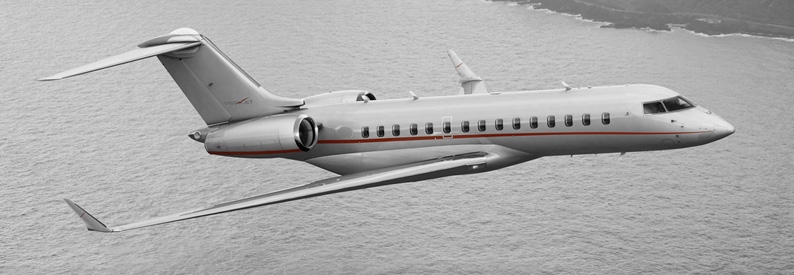
Federal Aviation Administration is pressing foreign aviation authorities to accelerate the certification of US-made aircraft, warning that lengthy validation processes risk undermining fair competition in the global aerospace market. Speaking on the sidelines of the Changi Aviation Summit in Singapore, FAA Administrator Bryan Bedford said the agency is concerned that other countries are not allocating sufficient resources to certify US aerospace products.
Bedford’s comments come amid rising political and regulatory tensions following remarks by Donald Trump, who recently threatened to decertify newly built Canadian aircraft unless Canada approves new business jets produced by US manufacturer Gulfstream Aerospace. While Bedford stopped short of endorsing such measures, he emphasised that the FAA expects reciprocal treatment when it certifies foreign aircraft for operation in the United States.
“Our concern is whether sufficient resources are being applied to US products equal to the resources we apply to certify foreign products,” Bedford said, according to reports by Bloomberg and Reuters. “We just want a level playing field.” He added that, in principle, foreign regulators should be able to validate FAA certifications without delays stretching into many years.
Bedford did not indicate that the FAA would revoke safety approvals for Canadian-built aircraft, noting that aircraft type certification in the US falls under the authority of the FAA, not the presidency. The suspension or withdrawal of a type certificate is extremely rare and typically follows serious safety incidents or accidents.
The comments follow ongoing delays in Canada’s certification of Gulfstream’s G700 and G800 business jets, both of which were approved by the FAA in 2025. According to Canadian industry minister Mélanie Joly, certification has been held up by additional fuel-icing tests, though she said the process is progressing. Both the FAA and the European Union Aviation Safety Agency granted Gulfstream a temporary exemption through the end of 2026 to complete further testing and address potential fuel system icing risks. Canada chose not to grant a similar exemption.
Canada’s Department of Transport said it is working to resolve outstanding certification issues while maintaining safety standards and regulatory integrity, as well as preserving market access between the two countries.
Meanwhile, the FAA has moved to counter online misinformation after a fabricated emergency airworthiness directive began circulating on social media. The false document claimed that all aircraft assembled in Canada would have their US type certificates revoked immediately. The FAA confirmed that no such directive has been issued, and no corresponding notice has appeared in the US Federal Register.
The episode highlights growing friction between regulatory independence, safety oversight, and geopolitical pressure, as the FAA seeks faster foreign validation of US aircraft without compromising international safety standards.
Related News: https://airguide.info/category/air-travel-business/airline-finance/
Sources: AirGuide Business airguide.info, bing.com, ch-aviation.com