
Cuba Warns Airlines of Fuel Shortages After Trump Tariff Threat

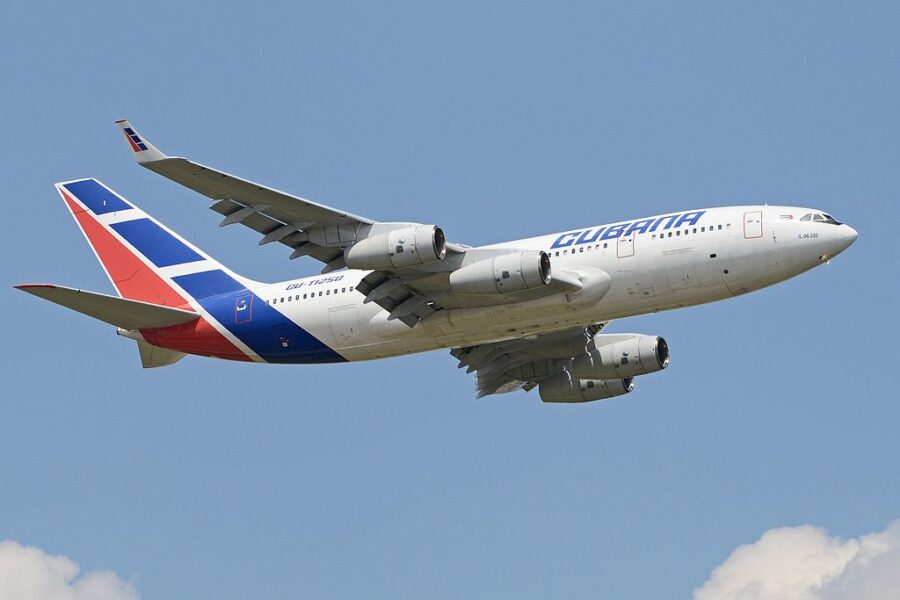
Cuba has warned international airlines that they will be unable to refuel at Havana’s main airport for at least a month, as the island faces an acute aviation fuel shortage following renewed pressure from the United States. The move raises the risk of widespread flight suspensions and further isolates the country at a time when tourism remains a critical source of hard currency.
According to a notice issued by the Federal Aviation Administration, A-1 jet fuel will not be available at José Martí International Airport from Tuesday Feb. 10 through March 11. The warning follows threats by Donald Trump to impose tariffs on any country supplying oil to Cuba, a move aimed at tightening economic pressure on the government in Havana.
Cuba’s fuel situation has been described as critical by Kremlin spokesman Dmitry Peskov, speaking to Russian news agency Interfax. While he acknowledged the severity of the shortage, he did not indicate whether Russia intends to step in with additional oil supplies. The uncertainty has already had tangible consequences for air connectivity.
Aeroflot, Russia’s largest carrier, cancelled its scheduled commercial flight to Cuba on Monday and instead dispatched an empty aircraft to repatriate stranded tourists, according to Russia’s tour operators association. Aeroflot has since suspended all flights to Cuba until late March. The association estimates that around 4,500 Russian tourists are currently on the island, underscoring the immediate impact on one of Cuba’s key tourism markets.
Beyond tourism revenue, commercial flights play an essential role in supplying everyday goods to the island. Travelers often act as informal importers, bringing food, medication, and consumer products in their luggage. These so-called “mules” have become an important lifeline for Cuba’s cash-strapped population as shortages of basic goods persist.
Washington’s pressure campaign intensified in early January, when fuel shipments from Cuba’s main ally, Venezuela, were effectively cut off. That move followed the removal of socialist leader Nicolás Maduro to face narco-terrorism charges in New York, further constraining Havana’s access to energy supplies.
The Cuban government has said it remains open to dialogue with the United States but insists that its one-party political system is not negotiable. In response to the worsening crisis, authorities announced contingency measures last week, including reducing public transport routes, shortening the work week to Monday through Thursday, and shifting some university classes online. Several resorts have also been shut down, with tourists consolidated into fewer hotels in an effort to maximise foreign revenue during the peak season.
Cuba has pledged to accelerate its transition toward solar energy as part of a longer-term response. The island’s fragile power grid suffered multiple nationwide blackouts over the past year, highlighting the depth of the infrastructure challenge.
International assistance has begun to arrive. Mexico dispatched two navy vessels on Sunday carrying more than 800 tonnes of humanitarian aid, including food and hygiene supplies. Even so, the fuel shortage threatens to further disrupt air service, tourism, and supply chains, deepening the economic strain on the island as geopolitical tensions continue to rise.
Related News: https://airguide.info/?s=cuba
Sources: AirGuide Business airguide.info, bing.com, reuters.com