
Air France-KLM Warns EU SAF Rules Threaten Asia Routes

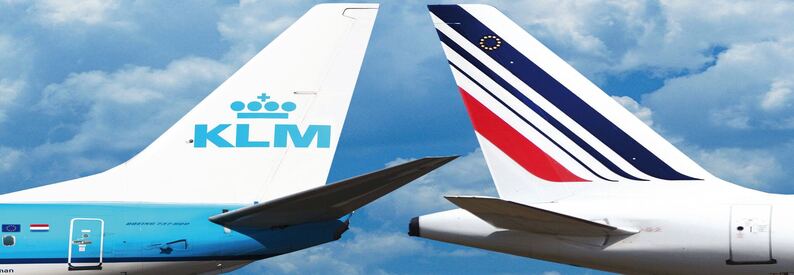
Air France-KLM has warned it may be forced to cut up to half of its Asia-bound flights if the European Union continues implementing climate policies that require airlines to increase their use of costly sustainable aviation fuel.
The group argues that current EU regulations, including mandated SAF blending requirements, are creating a competitive imbalance between European carriers and non-European rivals. SAF remains significantly more expensive than conventional jet fuel, increasing operating costs for airlines subject to the bloc’s environmental framework.
Chief Executive Officer Benjamin Smith said European airlines face a structural disadvantage because competitors based outside the EU are not subject to the same regulatory burden. According to Smith, Europe’s approach risks distorting competition on long-haul routes, particularly to Asia, where carriers from the Middle East and Asia often operate with lower cost structures.
Under EU climate policies, airlines must progressively increase the proportion of sustainable aviation fuel used on flights departing from European airports. While SAF is widely regarded as a critical tool for reducing aviation emissions, limited supply and high production costs have kept prices well above those of traditional kerosene.
Air France-KLM says the additional expense could make certain long-haul routes economically unviable if competitors are not bound by similar obligations. Asia routes are particularly sensitive, as they involve long distances, high fuel consumption and intense competition from non-European airlines operating through global hub airports.
The group has emphasized that it supports decarbonization goals and investment in sustainable fuels. However, it is calling for measures that ensure a level playing field, such as coordinated international climate policies or mechanisms to prevent traffic leakage to airports outside the EU.
Industry analysts note that long-haul networks are especially vulnerable to regulatory asymmetries. If European carriers reduce frequencies or withdraw from certain markets, competitors could capture market share, potentially shifting traffic flows and weakening European aviation hubs.
The debate highlights the broader challenge facing policymakers: balancing ambitious climate targets with the economic competitiveness of airlines operating in a global marketplace. As SAF mandates ramp up in the coming years, tensions between environmental objectives and commercial realities are likely to intensify across the European aviation sector.
Related News: https://airguide.info/category/air-travel-business/airline-finance/
Sources: AirGuide Business airguide.info, bing.com