
Airbus Blasts Pratt Over A320neo Engine Delays

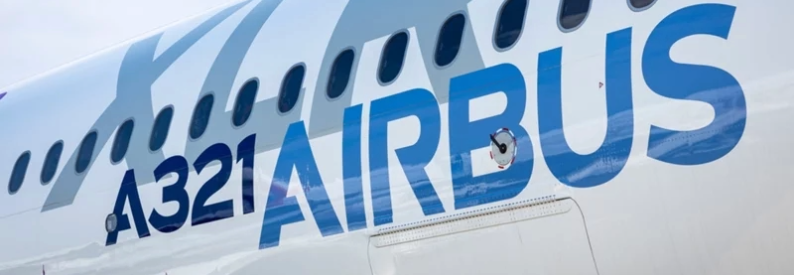
Airbus has publicly criticised engine supplier Pratt & Whitney over persistent delivery shortfalls that will cap A320neo family production rates through at least 2027.
Chief executive Guillaume Faury said Airbus must “bite the bullet” and accept lower output levels due to engine supply constraints, even though the airframer’s industrial system could support higher volumes. Airbus now expects to deliver around 870 aircraft in 2026, despite having internal capacity to exceed 900 deliveries under normal supply conditions.
The bottleneck primarily affects the A320neo family, one of the world’s best-selling single-aisle aircraft lines. Airbus had been targeting a steady ramp-up toward a monthly production rate of 75 A320neo-family aircraft by the end of 2026. However, that milestone may now be delayed, with output potentially remaining below the 75-per-month threshold before stabilising.
The production strain has also spilled over into the A220 programme. Airbus has revised its expectations for the smaller single-aisle jet, pushing its target rate of 13 aircraft per month back to 2028. The A220 relies on Pratt & Whitney’s geared turbofan engines, which have been at the centre of durability concerns and expanded maintenance requirements across the global fleet.
Faury indicated that the supplier’s difficulties are driven largely by inspection and maintenance demands on in-service engines. Pratt & Whitney has been managing accelerated checks and component replacements linked to materials issues, which have temporarily removed aircraft from airline fleets and placed additional pressure on spare engine availability.
The ongoing engine shortages are reverberating across the commercial aviation sector, affecting airline capacity planning and fleet expansion timelines. Carriers awaiting A320neo and A220 deliveries may face extended lead times, while Airbus must recalibrate production schedules to align with engine availability rather than airframe capability.
Despite the headwinds, Airbus maintains strong order backlogs for both programmes and continues to invest in industrial readiness for future rate increases. However, the latest comments signal growing frustration within the European manufacturer as supply chain constraints, particularly in propulsion systems, continue to shape output strategy well into the second half of the decade.
Related News: https://airguide.info/category/air-travel-business/airline-finance/
Sources: AirGuide Business airguide.info, bing.com, ch-aviation.com