
Southwest Assigned Seating Signals Industry Shift

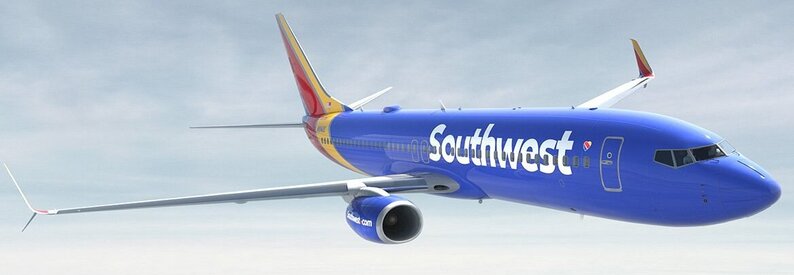
For more than 50 years, Southwest Airlines distinguished itself from other major carriers with its open seating model. Instead of choosing seats at booking, passengers checked in 24 hours before departure and received a boarding group and number. Once onboard, they selected any available seat. There were no seat assignment fees, no traditional first-class cabin and no guarantees that companions would sit together unless they boarded early.
That era has ended.
As of January 27, 2026, Southwest introduced assigned seating and a tiered boarding structure, aligning more closely with competitors such as American Airlines, Delta Air Lines and United Airlines. Travelers now receive seat assignments, including newly created extra-legroom options, and boarding priority is determined by fare type and loyalty status.
The move marks one of the most significant strategic changes in Southwest’s history and reflects broader industry realities around revenue and customer expectations.
Why Southwest made the change
Under the previous system, passengers were assigned boarding positions such as A23 or B47, determining when they could board and choose seats. Early boarding meant more options, while late check-in often resulted in middle seats or separation from travel companions. The airline also sold EarlyBird Check-In to improve boarding position.
While operationally efficient, the model limited ancillary revenue. Competitors generate billions annually through seat selection fees, premium seating upgrades and bundled fare options. Analysts suggest Southwest expects assigned seating and tiered boarding to significantly increase profitability.
The airline has also cited changing customer preferences. According to Southwest, 80% of its customers and 86% of travelers who choose other airlines prefer assigned seats.
How the new system works
Southwest now offers three seating categories: Extra Legroom seats at the front and exit rows with additional legroom and complimentary premium beverages; Preferred seats with standard legroom near the front; and Standard seats toward the rear of the aircraft.
Boarding is divided into eight groups, ranging from preboard and priority customers to elite A-List members and credit card holders, down to basic fare passengers.
Efficiency versus revenue
Airplane boarding has long been studied by researchers. Models such as the Steffen Method and the WILMA approach have demonstrated theoretical efficiency gains by reducing aisle congestion and seat interference. Even MythBusters found that random boarding without seat assignments—similar to Southwest’s former system—could be fastest.
However, boarding decisions are driven by more than speed. Airlines must balance operational efficiency with revenue generation, loyalty incentives and passenger expectations.
Southwest’s shift underscores an industry-wide convergence toward assigned seating and tiered boarding, where ancillary revenue and customer segmentation increasingly shape the air travel experience.
Related News: https://airguide.info/category/air-travel-business/airline-finance/
Sources: AirGuide Business airguide.info, bing.com, aviationweek.com, cnbc.com