
Global Travel Chaos After Iran Conflict Leaves Flights Cancelled

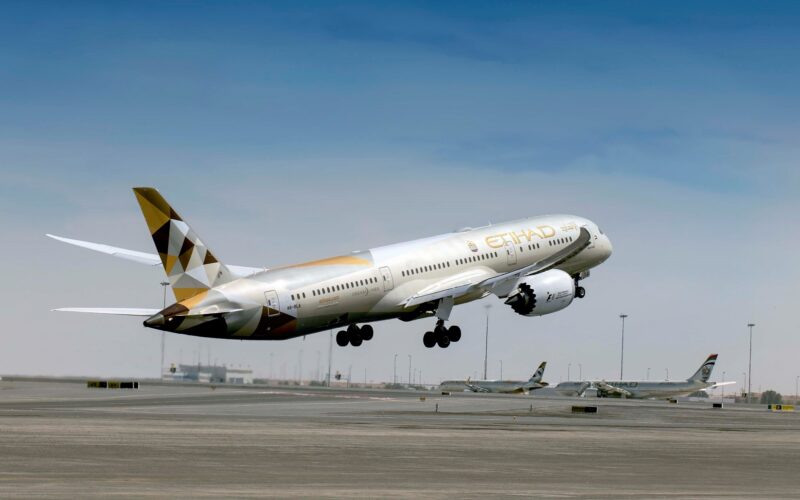
Global air travel has been plunged into severe disruption, with thousands of flights cancelled and hundreds of thousands of passengers stranded worldwide following escalating conflict in the Middle East. Major airlines and airports remain affected by widespread airspace closures triggered by US and Israeli strikes on Iran and subsequent military retaliation, resulting in what analysts are calling the most significant aviation crisis since the Covid-19 pandemic.
The crisis began late last week when the United States and Israel launched military strikes against Iran, prompting that country to retaliate with missile and drone attacks across the region. In response, multiple nations including Iran, Iraq, Kuwait, Qatar, the United Arab Emirates and others closed or restricted their airspace to civilian flights, effectively halting commercial operations at key hubs such as Dubai International Airport, Abu Dhabi International Airport and Hamad International Airport in Doha.
According to aviation data firms, thousands of flights — from long-haul international services to regional connections — have been cancelled as carriers suspend operations for safety reasons. Major Gulf carriers such as Emirates, Etihad and Qatar Airways have grounded the bulk of their schedules, and several international airlines have also adjusted or cancelled routes to avoid the closed airspace. European and American airlines have extended suspensions or reroutes through southern corridors, increasing flight times and operational costs.
Thousands of passengers who had planned travel through the Gulf region are now stuck in airports, hotels and transit points across Asia, Europe, Africa and the Middle East. Governments around the world are scrambling to assist their citizens, arranging limited evacuation and repatriation flights to clear backlog and reduce the humanitarian strain on travellers. Some special services have begun departing from hubs like the UAE, but the majority of scheduled commercial flights remain grounded or heavily constrained.
The fallout extends beyond passenger inconvenience. Global airlines and travel companies have reported financial losses, airline stocks have been hit, and route networks are facing prolonged disruption as carriers reroute around closed skies. Fuel prices have also been affected given concerns about shipping through the strategically vital Strait of Hormuz. Analysts warn that restoring full flight schedules will be complex due to dispersed crews, aircraft and ongoing geopolitical uncertainty.
Passengers booked on affected flights are advised to check with their airlines for rebooking, refunds or alternate routes. Travel insurers and regulatory frameworks in various regions are also issuing guidance for compensation and rights in light of the extraordinary circumstances. The situation remains fluid, and travellers should stay updated on official travel advisories as conflict dynamics evolve.
Related News: https://airguide.info/category/air-travel-business/travel-health-security/, https://airguide.info/category/air-travel-business/airline-finance/
Sources: AirGuide Business airguide.info, bing.com