
U.S. Tariffs Impact Aviation Industry Growth and Costs

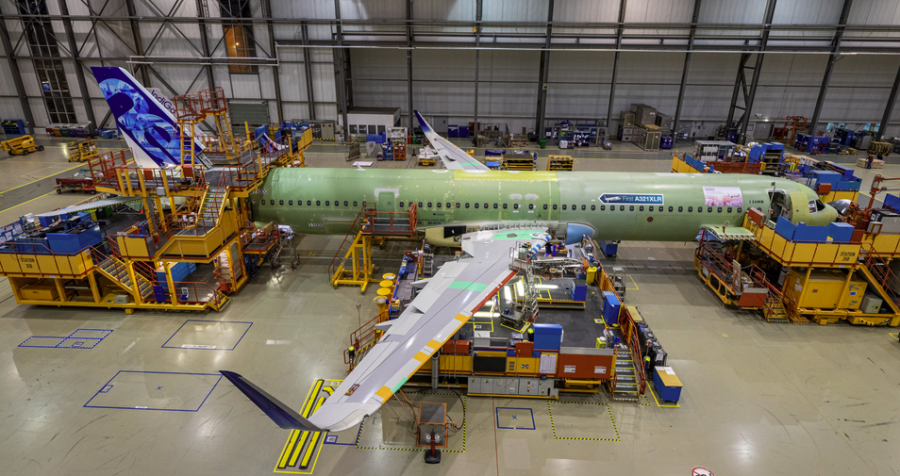
U.S. tariffs impact and disrupt aviation growth and cost stability. The renewed cycle of U.S. tariff hikes and subsequent legal challenges is creating mounting uncertainty for the global aviation industry, a sector built on long-term planning, international supply chains and multibillion-dollar capital commitments. Since the new Trump administration introduced sweeping tariffs under a 1970s emergency statute, manufacturers, suppliers and airlines have faced constant policy shifts that are complicating aircraft production, fleet investment and maintenance planning.
The aviation and automotive sectors are among the most exposed U.S. industries because both rely heavily on globally integrated supply chains. Commercial aircraft assembled in the United States contain engines, avionics, landing gear, composites and electronic systems sourced from multiple countries. Components often cross borders several times before final assembly. Frequent tariff adjustments therefore ripple across every tier of the aerospace ecosystem, from raw materials and sub-assemblies to finished aircraft deliveries.
For manufacturers such as Boeing and suppliers supporting Airbus operations in the United States, fluctuating import duties can raise production costs, disrupt supplier contracts and complicate pricing agreements negotiated years in advance. Aircraft programs typically run on multi-decade timelines, with parts ordered long before delivery. Sudden trade policy changes introduce cost volatility that is difficult to hedge.
Airlines and lessors are equally affected. Purchasing new aircraft, planning maintenance cycles and forecasting operating costs depend on stable input pricing. Tariffs on spare parts and critical systems increase maintenance, repair and overhaul expenses, squeezing margins in an industry already characterized by thin profitability and high capital intensity. Even modest increases in parts pricing can cascade into higher lease rates, adjusted fleet plans or delayed deliveries.
The uncertainty has been compounded by a recent Supreme Court ruling that found President Trump overstepped his authority in imposing broad tariffs under emergency powers. While the legal debate centers on executive authority and trade law, the aviation implications are substantial. If tariff policy is revised, rolled back or restructured, manufacturers and operators may again need to recalibrate supply contracts, sourcing strategies and financial forecasts.
In an industry where efficiency, predictability and long-term investment cycles are essential to profitability, ongoing tariff volatility is more than a political issue. It is a structural challenge to growth, cost control and global competitiveness.
Tariffs, Aerospace and Aircraft Costs
Aircraft manufacturing is deeply globalized. Commercial jets built by companies such as Boeing and Airbus rely on international supply chains spanning engines, avionics, landing gear, composites and electronics. Many components cross borders multiple times before final assembly. Higher tariffs on imported parts increase production costs for manufacturers and suppliers. Even if final aircraft are assembled domestically, key subsystems, including engines, turbine components and advanced materials, often originate abroad. Tariffs can therefore raise costs at every tier of the supply chain.
How Much of a Boeing or Airbus Jet is Made with Imported Content
Available data suggests about how much of a Boeing or Airbus aircraft is made with imported content expressed in broad approximate percentages based on 2025–26 aerospace supply chain estimates:
Boeing Aircraft
- Boeing’s foreign-sourced material content could be roughly 20%–40% of aircraft value, depending on model and subsystem (higher for parts like avionics, engines from international partners).
- Boeing reports that about 80% of its supply chain spending and workforce are U.S.-based, meaning the remaining ~20% of parts and labor value comes from international suppliers or offshore operations.
- However, independent industry assessments show significant foreign content: roughly 40%–50% of parts on a Boeing 737 are obtained from foreign suppliers, including avionics, structural components and subsystems, reflecting deep globalization.
Taken together, this suggests U.S. domestic content on Boeing commercial aircraft likely falls roughly in the 50%–80% range by value, with up to about 20%–50% coming from imported components.
Airbus Aircraft
- Airbus commercial jets typically show import or external content in a similar or even higher range, likely 30%–50% foreign-sourced, especially for systems and materials not manufactured within the U.S. or EU.
- Airbus works with a highly integrated pan-European supply chain and also sources many parts internationally.
- Official data indicates that some Airbus programs have a relatively lower U.S. supplier share (examples from similar aircraft programs suggest 33%–47% U.S content depending on model).
- Airbus also directly supports U.S. suppliers: one A380 variant had about 51% American content by work share value, and Airbus contracts support significant U.S. jobs and parts production.
These percentages matter because global sourcing significantly amplifies the economic impact of trade policy decisions on aviation manufacturing and delivery costs. Commercial aircraft are assembled at final-assembly facilities, such as Boeing’s plants in the United States and Airbus facilities in Europe or Mobile, Alabama, but many critical components, including engines, avionics, landing gear, carbon composites and advanced electronics, are produced across multiple countries. These parts often cross international borders several times during the production process before reaching final assembly.
Airlines and Fleet Expansion
Airlines and aircraft lessors are directly exposed to tariff-driven cost volatility. Fleet acquisition, long-term maintenance planning and operating cost forecasting all depend on predictable input pricing across engines, components and aftermarket support. When tariffs are applied to spare parts, avionics, structural assemblies or engine modules, maintenance, repair and overhaul (MRO) costs rise almost immediately. In an industry defined by thin operating margins and heavy capital commitments, even small percentage increases in parts pricing can materially affect profitability.
For airlines, higher aircraft production costs typically translate into higher purchase prices or lease rates. If manufacturers pass along tariff-related increases, carriers planning fleet renewals or network expansion may face higher capital expenditures at precisely the moment they are trying to modernize fleets for fuel efficiency and emissions reduction. This can slow growth plans, alter aircraft mix decisions or extend the life of older, less efficient jets.
Widebody and narrowbody aircraft orders are commonly negotiated years before delivery, often supported by complex financing structures involving export credit agencies, banks and leasing firms. Prolonged tariff uncertainty complicates these negotiations, as parties attempt to price in future trade risks. Delivery schedules can also be affected if suppliers adjust sourcing strategies or renegotiate contracts.
Aircraft leasing companies, which act as key intermediaries between manufacturers and airlines, may respond by revising residual value assumptions and adjusting lease pricing models to reflect higher input and maintenance costs. In turn, this can ripple through the broader aviation finance ecosystem, influencing capital flows, aircraft valuations and long-term fleet economics.
Maintenance, Spare Parts and MRO
The aviation aftermarket could feel immediate effects. Maintenance, repair and overhaul (MRO) providers rely heavily on globally sourced spare parts. Tariffs on components such as engine modules, avionics systems and structural elements can quickly increase maintenance expenses, costs that airlines ultimately have to absorb.
In an industry that is capital-intensive and highly cost-sensitive, even modest percentage increases in parts pricing can erode margins and affect overall profitability. Many critical components — including engines, landing gear, carbon composites and advanced electronics — are produced across multiple countries and integrated into complex supply chains.
These parts often cross international borders several times during manufacturing before reaching final assembly. As a result, even aircraft assembled domestically contain substantial foreign value content, leaving both operators and maintenance providers particularly exposed to tariffs, trade restrictions and broader shifts in global supply chain dynamics.
Cargo and Air Freight
Air cargo operators are particularly sensitive to tariff-driven trade shifts. Import duties generally suppress trade volumes by raising the cost of goods, which can dampen demand for cross-border shipments. Because air freight specializes in high-value, time-sensitive products such as electronics, pharmaceuticals, aerospace components and advanced manufacturing goods, even modest slowdowns in trade can disproportionately affect cargo yields and load factors.
Reduced export-import flows between major economies can lead to weaker transpacific and transatlantic air cargo demand, pressuring rates and aircraft utilization. For integrated carriers and combination airlines that rely on belly cargo revenue from passenger flights, this can further squeeze margins.
At the same time, shifting trade patterns may generate new regional corridors or rerouting opportunities. Manufacturers may redirect supply chains to alternative markets to avoid tariffs, potentially boosting intra-Asia, Latin American or intra-European air freight activity. However, this realignment introduces volatility and operational complexity, requiring carriers to adjust network planning, fleet deployment and pricing strategies in response to rapidly evolving trade dynamics.
Jet Fuel and Secondary Effects
While tariffs do not directly target jet fuel, broader trade tensions can significantly influence global energy markets, currency exchange rates and inflation trends. Geopolitical instability tied to trade disputes often drives oil price volatility, particularly if tensions involve major energy-producing regions or disrupt shipping routes. Because jet fuel prices are closely linked to crude oil benchmarks, airlines can experience sudden shifts in fuel costs even when aviation is not explicitly included in tariff measures.
Currency movements also play a critical role. Many airlines purchase fuel in U.S. dollars, so fluctuations in exchange rates can amplify cost pressures for carriers operating in other currencies. A stronger dollar, combined with higher crude prices, can compound fuel expenses for international airlines.
Inflationary effects from tariffs may further increase input costs across labor, airport services and supply contracts. These macroeconomic pressures ultimately affect airline operating margins and can translate into higher ticket prices, reduced capacity growth or adjustments to route planning. In a globally interconnected industry like aviation, even indirect trade tensions can quickly ripple through fuel budgets and fare structures.
Revenue Reality vs. Industry Risk
The imposition of broad tariffs on globally integrated industries such as aviation is widely viewed by industry leaders as counterproductive. By increasing input costs, disrupting established supply chains and injecting volatility into long-term contracts, tariff policy can drive prices higher while undermining the stability that manufacturers and airlines depend on for strategic planning. Aircraft programs are designed and financed years in advance, and sudden shifts in trade policy complicate procurement decisions, supplier agreements and capital allocation.
Although tariffs are generating approximately $30 billion per month in federal revenue, about 5% of total government income, the aviation industry operates on thin margins and long, capital-intensive planning cycles that depend on stability and predictability. Aircraft development, certification, production and fleet deployment are structured over decades, with financing, supplier contracts and delivery schedules negotiated years in advance. Sudden policy shifts can delay aircraft deliveries, increase leasing costs, disrupt supply agreements, distort investment decisions and complicate global route planning.
By contrast, aviation contributes an estimated $1.8 to $2 trillion annually to the U.S. economy, supports more than 10 million jobs and remains one of the nation’s most important export sectors. As a cornerstone of trade, manufacturing and global connectivity, the industry plays a critical role in sustaining long-term U.S. economic competitiveness.
If the Supreme Court ruling ultimately curtails or reshapes executive tariff authority, aviation stakeholders will be monitoring developments closely. For an industry built on cross-border collaboration, international certification alignment and globally distributed manufacturing networks, trade policy is not abstract politics. It directly influences aircraft pricing, airline economics, maintenance costs and, ultimately, the fares paid by passengers.
Related News: https://airguide.info/category/air-travel-business/aircraft-finance/, https://airguide.info/?s=Airbus, https://airguide.info/?s=boeing, https://airguide.info/?s=tariffs
Sources: AirGuide Business airguide.info, bing.com, flightplan.forecastinternational.com, boeing.com, airbus.com