
Emirates Flight Turns Back Near Dubai Over Iranian Missile Threat

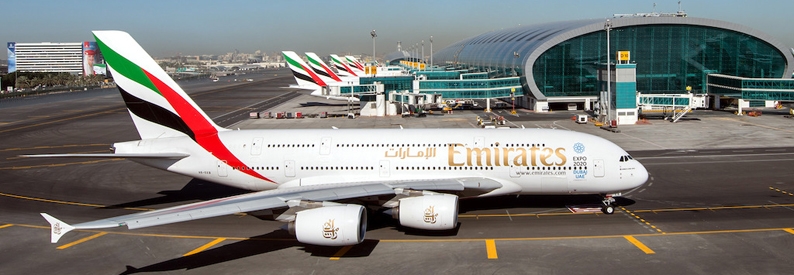
An Emirates flight bound for Dubai was forced to abruptly turn around just minutes before landing after a missile threat linked to the escalating conflict involving Iran disrupted airspace over the United Arab Emirates.
CNBC journalist Emma Graham was among the passengers on the flight, which had nearly completed its journey when the crew suddenly changed course. The aircraft was reportedly only about 30 minutes from Dubai when authorities warned of potential missile activity in the region, prompting the pilots to reverse direction as a precaution.
The incident highlights how rapidly the conflict in the Middle East is spilling into civilian aviation, creating unpredictable conditions for airlines and passengers alike. Over the past several days, missile launches and drone attacks connected to the regional escalation have triggered repeated airspace closures and flight diversions across the Gulf.
Passengers onboard initially believed they were beginning the final descent into Dubai when the aircraft unexpectedly banked away from the city. Cabin announcements later confirmed that the diversion was linked to security concerns following missile activity in the area.
For travelers on the flight, the sudden change created a tense and uncertain atmosphere. Many passengers followed updates on their phones as the aircraft diverted, trying to understand what was happening on the ground. For Graham, the experience offered a rare firsthand look at how geopolitical tensions can instantly affect commercial aviation.
The United Arab Emirates has been one of the countries directly impacted by the current conflict. Since late February, Iran has launched large numbers of missiles and drones toward Gulf targets, including locations in and around the UAE. Most projectiles have been intercepted by air defenses, but debris and security risks have forced authorities to temporarily close airspace and halt flights.
These conditions have disrupted thousands of flights across the Middle East, stranding passengers and forcing airlines to reroute aircraft to safer corridors. Major hubs such as Dubai and Abu Dhabi, normally among the busiest international transit points in the world, have faced sudden shutdowns and operational restrictions as defense systems intercept incoming threats.
Airlines operating long-haul routes between Europe, Asia, and Australia rely heavily on Gulf hubs for connections, meaning disruptions in the region ripple across global aviation networks. Carriers including Emirates, Qatar Airways, and other international airlines have had to adjust schedules, cancel flights, and divert aircraft in response to the evolving security situation.
For passengers on Graham’s flight, the diversion served as a stark reminder that even routine journeys can quickly become uncertain when geopolitical tensions escalate near major aviation corridors. As airlines continue monitoring the situation, safety remains the top priority while the region navigates one of the most volatile periods for air travel in years.
Related News: https://airguide.info/category/air-travel-business/airline-finance/
Sources: AirGuide Business airguide.info, bing.com