
Boeing Pauses 737 Max Deliveries Over Wiring Damage Issue

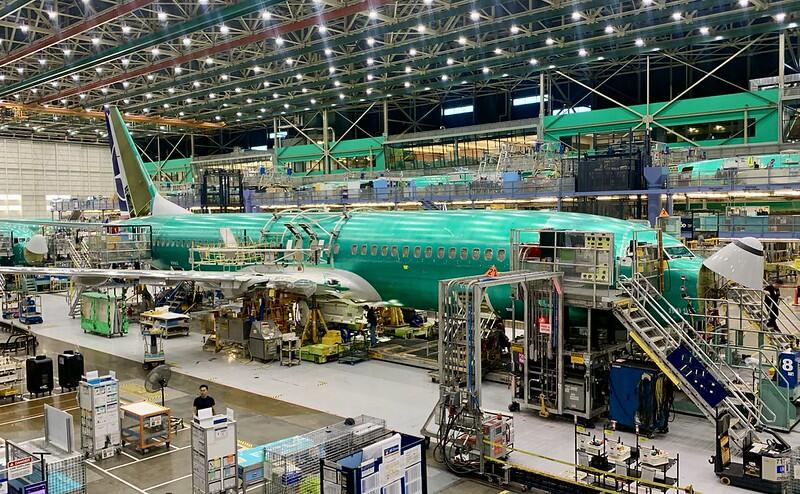
Boeing has temporarily halted deliveries of its 737 Max aircraft on Mar. 10 after discovering wiring damage on an unspecified number of jets awaiting delivery, prompting inspections and repair work before the planes can be handed over to airline customers.
The issue affects aircraft that have already been manufactured but have not yet been delivered. Boeing said it is assessing the full scope of the wiring damage and implementing corrective measures on affected airplanes before deliveries resume. The company has not disclosed exactly how many aircraft may require inspection or rework, but the pause is expected to temporarily slow the flow of new jets to airlines.
Boeing delivered about 528 commercial aircraft in 2025, including roughly 396 737 Max jets, making the narrowbody model the backbone of the manufacturer’s production and delivery activity. The company has a backlog of more than 4,000 orders for the 737 Max, underscoring the importance of maintaining a steady production and delivery flow.
Before the delivery halt, Boeing was producing around 42 737 Max jets per month at its Renton, Washington facility. This rate was approved by the FAA in October 2025, when regulators lifted the previous production cap of 38 aircraft per month imposed after the 2024 Alaska Airlines door-plug incident. Boeing plans to increase production to about 47 aircraft per month later in 2026 if quality and safety benchmarks are met.
According to industry sources, the problem involves wiring located in sections of the aircraft that require careful inspection and repair to ensure compliance with safety and manufacturing standards. While the issue does not appear to affect aircraft already in airline service, Boeing is conducting thorough checks to ensure all undelivered planes meet regulatory requirements before entering commercial operations.
The latest disruption adds to a series of production and quality challenges Boeing has faced in recent years with its best-selling narrowbody aircraft. The 737 Max program, which returned to service in late 2020 after a global grounding, has since experienced several manufacturing-related issues that have periodically slowed production and deliveries.
Aircraft deliveries are a crucial source of revenue for Boeing, as airlines typically make final payments only when planes are handed over. Any pause in deliveries can therefore have financial implications for the manufacturer as well as operational consequences for airlines waiting to expand or modernize their fleets.
Airlines around the world rely heavily on the 737 Max for short- and medium-haul routes due to its improved fuel efficiency and range compared with earlier generations of the aircraft. Carriers have placed thousands of orders for the type, making it one of the most important programs in Boeing’s commercial aircraft portfolio.
Industry analysts say Boeing’s decision to pause deliveries reflects the company’s current emphasis on quality control and regulatory compliance. Since early 2024, Boeing has faced increased oversight from aviation regulators, particularly the U.S. Federal Aviation Administration, which has imposed stricter production monitoring following several manufacturing incidents.
For airlines awaiting new aircraft, the delay could affect fleet planning and route expansions if delivery timelines shift significantly. However, Boeing has indicated that it is working quickly to assess the issue and complete any necessary repairs so deliveries can resume as soon as possible.
The situation underscores the continued pressure on Boeing to stabilize production and rebuild confidence in its manufacturing processes as it works to ramp up output of the 737 Max and other aircraft programs in the coming years.
Related News: https://airguide.info/?s=737, https://airguide.info/?s=FAA
Sources: AirGuide Business airguide.info, bing.com, reuters.com