
Lufthansa A380 “Berlin” Scrapped to Support Remaining Fleet

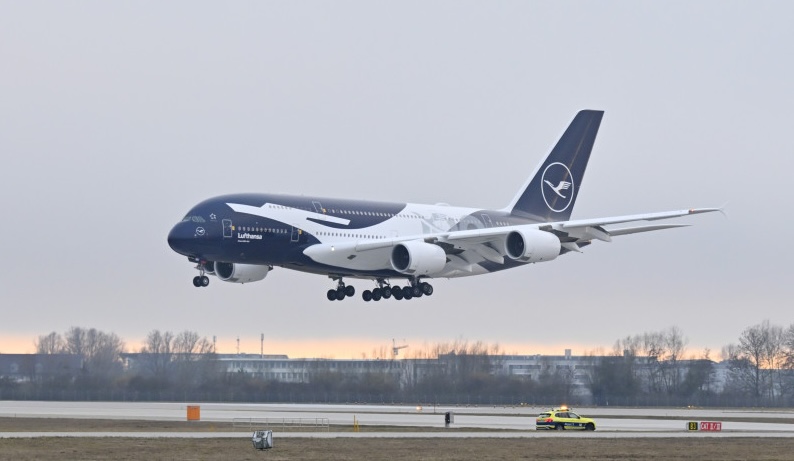
One of the world’s largest passenger aircraft, a four-engine Airbus A380 once operated by Lufthansa, has officially disappeared from the skies. The aircraft, named “Berlin,” has been dismantled and will now serve as a parts donor to help sustain the airline’s remaining A380 fleet.
The aircraft, built by Airbus, was capable of carrying around 500 passengers across two decks and was part of Lufthansa’s original order for the superjumbo jet. Like other A380s, it symbolized an era when airlines focused on moving large numbers of passengers through major hub airports using very large aircraft.
However, changing airline strategies and the impact of the pandemic dramatically reshaped the economics of operating the world’s largest passenger jet. Airlines increasingly shifted toward smaller, more fuel-efficient long-haul aircraft that offer greater flexibility on international routes.
The Lufthansa A380 named “Berlin” had been stored after flying for several years in the airline’s long-haul network. As Lufthansa evaluated its fleet strategy, the aircraft was ultimately removed from service and selected for dismantling rather than returning to active operations.
Instead of being preserved or sold, the aircraft has now been broken down so that valuable components can be reused. Engines, avionics, landing gear elements, and other major systems can be refurbished and installed on active aircraft, reducing maintenance costs and ensuring long-term operational support for the remaining A380 fleet.
Aircraft dismantling and recycling has become an increasingly common practice across the aviation industry. Modern airliners contain thousands of parts that can be reused or refurbished, extending the life of aircraft that remain in service while reducing waste and maintenance expenses.
Lufthansa still operates a limited number of Airbus A380 aircraft on high-demand long-haul routes. The airline reactivated part of its A380 fleet as global travel demand rebounded, deploying the superjumbo on routes where passenger volumes justify the aircraft’s massive capacity.
Although the A380 is no longer in production, it continues to play a role for several major international airlines that rely on its high passenger capacity at busy global hubs. Carriers such as Emirates, Singapore Airlines, and Qantas still operate the aircraft on key intercontinental routes.
The dismantling of Lufthansa’s “Berlin” highlights the evolving lifecycle of modern airliners. Even after retirement from active service, aircraft can continue supporting operations by providing parts that help keep other jets flying for years to come.