
British Airways Cancels Some Middle East Flights Until Year End

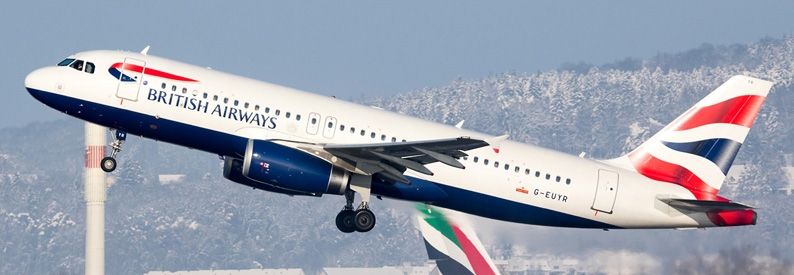
Air travel across parts of the Middle East is facing prolonged disruption as a major international airline has announced it will cancel several routes to the region “until later this year,” highlighting the continuing impact of escalating geopolitical tensions.
British Airways confirmed that it is suspending flights to a number of Middle Eastern destinations following heightened security concerns and airspace instability triggered by the recent military confrontation involving the United States, Israel, and Iran. The airline said the cancellations are part of precautionary safety measures as the situation in the region remains volatile.
Flights to several major cities including Amman, Bahrain, Doha, Dubai, and Tel Aviv have already been suspended, with many routes cancelled through the end of the month. However, the carrier’s service between the United Kingdom and Abu Dhabi will remain paused for a longer period, potentially lasting until later this year as the airline continues to assess operational risks.
The aviation disruptions follow a wave of military escalation in the region after U.S. and Israeli forces launched strikes on targets in Iran. The attacks were followed by retaliatory missile and drone activity, forcing several countries to temporarily close their airspace and raising concerns about the safety of civilian aviation routes.
The conflict has severely affected aviation corridors connecting Europe, Asia, and the Gulf, which normally rank among the busiest air routes in the world. Airports across the Middle East have experienced widespread cancellations and diversions as airlines seek to avoid potentially dangerous airspace.
Industry data shows that thousands of flights have already been cancelled since the crisis began, leaving large numbers of travelers stranded or forced to change travel plans. Several major global carriers have temporarily suspended or rerouted services to destinations in the Gulf and Israel as they monitor the evolving security environment.
Airlines say safety remains their top priority, and many are reviewing flight paths daily in coordination with aviation authorities and international regulators. Some carriers are choosing longer routes around restricted airspace, which can increase fuel costs and flight times.
Travel experts warn that the disruption could last for months if tensions continue, particularly if additional airspace restrictions or security threats emerge. Routes linking Europe with Asia often rely on Middle Eastern transit corridors, meaning prolonged closures could affect airline schedules far beyond the region.
Passengers planning to travel to or through the Middle East are being advised to monitor airline updates closely and prepare for schedule changes. With airlines continuing to evaluate security conditions, further flight cancellations and route adjustments remain possible in the coming weeks.