
Flying Air Taxi Nears Launch After California Tests

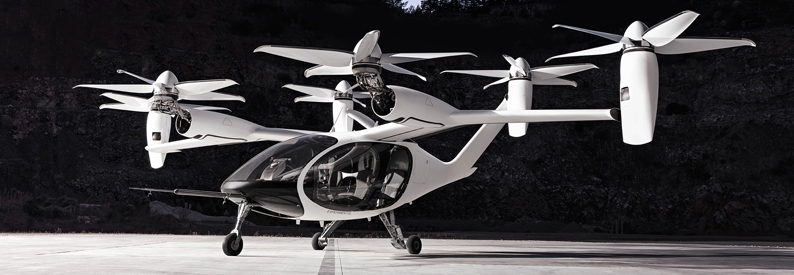
An experimental electric air taxi was spotted flying over California this week as developers move closer to launching commercial passenger services. Joby Aviation conducted a series of demonstration flights in the San Francisco Bay Area, drawing attention from reporters, industry observers, and technology enthusiasts eager to witness the future of urban air mobility.
The aircraft, designed for vertical takeoff and landing, represents a new generation of electric aviation aimed at reducing travel times in congested cities. During the demonstrations, Joby showcased the air taxi’s ability to take off like a helicopter, transition smoothly into forward flight, and land with minimal noise compared to traditional rotorcraft.
Company executives said the latest test flights mark an important milestone as the aircraft “nears readiness” for carrying paying passengers. The demonstrations were part of ongoing efforts to validate performance, safety systems, and operational procedures ahead of commercial rollout.
Joby’s air taxi is fully electric, producing zero in-flight emissions and significantly lower noise levels. The aircraft is designed to carry a pilot and up to four passengers, with a top speed of around 200 miles per hour and a range of roughly 100 miles. This makes it suitable for short regional trips, such as airport transfers and intercity travel.
The company is working closely with regulators, including the U.S. Federal Aviation Administration, to secure certification required for passenger operations. Achieving full regulatory approval remains one of the final hurdles before commercial service can begin, with safety standards for electric vertical takeoff and landing aircraft still evolving.
Industry analysts view urban air mobility as a potentially transformative sector, with multiple companies racing to bring air taxi services to market. Joby is among the frontrunners, alongside competitors such as Archer Aviation and Lilium, each developing their own aircraft and operational models.
The San Francisco demonstrations also highlight growing public interest in the technology. Spectators gathered to watch the flights, signaling increasing acceptance of low-altitude urban aviation as a future mode of transport.
Despite the progress, challenges remain. Infrastructure, including vertiports for takeoff and landing, must be developed, and air traffic management systems will need to adapt to accommodate new types of aircraft operating in urban environments.
Still, the successful test flights suggest that commercial air taxi services are moving closer to reality. As companies like Joby continue to refine their technology and work through regulatory requirements, the prospect of flying across cities in quiet, electric aircraft is becoming less futuristic and more imminent.
Related News: https://airguide.info/?s=joby, https://airguide.info/?s=FAA, https://airguide.info/category/air-travel-business/travel-health-security/
Sources: AirGuide Business airguide.info, bing.com, reuters.com