
China-Europe Airfares Surge Amid Middle East Disruptions

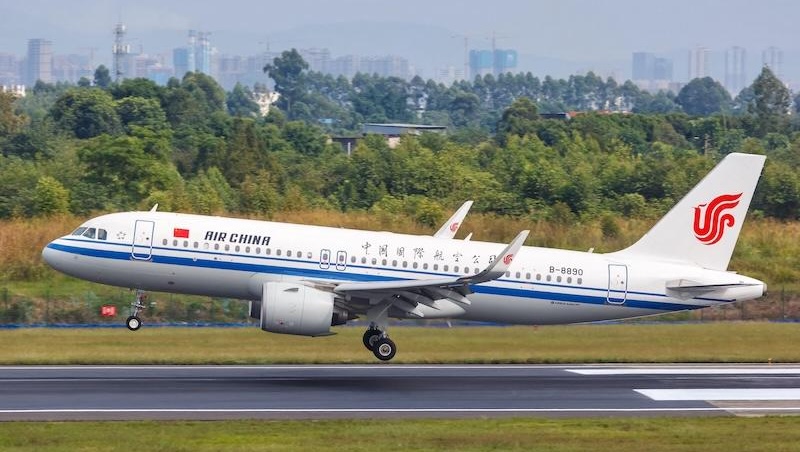
Airfares between China and Europe are surging sharply as Middle Eastern airspace disruptions compound existing capacity constraints already caused by the Russia–Ukraine conflict, creating a severe imbalance between supply and demand.
The immediate impact of the closures has been a significant rise in airline operating costs. Flights that once relied on efficient southern corridors are now forced to take longer, more congested alternative routes. In one example, Turkish Airlines flight TK209 from Singapore to Istanbul spent an additional 206 minutes in the air—nearly three and a half hours—resulting in more than 56 extra tonnes of carbon emissions for a single journey.
The situation has been worsened by widespread disruption across key Middle Eastern airspace, including Iran and the United Arab Emirates. Operational challenges at major hubs such as Dubai and Abu Dhabi have forced leading regional carriers—Emirates, Etihad Airways, and Qatar Airways—to suspend or cancel numerous flights. This has effectively crippled the “southern corridor,” previously a vital backup route linking China and Europe.
The timing of the disruption has intensified its impact. A convergence of post–Lunar New Year business travel, returning international students, and tourism demand—boosted by visa facilitation policies—has pushed already limited direct capacity to its limits. As a result, nonstop flights are in short supply, and fares have risen dramatically.
Economy class tickets from Shanghai to Paris, which typically cost around RMB 5,000 (approximately USD 725), have surged to more than RMB 30,000 (about USD 4,300) on certain dates. Direct flights are frequently sold out shortly after release, reflecting intense demand and constrained availability.
The current pricing environment marks a sharp reversal from just weeks earlier, when Middle Eastern carriers were actively discounting China–Europe routes. With those options now reduced or unavailable, travelers are facing significantly higher costs and fewer choices.
Beyond aviation, the disruption carries broader economic implications. The Strait of Hormuz remains a critical chokepoint for global energy supplies, handling a substantial share of the world’s seaborne crude oil. Any escalation affecting shipping routes could further increase fuel prices, adding additional pressure on airline costs and ticket pricing.
The combined effect of airspace instability, longer routing, and energy market volatility is creating a cascading impact across global aviation. Airlines face rising costs and operational complexity, while passengers encounter higher fares and limited availability.
As long as disruptions in the Middle East persist, the pressure on China–Europe air travel is expected to continue, reshaping route dynamics and pricing across one of the world’s most important long-haul corridors.
Related News: https://airguide.info/?s=china
Sources: AirGuide Business airguide.info, bing.com