
Airbus A320 Engine Shift: Leap and GTF Gain as CFM56 Declines

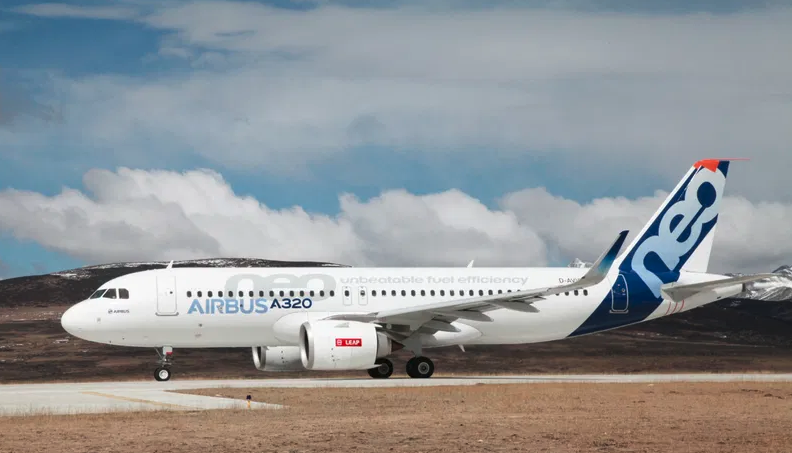
The Airbus A320 fleet is undergoing a clear transformation as airlines shift from legacy engines to next-generation propulsion systems, reflecting broader trends in efficiency, sustainability, and fleet modernization.
A comparison of February 2026 utilization data across multiple years provides a consistent benchmark for analyzing this transition. In February 2019, the global A320 fleet was still dominated by older engine types. Aircraft powered by the CFM International CFM56 accounted for more than 300,000 flights, representing just over 55% of total A320 utilization. The IAE V2500 followed with more than 175,000 flights, or slightly above 30%. At that time, next-generation engines, the CFM LEAP and Pratt & Whitney PW1000G geared turbofan (GTF), combined for roughly 70,000 flights, making up only about 13–15% of activity.
By February 2020, total A320 flights had declined slightly by around 10,000 as early signs of the COVID-19 slowdown emerged. However, the share of LEAP and GTF-powered aircraft rose to nearly 20%, highlighting the steady introduction of A320neo-family aircraft into airline fleets.
The most significant shift occurred post-pandemic. By February 2023, A320 flight activity had fully recovered, surpassing 2019 levels for the first time. Growth continued into 2024 before stabilizing into 2025 and early 2026. While total flight volumes have plateaued, the composition of the fleet has continued to evolve rapidly.
Legacy engines are steadily losing share. CFM56-powered aircraft declined from around 43% of flights in 2024 to approximately 42% in 2026, while V2500-powered aircraft fell from about 23% to 22% over the same period. These reductions reflect ongoing retirements of older A320ceo aircraft and accelerated fleet renewal programs across major airlines.
In contrast, next-generation engines are gaining ground. The CFM LEAP engine now powers more than 25% of all A320 flights globally, making it the fastest-growing engine type in the narrowbody segment. Its appeal lies in delivering around 15–20% lower fuel burn and CO₂ emissions compared to previous-generation engines, along with reduced maintenance costs.
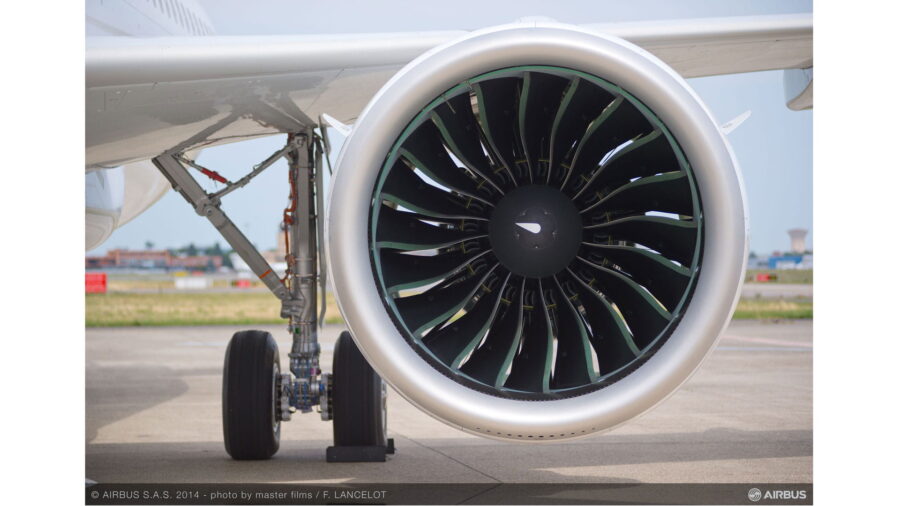
The Pratt & Whitney GTF currently accounts for less than 10% of A320 utilization. While the engine offers comparable efficiency gains to the LEAP, its adoption has been slowed by durability and maintenance challenges affecting early production units. Ongoing fixes and fleet retrofits are expected to improve reliability, which could support stronger growth in GTF-powered operations in the coming years.
Overall, the shift in A320 engine utilization highlights a broader industry transition toward more efficient and sustainable aircraft. While legacy engines such as the CFM56 and V2500 remain a significant part of the global fleet, their role is steadily diminishing. The continued rise of LEAP-powered aircraft and the anticipated recovery of the GTF platform signal the next phase in narrowbody fleet evolution, as airlines prioritize performance, cost efficiency, and environmental impact.
Related News: https://airguide.info/?s=A320, https://airguide.info/category/air-travel-business/airline-finance/
Sources: AirGuide Business airguide.info, bing.com, aviationweek.com, airbus.com