
Qatar Airways Moves Widebodies to Spain Amid Gulf Crisis

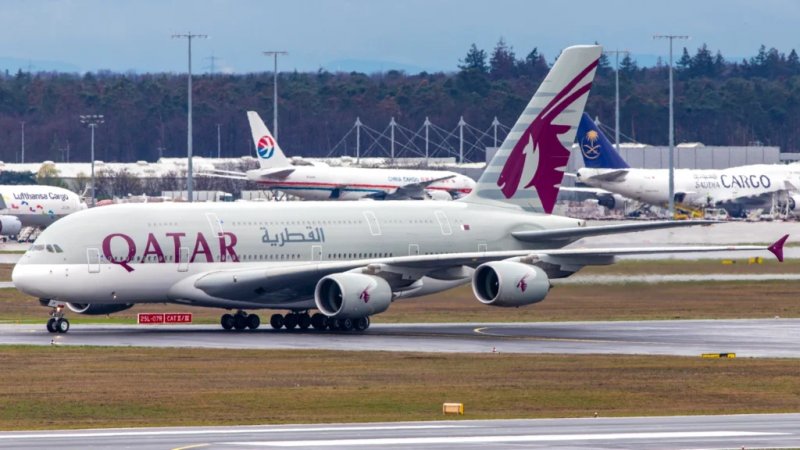
Qatar Airways has relocated a significant portion of its widebody fleet to Spain as ongoing disruption across Middle Eastern airspace forces airlines to adjust operations and reduce capacity.
The carrier has moved around 20 long-haul aircraft to Teruel Airport in Spain, a facility widely used for aircraft storage, maintenance, and preservation. The move signals preparations for a potentially prolonged period of reduced flying as regional instability continues to impact one of the world’s busiest aviation corridors.
According to flight tracking data from FlightAware, five additional aircraft were repositioned to Teruel over the weekend, adding to a growing number of parked jets at the site. The stored aircraft include Airbus A380s, Airbus A350s, and Boeing 787s, key widebody types typically deployed on long-haul routes through Doha.
These aircraft play a central role in Qatar Airways’ hub-and-spoke model, carrying passengers through Doha Hamad International Airport for onward connections between Europe, Asia, and Africa. With large portions of regional airspace affected, the airline has been forced to scale back operations and operate a reduced network.
Qatar Airways confirmed the move, describing it as a temporary operational adjustment. The airline said it has positioned some aircraft at selected airports outside Qatar due to the current situation and disruption to flight operations, adding that the aircraft will return to service once conditions stabilize.
Live Tracker: Airport and Flight Delays Today – Iran War
The decision reflects broader industry trends, as airlines across the region respond to ongoing geopolitical tensions and airspace restrictions linked to the conflict involving Iran. Carriers are increasingly parking aircraft, suspending routes, or rerouting flights to avoid affected areas, leading to longer flight times and higher operating costs.
Teruel Airport has emerged as a key storage hub during periods of industry disruption, previously housing hundreds of aircraft during the COVID-19 pandemic. Its dry climate and specialized infrastructure make it ideal for long-term aircraft preservation.
While Qatar Airways continues to operate a significant portion of its network, the relocation of widebody aircraft highlights the scale of the current disruption and the uncertainty facing airlines operating in and around the Middle East.
The timing and duration of the aircraft storage will depend on how quickly regional airspace stabilizes. Until then, airlines are expected to maintain flexible capacity strategies as they navigate one of the most volatile periods for global aviation in recent years.
Related News: https://airguide.info/?s=qatar
Sources: AirGuide Business airguide.info, bing.com, aa.com.tr