
Nvidia Challenges Tesla Case as Self-Driving Tech Evolves

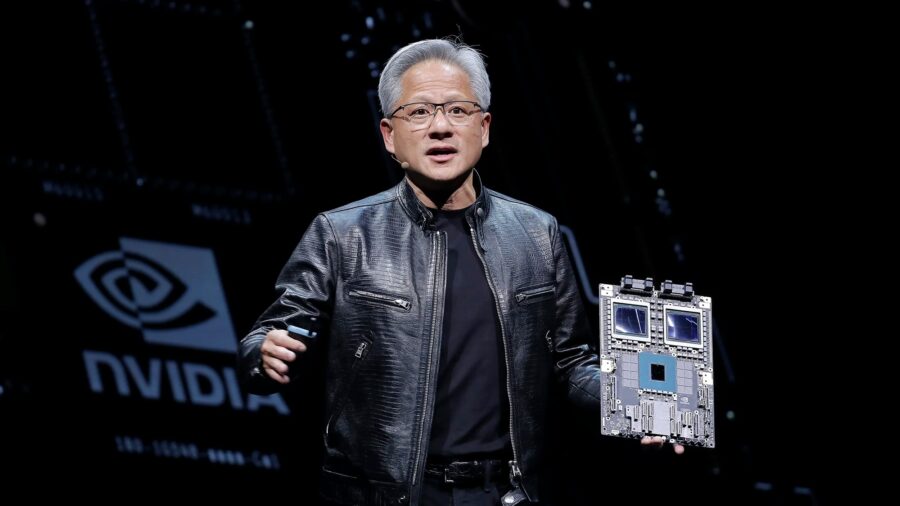
Nvidia’s latest advances in autonomous driving technology are raising new questions about Tesla’s long-term investment case, particularly as self-driving systems become increasingly commoditized across the automotive industry. The shift suggests that what was once seen as a unique competitive advantage for Tesla may be narrowing as rivals adopt similar capabilities powered by third-party platforms.
At the center of this debate is the growing availability of high-performance AI chips and software platforms that enable automakers to develop advanced driver-assistance and autonomous features without building everything in-house. Nvidia, a dominant force in AI hardware, has been expanding its automotive offerings, providing end-to-end solutions that include processing power, simulation tools, and software frameworks for self-driving systems.
This approach allows traditional automakers and new entrants alike to accelerate their autonomous driving programs, reducing reliance on proprietary systems. As a result, the technology that once differentiated Tesla—its vertically integrated Full Self-Driving (FSD) platform—faces increasing competition from standardized, scalable solutions available to the broader market.
For investors, this trend could have significant implications. Tesla’s valuation has long been supported by expectations that it would lead the autonomous driving revolution and monetize its technology through software subscriptions and robotaxi services. However, if self-driving capabilities become more widely accessible and less differentiated, the premium placed on Tesla’s technology advantage may come under pressure.
Nvidia’s role in this shift is particularly notable. By supplying powerful AI chips and development ecosystems to multiple automakers, the company is effectively enabling a more level playing field in autonomous driving. This could accelerate industry-wide adoption while simultaneously eroding the exclusivity of any single player’s technology.
That said, Tesla still maintains key strengths, including vast amounts of real-world driving data, a large installed base of vehicles, and tight integration between hardware and software. These factors continue to support its position as a leading innovator in the space, even as competition intensifies.
The broader takeaway is that the autonomous driving market is entering a new phase, where collaboration, shared platforms, and rapid technological diffusion are becoming the norm. For consumers, this could mean faster access to safer and more capable driving systems. For investors, however, it introduces new uncertainties about which companies will ultimately capture the most value.
As Nvidia and others continue to push the boundaries of AI-driven mobility, the competitive landscape is shifting, challenging long-held assumptions about leadership in the race toward fully autonomous vehicles.