
United to Cut Capacity as Fuel Costs Surge

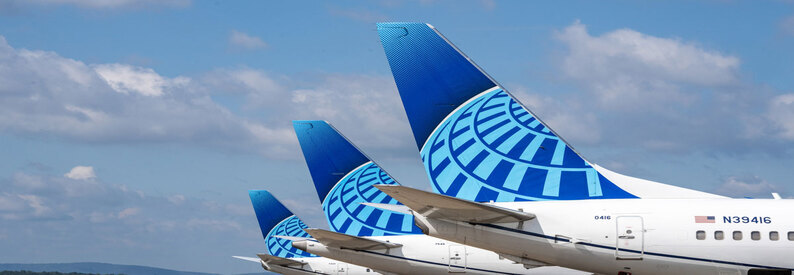
United Airlines plans to reduce near-term capacity by up to five percentage points as it responds to sharply higher fuel prices linked to ongoing tensions in the Middle East, according to comments from chief executive Scott Kirby.
In a message to employees, Kirby said the airline’s current planning assumes jet fuel prices will remain elevated at around $175 per barrel for the rest of the year, with levels staying above $100 through the end of 2027. At those levels, United would face an additional $11 billion in annual fuel expenses—more than double the company’s best-ever annual profit, which was under $5 billion.
To mitigate the impact, United is adjusting its network by trimming less profitable flying. This includes reducing red-eye services during the second and third quarters, as well as scaling back capacity in certain markets. At Chicago O’Hare, one of United’s key hubs, capacity will be reduced by about one percentage point as the airline navigates competitive pressures, including an ongoing market share dispute with American Airlines.
Despite these cost challenges, United says demand remains strong in the near term. Kirby described current booking trends as “the strongest we’ve ever seen,” suggesting that the airline is still benefiting from resilient travel demand even as operating costs rise. The company also plans to continue taking delivery of new aircraft as scheduled, signaling confidence in its longer-term growth strategy.
United expects these capacity adjustments to be temporary, with plans to restore a fuller schedule by the autumn if conditions stabilize. The approach reflects a broader industry strategy of managing supply more tightly during periods of cost volatility while preserving the ability to ramp up operations when conditions improve.
Other major U.S. carriers are facing similar pressures. Airline executives speaking at a recent investor conference warned that rising fuel prices are expected to significantly impact quarterly earnings. Both American Airlines and Delta Air Lines indicated that fuel costs could increase by roughly $400 million in the current quarter alone.
As airlines navigate a complex environment of strong demand and rising costs, capacity discipline is emerging as a key tool to protect margins. United’s move highlights the delicate balance carriers must strike between maintaining growth and managing financial risk in an uncertain global landscape.
Related News: https://airguide.info/category/air-travel-business/airline-finance/
Sources: AirGuide Business airguide.info, bing.com, ch-aviation.com