
Europe’s EASA Warns Stolen Engine Parts May Re-Enter Supply Chain

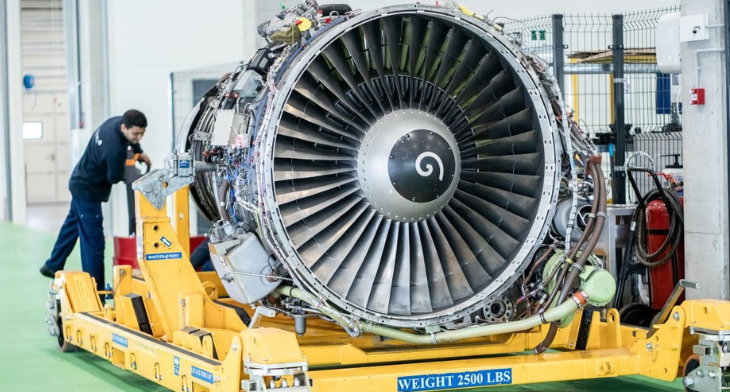
The European Union Aviation Safety Agency (EASA) has issued an urgent safety warning after 625 non-airworthy turbofan engine parts were stolen in Spain and could potentially re-enter the global aviation supply chain.
According to EASA, the components were part of a shipment scheduled for “mutilation”—a process that permanently destroys time-expired or unsafe parts to prevent reuse. However, in late January 2026, the shipment was fraudulently diverted after a third party impersonated the authorized disposal provider.
The alert, published on March 26 under reference OC-EASA-2026002221, followed a report from Spain’s aviation authority earlier in the month. The shipment consisted of 12 containers, including three that contained critical and life-limited parts that had not yet been destroyed.
EASA warned that these components could now be circulating in the aftermarket and urged airlines, maintenance organizations, and parts distributors to inspect their inventories and records against the published serial numbers.
The affected parts span several widely used engine families, including the CFM56 engine, IAE V2500 engine, Pratt & Whitney PW1100G, and Rolls-Royce RB211. These engines power some of the world’s most common commercial aircraft, including Airbus A320 family jets, Boeing 737NGs, and Boeing 757s.
The stolen items include critical components such as bearings, seals, turbine blades, and disks—many of which are classified as life-limited parts that must be removed from service after a defined number of cycles.
While EASA has not confirmed that any of the parts have been installed on active aircraft, the agency’s detailed advisory indicates a significant concern that compromised components could reappear in the supply chain.
The warning comes amid heightened scrutiny of aviation parts traceability following the 2023 AOG Technics scandal, which exposed vulnerabilities in documentation and verification processes. That case led to inspections of more than 100 engines worldwide after falsified paperwork was discovered.
Major airlines, including Delta Air Lines, American Airlines, Southwest Airlines, Ryanair, and WestJet, were affected by that earlier incident, highlighting the global scale of supply chain risks.
EASA’s latest alert underscores the importance of strict traceability, certification, and oversight in the aviation parts market, particularly as demand for spare components remains high amid ongoing fleet expansion and maintenance cycles.
Regulators are urging all stakeholders to remain vigilant, warning that even a small number of compromised parts entering service could pose serious safety risks across the global aviation industry.
Related News: https://airguide.info/?s=engine, https://airguide.info/?s=EASA, https://airguide.info/category/air-travel-business/travel-health-security/
Sources: AirGuide Business airguide.info, bing.com