
US Rescues Second F‑15E Crew Member in Iran Operation; Inside the Survival, Evasion, Resistance and Escape (SERE) Protocols

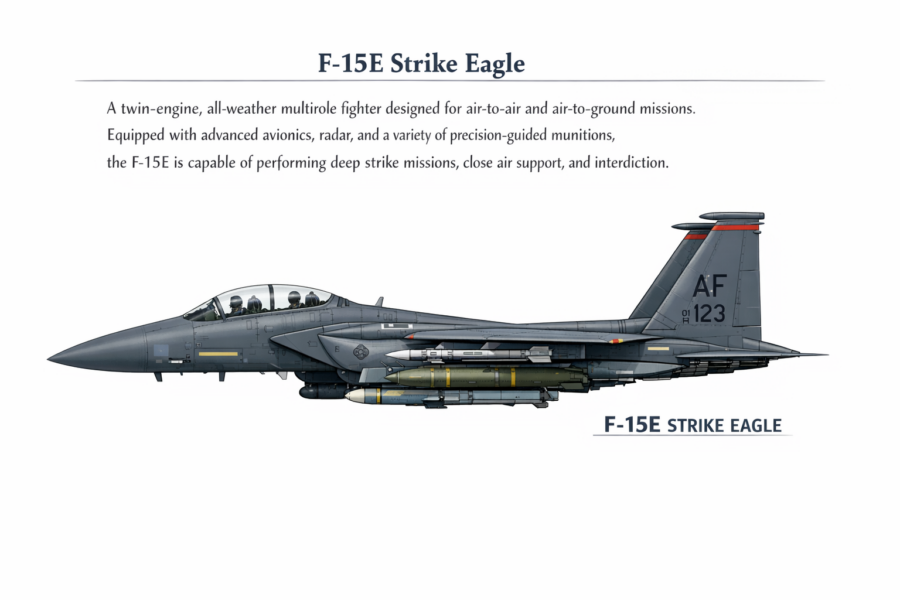
A second crew member from a downed F-15E Strike Eagle has been successfully rescued from Iranian territory following a high-risk, multi-aircraft operation, marking a dramatic escalation in the ongoing conflict and one of the most complex combat search-and-rescue missions in recent years.
According to U.S. officials, the officer, identified as a weapons systems officer, survived for more than 24 hours behind enemy lines before being extracted by forces from the United States Air Force. The rescue involved dozens of aircraft and was described as one of the most daring operations conducted during the current conflict.
The F-15E was shot down over western Iran on April 3 while conducting a low-altitude mission, becoming the first confirmed loss of a crewed U.S. aircraft in hostile territory since the conflict began. The jet, assigned to the 494th Fighter Squadron, was reportedly hit by Iranian air defenses, forcing both crew members to eject.
The pilot had been rescued shortly after the shootdown, but the second crew member remained missing, prompting an intensive search effort across rugged terrain. U.S. military assets, including helicopters and close air support aircraft, were deployed to locate and recover the airman under active threat conditions.
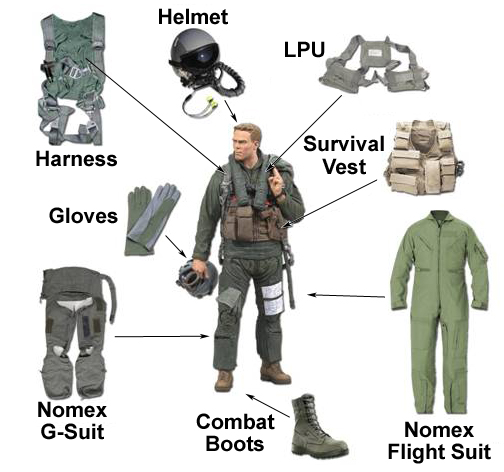
When a United States Air Force pilot ejects over hostile territory, they follow highly structured Survival, Evasion, Resistance, and Escape (SERE) protocols designed to keep them alive and avoid capture until rescue forces arrive.
Immediately After Ejection
- The pilot stabilizes under the parachute and assesses the landing area (terrain, threats, visibility).
- Upon landing, they quickly move away from the parachute, which is highly visible.
- They check for injuries and activate survival gear.
Survival & Evasion Phase
Pilots are trained to:
- Hide immediately using terrain, vegetation, or structures.
- Avoid roads, populated areas, and predictable movement patterns.
- Move mostly at night and remain concealed during the day.
- Use camouflage and minimize heat/signature visibility.
They carry survival kits that may include:
- Encrypted radios (e.g., PRC-112)
- GPS / locator beacons
- Water, rations, medical supplies
- Signal devices (flares, strobes, mirrors)
Communicating With Rescue Forces
- Pilots attempt secure communication with friendly forces using coded signals.
- They may activate a locator beacon briefly to avoid detection.
- Authentication codes are used to confirm identity before rescue.
Waiting for Combat Search and Rescue (CSAR)
- The pilot stays hidden while rescue forces (helicopters, escorts like A-10 Thunderbolt II) secure the area.
- Timing is critical, rescue may occur within hours or take days depending on conditions.
- The pilot may be instructed to move to a pickup zone or remain in place.
If Encountered by Enemy Forces
- Pilots are trained in resistance techniques (last phase of SERE).
- Their priority is to avoid capture, but if captured, they follow strict conduct rules under the military code.
- The goal is simple: stay alive, stay hidden, stay connected.
- Modern rescues often involve multiple aircraft, drones, and intelligence assets, especially in high-threat environments like Iran.
The rescue mission faced significant resistance. At least three U.S. aircraft involved in the operation were hit by Iranian fire, including an A-10 Thunderbolt II, which was forced to continue flying until reaching safer airspace where the pilot ejected and was recovered. Two helicopters also sustained damage but managed to return safely to base.
Officials said the rescued officer sustained injuries but is expected to recover. The operation also reportedly benefited from intelligence support provided by allied forces in the region, highlighting the level of coordination required for such missions.
Combat search-and-rescue operations in hostile environments are among the most dangerous military undertakings, requiring precise coordination between air and ground units while operating under enemy fire. The successful recovery of both crew members underscores the priority placed on personnel recovery in modern military doctrine.
The incident highlights the growing intensity of the conflict and raises questions about air superiority in contested airspace, as advanced air defense systems continue to pose significant risks to even highly capable aircraft like the F-15E.
U.S. officials have not disclosed further operational details, citing mission security, but emphasized that both crew members are now accounted for following the complex rescue effort.
Related News: https://airguide.info/?s=iran+war, https://airguide.info/?s=F-15
Sources: AirGuide Business airguide.info, bing.com