
Pilots Must Have Final Say on Conflict Zone Flights: IFALPA

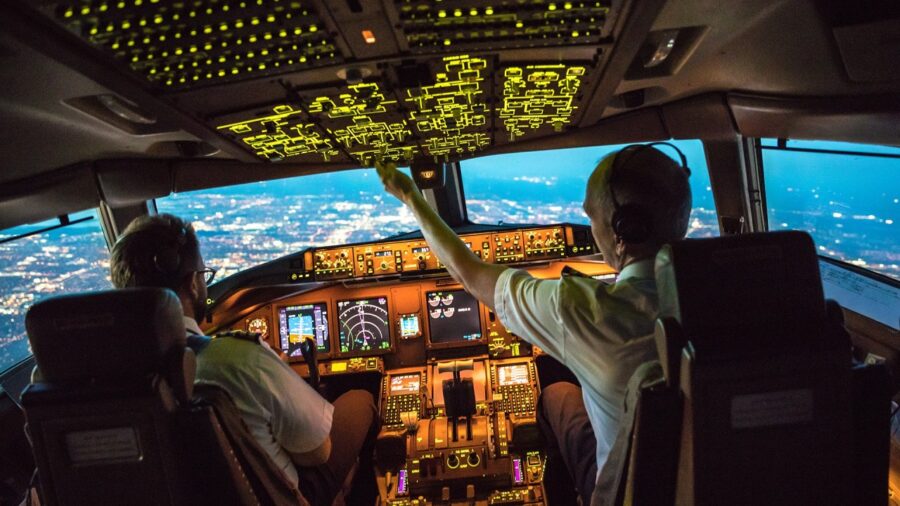
Pilots must have a “final and non-negotiable” authority to refuse flights over conflict zones, according to a new position paper from the International Federation of Air Line Pilots’ Associations, as escalating tensions in the Middle East continue to disrupt global aviation.
The guidance comes as the ongoing Iran war enters its sixth week, reshaping airspace across the region and exposing commercial flights to heightened risks from missile and drone activity. IFALPA warned that operating in or near conflict zones places significant physical, mental, and operational strain on flight crews.
“The Commander’s decision regarding the conduct or rerouting of a flight, including refusal to overfly a conflict zone, must be final and non-negotiable,” the organization stated. It emphasized that such decisions must remain free from commercial pressures, financial incentives, or career-related consequences.
Despite widespread disruptions, major Gulf carriers continue to operate hundreds of flights daily within constrained airspace. Emirates is currently flying at roughly 69% of its normal capacity, while Qatar Airways remains more limited at around 26%, according to FlightAware data. These operations rely heavily on designated “safe corridors” established by regional aviation authorities.
However, even within these corridors, flights have faced operational challenges, including holding patterns during active threats, last-minute diversions, and temporary airspace closures. Airlines say safety remains their top priority, with Qatar Airways noting that all flights are coordinated closely with the Qatar Civil Aviation Authority to ensure secure routing.
IFALPA also called on airlines to strengthen support systems for pilots operating under these conditions. Recommendations include additional rest periods, enhanced fatigue management, and confidential psychological support. The group warned that repeated exposure to high-risk operations should be factored into scheduling and crew planning, rather than treated as isolated events.
Separately, the International Civil Aviation Organization (ICAO) formally condemned Iran’s use of drones and other military actions impacting civilian airspace across the Gulf, warning that such activity poses a direct threat to international aviation safety. The agency highlighted increasing incidents involving missile launches, drone interceptions, and unauthorized airspace incursions affecting countries including the UAE, Qatar, and Saudi Arabia—key hubs for global east–west traffic flows.
The developments underscore escalating concerns across the aviation industry as conflict-driven disruptions push more aircraft into narrower, congested corridors, increasing operational complexity and risk. Airlines are being forced to balance safety, fuel efficiency, and schedule reliability while navigating rapidly changing airspace restrictions. As geopolitical tensions persist, the challenge of maintaining global connectivity without compromising crew and passenger safety is becoming more acute, raising the likelihood of further route adjustments, capacity reductions, and regulatory intervention in high-risk regions.
Related News: https://airguide.info/?s=ICAO, https://airguide.info/category/air-travel-business/travel-health-security/
Sources: AirGuide Business airguide.info, bing.com, reuters.com